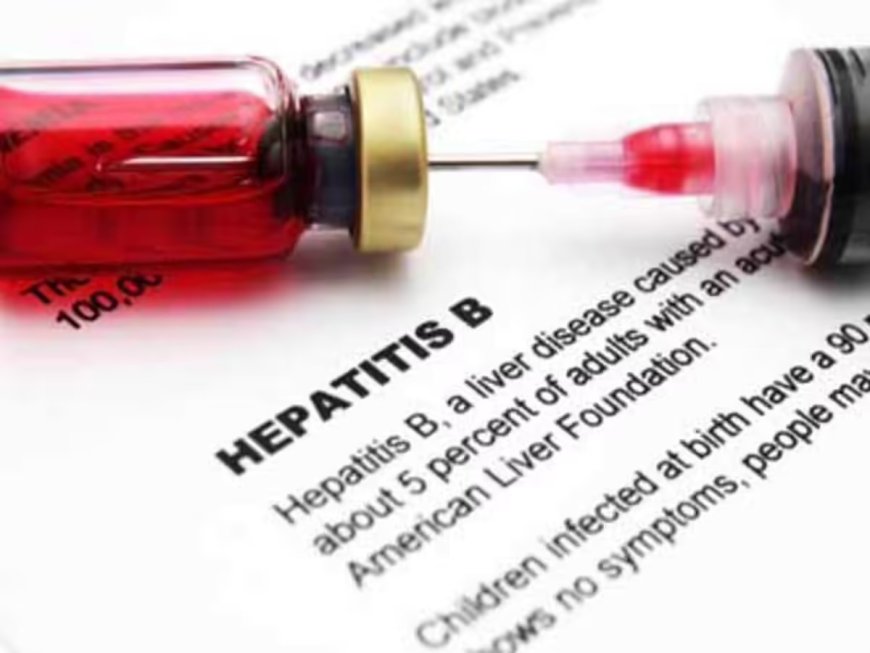














Hepatitis B Testing for People Without Symptoms
Learn why hepatitis B testing can be important without symptoms, who may consider screening, how testing works, and why early awareness matters.

Hepatitis B can sometimes exist without obvious signs, allowing an infection to remain unnoticed for a considerable period. A person may feel healthy while still having an infection that requires medical evaluation. This is why testing can be relevant even when there are no symptoms. A Hepatitis B Test in Dubai can provide useful information about a person's hepatitis B status and help healthcare professionals determine whether further evaluation is needed.
Can Hepatitis B Occur Without Symptoms?
Yes. Hepatitis B does not always cause noticeable symptoms. Some people may experience symptoms during an acute infection, while others may have few or no obvious changes in their health.
When symptoms are absent, it can be difficult to know whether exposure to the hepatitis B virus has occurred. Testing provides a way to investigate infection through laboratory analysis rather than relying solely on how a person feels.
This is particularly relevant because chronic hepatitis B can also remain unnoticed for years in some individuals. Regular medical evaluation and appropriate screening can therefore be important for people with relevant risk factors.
Why Testing Without Symptoms Can Matter
Waiting for symptoms before considering hepatitis B testing may not be appropriate for everyone. Symptoms such as fatigue, nausea, abdominal discomfort, dark urine, or yellowing of the skin can occur with hepatitis B, but they are not present in every case.
Testing can identify specific markers associated with hepatitis B infection, previous exposure, or immunity. This can give a healthcare professional more information than symptoms alone can provide.
The decision to test should be based on individual circumstances rather than simply whether symptoms are present.
Who May Consider Hepatitis B Screening?
Different people may have different reasons for discussing hepatitis B screening with a healthcare professional. Someone who has experienced a possible exposure to infected blood or body fluids may be advised to consider testing.
Sexual exposure can also be relevant because hepatitis B can be transmitted through sexual contact. People with certain medical circumstances or other factors associated with increased exposure may also be advised to discuss screening.
A healthcare professional can review the individual's circumstances and determine whether testing is appropriate.
Testing After a Possible Exposure
A person may feel completely healthy after a possible exposure to hepatitis B. The absence of symptoms does not necessarily provide enough information to rule out infection.
If you believe you have been exposed, it is important to discuss the situation with a healthcare professional. They can consider when the exposure occurred and whether you have previous immunity from vaccination or past infection.
Testing may be performed at an appropriate time, and follow-up testing may sometimes be recommended depending on the circumstances.
The Importance of Timing
The timing of hepatitis B testing can affect the information provided by the test. Certain infection markers may not become detectable immediately after exposure.
For this reason, a test performed very soon after a possible exposure may not always provide a complete picture. A healthcare professional can recommend an appropriate testing schedule based on the exposure date and other relevant factors.
This is one reason professional guidance is valuable even when the person has no symptoms.
What Does a Hepatitis B Test Check?
Hepatitis B testing generally involves blood tests that examine specific markers. Different markers can provide different information about infection and immunity.
For example, hepatitis B surface antigen, or HBsAg, is commonly used to identify current infection. Other markers can help indicate previous exposure or immunity.
Because several markers may be considered together, interpreting hepatitis B results can be more complicated than simply looking for a single positive or negative result.
Understanding Vaccination and Test Results
Vaccination against hepatitis B can provide protection and may result in detectable antibodies. These antibodies do not necessarily indicate that a person currently has hepatitis B.
When interpreting test results, healthcare professionals may consider whether a person has previously received the hepatitis B vaccine. If vaccination records are available, they can provide useful context.
If you are uncertain about your vaccination history, mention this during your appointment so the provider can take it into consideration.
How Testing Supports Health Awareness
Testing can give people information about their current health status and may help identify an infection that has not caused noticeable symptoms.
If infection is detected, a healthcare professional can determine whether additional evaluation or monitoring is appropriate. If the testing indicates immunity, the results may also help clarify a person's hepatitis B status.
The purpose of screening is not to assume that someone has an infection. Instead, it provides information that can support informed medical care.
Professional Hepatitis B Testing
Choosing professional testing can be useful because hepatitis B results may require interpretation alongside medical history and other test findings. A healthcare provider can explain which tests are appropriate and what the results may mean.
At Enfiled STD Clinic, people seeking a Hepatitis B Test in Dubai can discuss their concerns with healthcare professionals. This can be particularly helpful for individuals who have no symptoms but are concerned about a possible exposure or want to understand whether hepatitis B screening is appropriate.
A professional consultation can also help clarify questions about previous testing, vaccination, and possible follow-up.
Why Medical History Matters
Even when someone has no symptoms, their medical history can help determine whether testing is appropriate. A healthcare professional may ask about previous hepatitis B tests, vaccination, possible exposures, and other relevant health information.
The date of a possible exposure can be especially important because it may affect the timing of laboratory testing.
Providing accurate information allows the healthcare professional to make a more informed assessment and recommend testing that fits the situation.
What Happens During Testing?
Hepatitis B testing generally requires a blood sample. A trained healthcare professional collects the sample and sends it to a laboratory for analysis.
The blood collection itself is usually quick. You may experience a brief pinch or mild discomfort when the needle is inserted.
After the sample is collected, laboratory specialists analyze the requested markers. The time needed to receive results can vary depending on the testing facility and the tests ordered.
What If the Result Is Positive?
A positive hepatitis B marker should be interpreted by a healthcare professional. Different markers can indicate different things, including current infection or previous exposure.
A single result may not provide enough information to determine the complete hepatitis B status. Additional tests may sometimes be required.
If testing indicates possible current infection, a healthcare professional can explain the findings and discuss whether further medical evaluation or monitoring is appropriate.
What If the Result Is Negative?
A negative result means that the particular marker tested was not detected. However, the meaning of a negative result depends on the test performed and the timing.
For people with a recent possible exposure, follow-up testing may sometimes be advised. This is because some markers may not be detectable immediately after infection.
A healthcare provider can explain whether additional testing is necessary based on your circumstances.
Hepatitis B and Long-Term Liver Health
Hepatitis B primarily affects the liver. While some infections resolve naturally, chronic hepatitis B can require ongoing medical monitoring.
Identifying infection can help healthcare professionals determine whether additional assessment is needed. Depending on the situation, this may involve further laboratory tests or evaluation of liver health.
Not every person with hepatitis B develops serious liver problems, but knowing one's status can help support appropriate medical follow-up.
Why People Without Symptoms Should Not Ignore Risk Factors
Feeling healthy is generally a positive sign, but it cannot by itself determine whether hepatitis B infection is present. Some people may have no noticeable symptoms despite having detectable infection markers.
If you have a reason to believe you may have been exposed, discussing testing with a healthcare professional can provide a more reliable assessment than waiting for symptoms.
Screening decisions should be based on personal circumstances, medical guidance, and recognized risk factors.
Final Thoughts
Hepatitis B testing can be relevant even for people who feel completely healthy. Because the infection may occur without noticeable symptoms, laboratory testing can provide information that symptoms alone cannot.
A Hepatitis B Test in Dubai can help identify markers associated with current infection, previous exposure, or immunity. If you have concerns about possible exposure or your hepatitis B status, speaking with a qualified healthcare professional can help you understand whether testing is appropriate and how the results should be interpreted.
Tags:
What's Your Reaction?
Like
0
Dislike
0

Love
0

Funny
0

Angry
0

Sad
0

Wow
0
Related Posts
Best Hydrocele Remedies for Swelling and Discomfort
ROBERT HARBOUR Oct 22, 2026 0 2
Can Penile Filler treatment be customized?
arabicdynamic Oct 22, 2026 0 1
Middle East and Africa Life Reinsurance Market Forecast...
Preetimmr Oct 22, 2026 0 2