














Hepatitis C Antibody Test vs PCR Test Key Differences
Learn the key differences between the antibody and PCR tests in a Hepatitis C Test in Dubai, what each result shows, when each is used, and how they work together.

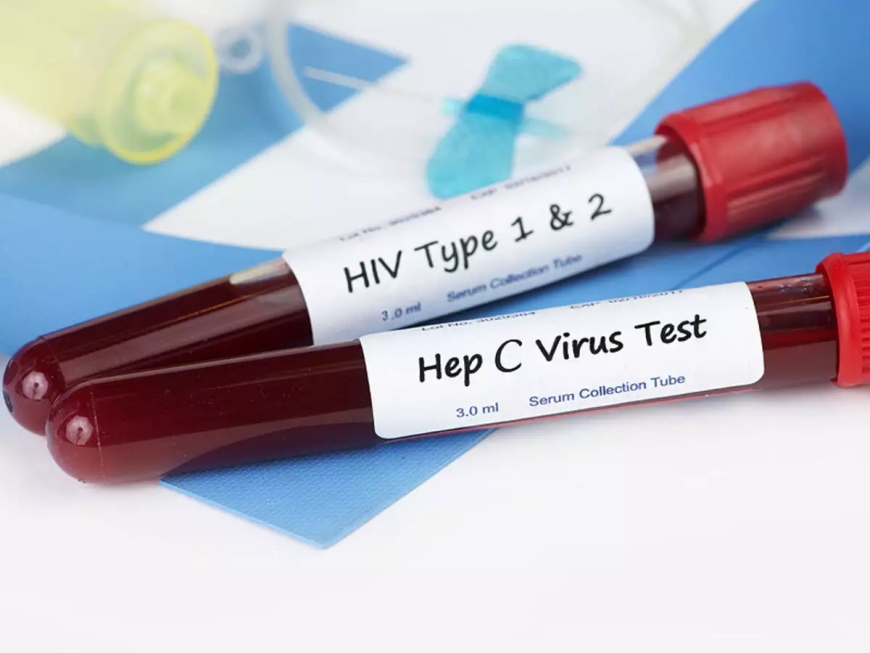
Many people are surprised to learn that one Hepatitis C Test in Dubai can actually involve two different blood tests. They are often ordered one after the other, and their names sound similar, yet each answers a different question. One shows whether your body has ever met the virus, and the other shows whether the virus is in your blood right now. Knowing the difference helps you read your report with confidence and avoid unnecessary worry. This guide explains how each test works, when doctors use them and how they fit together to give a complete answer.
What the Hepatitis C Antibody Test Shows
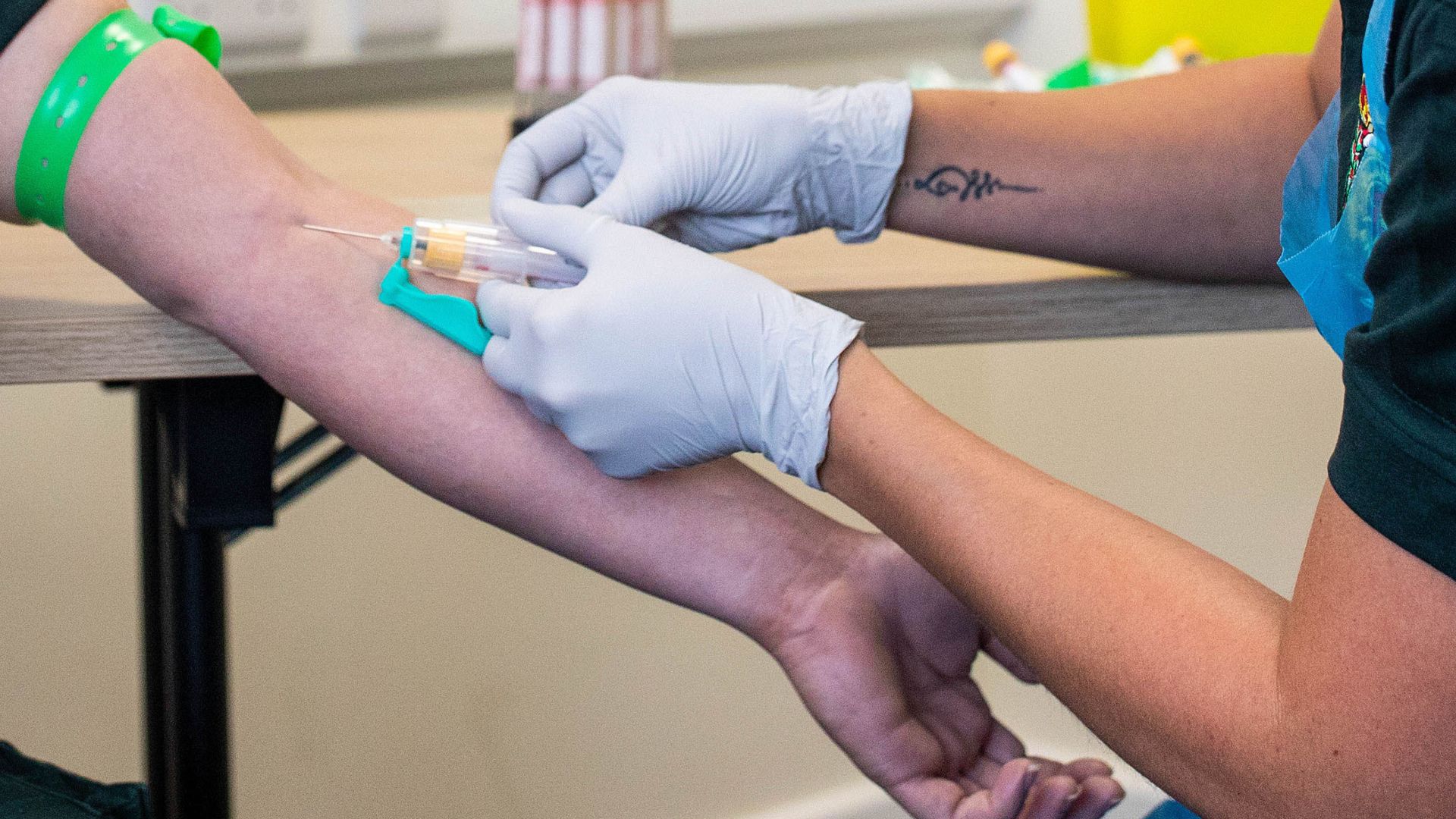
The antibody test is usually the first step in screening. Antibodies are proteins your immune system makes after it meets a virus, and they can stay in the blood for years. The laboratory looks for these proteins in a small blood sample taken from your arm.
A non-reactive result means no antibodies were found. For most people, that suggests no infection, as long as enough time has passed since any possible exposure. A reactive result means antibodies are present, so your body has met the virus at some point. The catch is that this test cannot tell whether the infection is still active. Roughly one in four people clear the virus naturally and still show antibodies for life, which is why a second test is needed.
What the Hepatitis C PCR Test Shows
The PCR test, also called an RNA test, looks for the genetic material of the virus itself. It does not depend on your immune response, so it answers the question the antibody test leaves open. A result of detected means the virus is present and the infection is active. A result of not detected means no virus was found, which usually indicates a past infection that has cleared.
When the virus is detected, the report often includes a viral load, which measures how much virus is in your blood. Doctors use this number as a starting point for treatment and as a way to confirm that treatment has worked later on. PCR tests are more advanced and usually cost more than antibody tests, which is why they are normally ordered only after a reactive screening result.
Enfield STD Clinic and Getting a Second Opinion on Your Tests
If you move between countries, you may want your reports reviewed in more than one place. A service such as Enfield STD Clinic can be useful for confidential screening and follow-up in the UK, while a licensed local provider explains your results here. Sharing both the antibody and PCR reports with the same doctor avoids repeated tests and gives a clearer picture over time. Always bring previous results to each appointment, because comparing them often reveals more than a single page can.
Timing: When Each Test Becomes Reliable
The two tests differ sharply in timing. Every infection has a window period, which is the time between exposure and the point when a test can reliably detect it. The antibody test usually becomes reliable about eight to twelve weeks after exposure, because the body needs time to produce enough antibodies. A test taken in the first few days may look normal even when infection is possible.
The PCR test can detect the virus much sooner, often within one to two weeks of exposure. This makes it useful after a recent, high-risk event, such as a needlestick injury, or when someone has symptoms of a new infection. A common plan is to run a PCR early for quick answers and an antibody test at around three months to confirm the final result.
When Doctors Choose One Test or Both
For routine screening, doctors usually begin with the antibody test, since it is simple, affordable and effective for most people. If it is non-reactive and there was no recent exposure, no further testing is normally needed. If it is reactive, the laboratory or doctor follows up with a PCR test to find out whether the infection is active.
Some clinics order both at once, particularly when a person has symptoms, abnormal liver enzymes or a known recent exposure. Others run the PCR automatically on the same sample after a reactive antibody result, which saves a second visit. Babies born to mothers with hepatitis C are usually checked with a PCR, because maternal antibodies can linger in the infant’s blood and confuse an antibody test.
Comparing the Two Tests Side by Side
The antibody test is a screening tool. It is quick, widely available and gives a yes or no answer about past contact with the virus. It cannot confirm that you are infected today, and it can stay reactive for life.
The PCR test is a confirmation tool. It detects active infection, measures viral load and helps monitor treatment. It is more specific but also more costly, and it may take a little longer to report. Used together, the two tests cover each other’s weaknesses, and doctors rely on the combination to make a firm diagnosis.
What Different Combinations of Results Mean
A non-reactive antibody result usually means no infection. A reactive antibody result with a detected PCR confirms an active infection that needs treatment. A reactive antibody result with a PCR that is not detected suggests a past infection that cleared on its own, although some doctors repeat the PCR after a few weeks to be sure.
If your result is unclear or does not match your history, your doctor may suggest repeating the test. Tell the clinician about any recent illness, medicines and the date of possible exposure, so the report is interpreted correctly.
What Happens After the Tests
If an active infection is confirmed, your doctor may order further tests such as liver enzymes, a genotype test and a liver scan to check for scarring. Treatment today is simple and highly effective. Direct-acting antiviral tablets, usually taken for eight to twelve weeks, cure more than 95 percent of people.
During treatment and while you wait for results, avoid alcohol, do not share razors or toothbrushes and let close contacts know so they can consider testing. A follow-up PCR a few months after finishing treatment confirms that the virus is gone.
Final Thoughts on Antibody and PCR Testing
The antibody test shows whether you have ever been exposed, and the PCR test shows whether the virus is active now. Neither is complete on its own, but together they give a clear and reliable answer. A hepatitis C test is quick, private and the only way to know your status for certain. Booking a Hepatitis C Test in Dubai with a licensed, confidential provider gives you accurate results and the guidance to act on them, with a high chance of cure if treatment is needed.
What's Your Reaction?
 Like
0
 Dislike
0
 Love
0
 Funny
0
 Angry
0
 Sad
0
 Wow
0