
















HIV Test Window Period When Is It Accurate?
Learn how window periods affect an HIV Test in Dubai, when antigen, antibody and PCR tests become reliable, why early results can mislead, and how to time your retest.

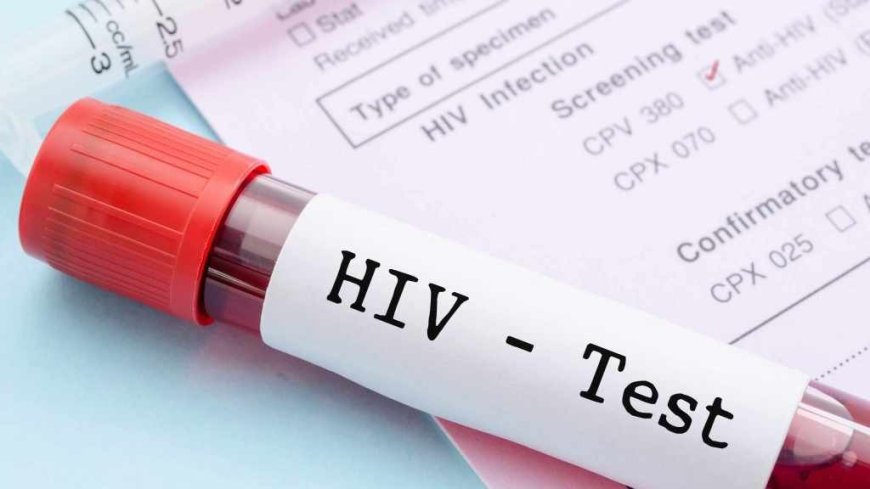
Testing the morning after a risky encounter feels like the responsible thing to do, but it is often too early for a reliable answer. Every infection needs time before a test can detect it, and that gap is called the window period. If you are planning an HIV Test in Dubai, understanding this timing helps you avoid false reassurance and unnecessary panic. A normal result taken too soon may not be final, while waiting too long can delay care. This guide explains what the window period is, how long it lasts for each type of test and how to plan your testing wisely.
What the Window Period Means for an HIV Test in Dubai
The window period is the time between exposure to HIV and the point when a test can reliably detect it. During this time, you may already be infected and able to pass the virus on, yet your result can still come back negative. The reason is that tests do not all look for the same thing. Some detect the virus itself, some detect a viral protein called the p24 antigen, and others detect the antibodies your immune system produces in response, which take weeks to build up.
This is why the type of test matters as much as the date. A modern laboratory method can shorten the window, but no test can detect something that has not yet reached a measurable level in your body. Knowing this helps you read a result in context and decide whether a repeat test is needed.
Why Testing Too Early Can Give False Reassurance
A normal result taken inside the window period only tells you that nothing was detectable on that day. It cannot rule out an infection that is still too new to measure. People who test within days of exposure and then stop worrying may unknowingly pass the virus to a partner during the following weeks, when the amount of virus in the blood is often very high.
A better habit is to treat an early negative as a baseline. It records your status at the time of the event, which is useful if a later result turns positive. Ask your doctor how long to wait for the test being offered, then book your follow-up at the recommended time so you get both early information and reliable confirmation.
Enfield STD Clinic and Repeat Testing Across Countries
Retesting at the right time is easy to forget, especially when you move between countries. A service such as Enfield STD clinic can be useful for confidential screening in the UK, while a licensed local clinic handles your needs here. Keep your first and second results together and share both with one trusted doctor. Comparing reports over time shows whether anything has changed and prevents repeated tests that you do not need. It also helps your doctor confirm that your final result was taken after the full window period had passed.
Window Periods for Each Type of HIV Test
Timing differs from one test to another, and the figures below are general guides that your doctor may adjust.
Nucleic Acid Tests
A nucleic acid test, often called an HIV PCR or RNA test, looks for the genetic material of the virus itself. It can usually detect infection from about 10 to 33 days after exposure, which makes it the earliest option. Because it is more specialised and costly, doctors use it mainly after a recent high-risk exposure or when someone has symptoms of early infection.
Fourth-Generation Laboratory Tests
A fourth-generation test checks for both antibodies and the p24 antigen from a blood sample taken from a vein. It can often detect infection from about 18 to 45 days after exposure, and it is the standard laboratory screening test in most clinics. A negative result at around 45 days is considered highly reliable for most people.
Rapid and Antibody Tests
Rapid finger-prick tests and antibody-only tests depend on your immune response, so they take longer to become reliable. Many people develop detectable antibodies within 23 to 90 days, and most do so by 12 weeks. A finger-prick test can take up to 90 days to give a fully dependable result, which is why a negative rapid test soon after exposure should be confirmed later.
A Simple Testing Timeline After Exposure
A practical plan has three stages. The first is an urgent medical consultation within 72 hours, which covers preventive medicine and a baseline test. The second is a first round of testing at around two to four weeks, using a fourth-generation or nucleic acid test for early information. The third is a final round at around 45 days to 12 weeks, which confirms the result after the full window has passed.
Your doctor may adjust this schedule depending on the type of contact, whether protection was used and whether you took post-exposure medicine. Writing the dates in your phone helps you avoid forgetting the final visit, which is the one that gives full certainty.
Urgent Steps in the First 72 Hours
If you may have been exposed to HIV within the last 72 hours, contact a doctor or emergency department immediately. Post-exposure prophylaxis is a short course of medicine that can greatly lower the chance of infection when it is started as quickly as possible. It works best within hours and is not recommended after 72 hours.
This step matters more than any test, because testing cannot prevent infection, while early treatment can. A doctor will assess the type of exposure, prescribe the medicine if it is appropriate and arrange follow-up tests, usually at around four to six weeks and again at about three months.
Special Situations That Change the Timing
Some circumstances shift the usual schedule. People taking post-exposure medicine or pre-exposure prophylaxis may have delayed antibody development, so doctors often schedule later final tests. If you have symptoms such as fever, rash, sore throat or swollen glands two to four weeks after exposure, tell the clinician, because a nucleic acid test may be chosen to detect early infection.
Certain medical conditions, including problems with the immune system, can also affect results, and your doctor will choose tests accordingly. Anyone with ongoing risk, such as a new partner or multiple partners, should test regularly instead of relying on a single result.
What to Do While You Wait Between Tests
The waiting period is easier when you protect yourself and others. Use condoms every time, or avoid sexual contact until your final result is clear, because HIV may be passed on even before it can be detected. Do not share needles or razors, and avoid donating blood.
Watch for symptoms and see a doctor promptly if they appear. If you were also exposed to other infections, such as syphilis, chlamydia or hepatitis, ask whether those tests have their own timing, since each infection has a different window.
Final Thoughts on the HIV Window Period
Window periods explain why a normal result is not always the end of the story. Nucleic acid tests detect infection earliest, fourth-generation tests are the standard laboratory choice and rapid antibody tests need the longest wait. Follow your doctor’s schedule, protect your partners while you wait and confirm your final result after the full window has passed. Booking an HIV Test in Dubai with a licensed, confidential provider gives you reliable answers and guidance on timing, and a well-timed hiv test is the surest way to know your status.
What's Your Reaction?
 Like
0
 Dislike
0
 Love
0
 Funny
0
 Angry
0
 Sad
0
 Wow
0