















HIV Testing How Long Do Results Take?
Find out how long HIV test results take, explore different screening methods, and learn what to expect when arranging HIV Testing in Dubai.

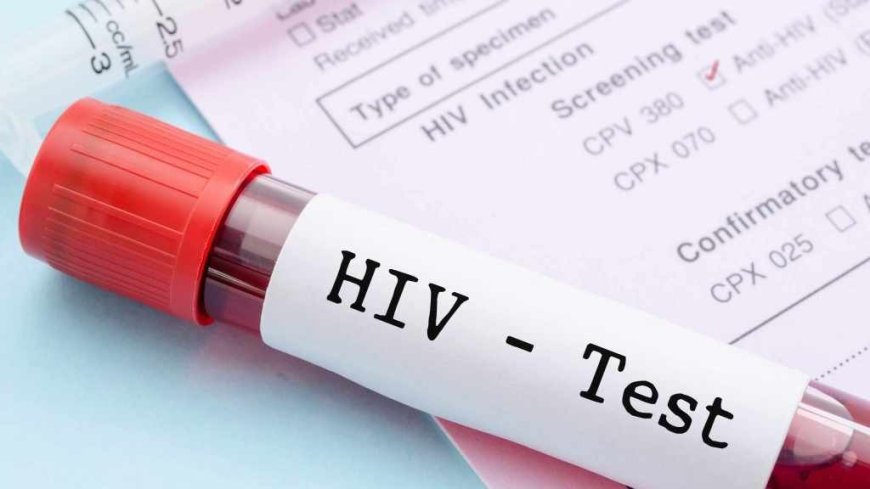
HIV Testing in Dubai helps individuals determine their HIV status and make informed decisions about their health. One common question people have before screening is how long they must wait for their results. The answer depends on the type of test performed, the testing facility, and whether additional laboratory analysis is required.
Understanding the available testing methods and their expected turnaround times can help you prepare for the process and know when to follow up with your healthcare provider.
How Long Do HIV Test Results Usually Take?
HIV test results may be available within minutes or may take several days, depending on the testing method.
Rapid HIV tests are designed to provide preliminary results quickly, often within approximately 20 to 30 minutes, although timing varies by test. Laboratory-based tests require a sample to be processed and analyzed, so results may take a few days depending on the facility.
If an initial screening result is reactive, additional testing is needed to establish a diagnosis. This can extend the overall time required to receive a confirmed result.
When arranging a test, ask the provider about the expected turnaround time and how the results will be communicated.
Different Types of HIV Tests and Their Turnaround Times
Rapid HIV Screening Tests
Rapid tests can provide preliminary results during the same appointment. They may use a finger-prick blood sample or oral fluid, depending on the approved test.
Although rapid testing offers convenience, a negative result may not exclude infection if the test is performed during its window period. Follow-up testing may be necessary after recent exposure.
Fourth-Generation Laboratory Tests
Fourth-generation HIV tests detect both HIV antibodies and the p24 antigen. These tests use a blood sample, usually collected from a vein, and are widely used for laboratory screening.
Results may be available within a few days, depending on the laboratory's workload and procedures. The provider can explain when to expect your report.
HIV RNA Tests
HIV RNA tests detect genetic material from the virus. They may be recommended when early infection is suspected or when specific clinical circumstances require further investigation.
Turnaround times vary by laboratory. These tests are not required for every routine screening appointment.
What Factors Can Delay HIV Test Results?
Several factors can affect how quickly results become available.
The laboratory's workload may influence processing time, particularly when samples need to be transported to another facility. The type of test requested also matters because some methods require more detailed analysis.
A reactive initial screening result may require confirmatory testing before a final diagnosis can be made. This is an important part of accurate testing rather than a reason to assume that infection is present.
Administrative procedures, weekends, and public holidays may also affect when a report is released.
Does a Faster HIV Test Mean Better Accuracy?
Not necessarily. The speed of a test and its ability to detect HIV are different considerations.
Rapid tests can provide convenient preliminary results, while laboratory-based fourth-generation tests can detect many infections earlier than antibody-only tests. The appropriate choice depends on the time since possible exposure, the test's detection window, and clinical circumstances.
A test performed too early may produce a negative result even when infection has occurred. Therefore, choosing the right testing time is just as important as choosing the testing method.
When Is the Right Time to Get Tested for HIV?
Different HIV tests have different window periods. A laboratory-based fourth-generation test using blood from a vein can generally detect HIV 18 to 45 days after exposure. Antibody-only tests can generally detect infection approximately 23 to 90 days after exposure.
A negative result obtained before the relevant window period has ended may need to be repeated. People who have taken PEP or PrEP should follow their healthcare professional's recommended testing schedule.
If a potential exposure occurred within the past 72 hours, seek urgent medical attention to discuss post-exposure prophylaxis (PEP). It should be started as soon as possible when indicated.
What Happens If an HIV Screening Result Is Reactive?
A reactive screening result requires additional testing. It does not automatically mean that a person has HIV.
Confirmatory testing helps establish whether infection is present. A healthcare professional can explain the next steps, arrange appropriate investigations, and discuss treatment if the diagnosis is confirmed.
Modern HIV treatment can suppress the virus and support long-term health. People who maintain an undetectable viral load do not transmit HIV through sexual activity, a principle known as Undetectable = Untransmittable (U=U).
How to Prepare for HIV Testing in Dubai
When arranging HIV Testing in Dubai, ask about the test method, expected reporting time, and whether follow-up testing might be necessary.
Most routine HIV blood tests do not require fasting, but you should follow any instructions from the testing provider. Share relevant information about possible exposure dates and any use of HIV prevention medication so that the healthcare professional can recommend the appropriate testing schedule.
Choose a qualified provider that explains confidentiality, reporting procedures, and follow-up care.
Conclusion
HIV test results can take minutes to several days, depending on the testing method and laboratory procedures. However, a quick result is not necessarily more accurate, and a test performed too early may require repetition. Understanding the test's window period and following professional advice can help you interpret results correctly. If you have concerns about possible HIV exposure, seek medical guidance promptly and ask about the most appropriate testing option.
What's Your Reaction?
 Like
0
 Dislike
0
 Love
0
 Funny
0
 Angry
0
 Sad
0
 Wow
0





