














Is Your Home’s Heating System Ready for Colorado Springs’ First Cold Snap?
Is your furnace ready? Learn what home heating services colorado springs homeowners should check before the first cold snap hits.

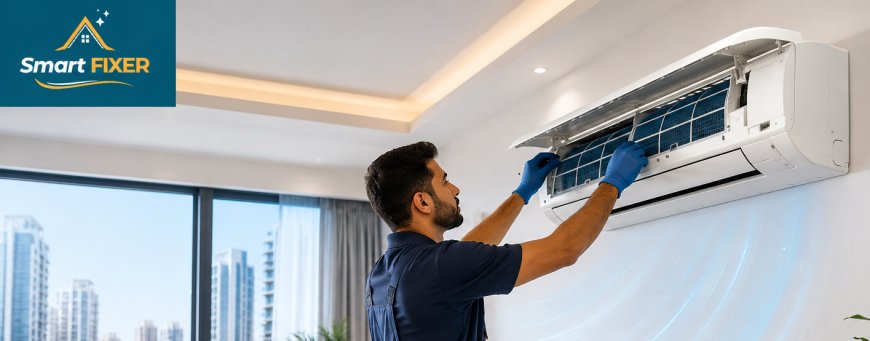
Nights are already dipping into the low 50s, and it won’t take much for that to turn into the first real cold snap. One morning you wake up, the house feels off, and you realize you haven’t touched the furnace since last March. That’s the moment most people find out something’s wrong.
You don’t want to be shopping around at that point. Lining up reliable home heating services colorado springs homeowners can count on while the weather’s still mild means you get a calm inspection instead of a frantic phone call. Everybody’s furnace decides to quit the same cold night, and the schedule fills up fast.
How Do You Know If Your Heating System Is Ready?
Turn the heat on now, before you need it. If warm air comes out within a few minutes, the thermostat responds, and there’s no burning smell, strange banging, or yellow flame, your system’s probably in decent shape. Any miss means schedule a check.
A little dusty smell the first hour is normal. That’s just summer dust burning off. If it hangs around longer than that, or you smell anything like gas, shut it off and call someone.
What Should a Pre-Winter Inspection Cover?
Here’s the list, roughly ranked by how much trouble each item causes when it’s skipped:
- Heat exchanger and combustion safety
- Ignition, burners, and controls
- Airflow and filter condition
- Ductwork leaks and blockages
- Thermostat accuracy
- Carbon monoxide detector testing
If your tech skips the heat exchanger, find another tech. A cracked one is how carbon monoxide gets into a house, and you can’t see or smell it.
The Full Checklist, Homes and Businesses
Most of this applies to houses, but plenty of readers run small commercial spaces too, so here’s the whole thing.
Boiler and Heat Exchanger Safety Checks. Pressure testing, combustion testing, and a close look for cracks or corrosion. This one’s about safety first, comfort second.
Full System Inspection. Electrical connections, motors, ignition, controls, thermostat response. Boring work that prevents most January breakdowns.
Ductwork and Zoning Inspection. Leaks and blockages steal heat before it reaches the room. If one bedroom’s always freezing, start here.
Rooftop Unit (RTU) Winterization. For commercial buildings with rooftop equipment, insulation, drainage, dampers, and controls all need checking before the freeze, since those units sit exposed all year.
Backup/Redundancy Planning. Know what you’ll do if the main system dies. A space heater won’t cut it for an office or a restaurant, and even at home it’s smart to know who you’d call at midnight.
Filter Replacement Across All Units. All of them. A clogged filter makes the furnace work harder and can trip the safety shutoff.
Why Does the First Cold Snap Break So Many Furnaces?
Furnaces sit idle for months, then get asked to run nonstop the first cold night. Weak igniters, worn motors, and dirty burners show themselves right then. It’s not bad luck, the system just hadn’t been tested since spring.
Altitude plays a part too. At 6,000 feet, combustion and airflow settings matter more, and a unit that’s slightly off might limp through mild weather then struggle once demand ramps up.
Should You Repair or Replace Before Winter?
If your furnace is under 12 years old and the repair is small, fix it. If it’s 15-plus years old, needs frequent repairs, or the quote reaches about half the cost of a new unit, replacement usually makes more sense, and doing it now beats doing it in a freeze.
This is where furnace installation colorado springs timing really matters. Fall is the easy window. Crews have openings, equipment’s in stock, and you pick the day. Wait until the first cold snap and you’re competing with everybody else whose furnace just died, usually at higher emergency pricing and with fewer equipment choices.
What About Ductless Heating?
Some homes, older ones, additions, converted garages, don’t have good ductwork. A ductless system can heat those spaces without tearing into walls. It’s worth asking about if one area never stays warm no matter what you do.
Simple Things You Can Do This Weekend
Swap the filter. Clear anything stacked around the furnace and vents. Test your carbon monoxide detectors. Walk the house and feel for drafts around doors and windows. None of it takes long, and it makes the furnace’s job easier.
FAQ: Getting Your Heating Ready
Q: What hvac services colorado springs homeowners should book before winter?
A furnace tune-up with a heat exchanger inspection, filter replacement, and thermostat testing. Add duct inspection if rooms heat unevenly. Book early, because the schedule fills quickly once temperatures drop.
Q: How do I pick an hvac contractor in colorado springs, co for furnace work?
Verify license and insurance, ask about altitude experience, and get a written estimate. Be wary of anyone who quotes a price over the phone without seeing the system.
Q: Do furnance vents commercial residential building layouts need different maintenance?
Commercial vent systems are bigger, with more zones and more filters, so blockages matter more. Residential vents need clear airflow and seasonal cleaning. Both lose efficiency fast when dust builds up inside.
Q: Are hvac companies in colorado all equipped for emergency heating calls?
No. Some offer true 24/7 response, others just take messages. Ask for their real response time now, not once your heat’s already out.
Wrapping It Up
The first cold snap shows up whether you’re ready or not. A quick inspection, a clean filter, and a straight answer about repair versus furnace installation colorado springs homeowners sometimes need take a lot less effort in September than in a freezing house in January. HVAC SOLUTIONS handles tune-ups, repairs, and emergency calls for homes and businesses. Call +1 (719) 548-8880 and get your system checked before the cold does it for you.
What's Your Reaction?
 Like
0
 Dislike
0
 Love
0
 Funny
0
 Angry
0
 Sad
0
 Wow
0