
















Home Inspector for Smarter Property Decisions
Having this information early can help property owners plan repairs, understand future maintenance needs, and make more informed decisions.

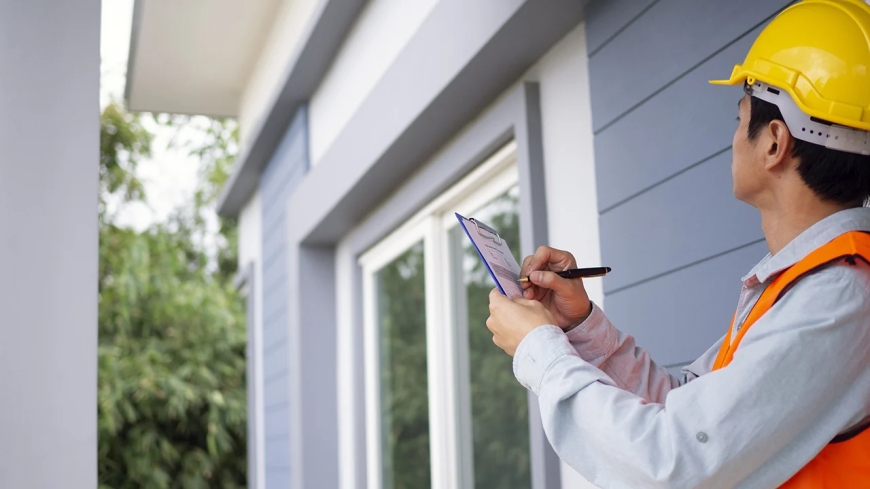
Buying or maintaining a property is a major decision, and knowing its actual condition can make that decision easier. A Home Inspector examines important areas of a property to identify visible concerns, maintenance needs, and possible defects. This process can help buyers understand what they are purchasing and help current owners keep their homes in better shape. An inspection may cover the roof, foundation, walls, plumbing, electrical components, heating and cooling systems, windows, doors, and other accessible areas. Instead of relying only on appearance, an inspection provides a closer look at the condition of the property. Having this information early can help property owners plan repairs, understand future maintenance needs, and make more informed decisions.
Examine the Exterior Before Bigger Problems Develop
The outside of a property can reveal many signs about its overall condition. A Home Inspector looks at accessible exterior components such as siding, exterior walls, doors, windows, drainage areas, decks, porches, and other visible structures. Cracks, damaged materials, poor drainage, moisture marks, or deterioration may indicate issues that deserve further attention. Small exterior concerns can sometimes become more expensive when they are ignored for long periods. An inspection can help identify these visible conditions before they develop into larger maintenance problems. The exterior also affects how water moves around the property, so proper grading and drainage are important areas to review. Understanding these conditions gives property owners a better idea of where maintenance may be needed.
Review the Roof and Attic Areas
The roof protects the property from rain, wind, heat, and other outdoor conditions, making it an important part of any inspection. A Home Inspector in Flushing NY can examine accessible roofing materials for visible damage, missing or deteriorated shingles, damaged flashing, signs of moisture, and other conditions. The attic can also provide useful information about ventilation, insulation, and possible water intrusion. Stains or damp areas may point toward roofing or moisture concerns that require additional evaluation. An inspection does not replace specialized roofing work, but it can help identify visible conditions that deserve attention. Knowing the general condition of these areas can help property owners plan maintenance and avoid allowing minor concerns to remain unnoticed.
Check Plumbing Fixtures and Water Systems
Plumbing problems can cause inconvenience and property damage when they are not addressed early. During an inspection, a Home Inspector may review accessible plumbing fixtures, visible supply lines, drains, faucets, toilets, and other components. Signs such as leaks, corrosion, water stains, low water pressure, or drainage problems can provide clues about the condition of the plumbing system. Moisture around sinks, bathrooms, kitchens, or utility areas should receive attention because continued exposure to water can damage surrounding materials. An inspection helps provide a general understanding of visible plumbing conditions. If a serious issue is discovered, further evaluation by a qualified plumbing specialist may be recommended to determine the cause and necessary repair.
Look Closely at Electrical Components
Electrical systems are another important part of property safety and function. A Home Inspector can review accessible electrical components, outlets, switches, panels, wiring, and other visible areas for conditions that may require attention. Problems such as damaged outlets, missing covers, exposed wiring, overloaded components, or outdated features may be identified during an inspection. Electrical concerns should never be ignored because even a small visible problem can point toward a larger system issue. An inspection provides useful information about the condition of accessible components without requiring unnecessary disruption to the property. When an issue requires detailed electrical testing or repair, an electrician may need to conduct additional work.
Evaluate Heating and Cooling Equipment
Comfort inside a property depends heavily on its heating and cooling systems. A Home Inspector can examine accessible portions of these systems and look for visible concerns, unusual conditions, damaged components, or signs that maintenance may be needed. The inspection may include heating equipment, air conditioning equipment, thermostats, vents, ductwork, and other accessible components. While a general inspection cannot replace specialized HVAC testing, it can reveal conditions that deserve further attention. Property owners can use this information to understand the general state of their equipment and prepare for future maintenance. Reviewing these systems before completing a property purchase can also help buyers anticipate potential repair or replacement costs.
Inspect Windows, Doors, Walls, and Floors
Interior areas can provide valuable clues about the condition of a property. A Home Inspector reviews accessible windows, doors, walls, ceilings, floors, stairs, and other visible structural and finish components. Cracks, sticking doors, damaged flooring, moisture stains, uneven surfaces, or deteriorated materials may indicate maintenance concerns. Windows and doors are also important for insulation, ventilation, security, and protection from outdoor conditions. An inspection can help identify areas that may need repair or closer examination. Some visible defects may be minor, while others could indicate a deeper issue. Understanding the difference can help property owners prioritize maintenance instead of treating every visible imperfection as a major structural concern.
Pay Attention to Moisture and Water Damage
Moisture is one of the most common concerns found around residential properties. A Home Inspector looks for visible signs of water intrusion, staining, damp materials, damaged surfaces, mold-like growth, and conditions that may contribute to moisture problems. Bathrooms, kitchens, basements, crawl spaces, attics, and areas around windows can deserve special attention because water can enter or collect in these locations. Finding signs of moisture early can help prevent further deterioration. However, visible moisture damage may have several possible causes, so additional testing or evaluation may sometimes be needed. Identifying these concerns gives property owners useful information for determining where repairs, maintenance, or further investigation may be necessary.
Understand Safety and Maintenance Concerns
A property can look clean and well maintained while still having areas that need attention. A Home Inspector can help identify visible safety concerns and maintenance issues that may otherwise be overlooked during a normal property visit. Handrails, stairs, doors, windows, electrical components, ventilation, and other accessible features may be reviewed for noticeable conditions. The goal is to provide a clearer understanding of the property's current condition rather than simply focusing on appearance. Inspection findings can help owners create a practical maintenance plan and decide which concerns should be addressed first. Regular attention to small issues can help reduce the chance of larger repair needs developing over time.
Make Better Decisions With a Property Inspection
A Home Inspector can provide valuable information before a property purchase or during routine property maintenance. An inspection helps bring attention to visible conditions that may affect comfort, safety, maintenance, or future repair planning. For buyers, this information can support a better understanding of the property before making a major financial decision. For existing owners, an inspection can highlight areas that may need attention and help organize future maintenance. No property is completely free from imperfections, but knowing what needs attention makes planning easier. A careful inspection gives property owners a clearer view of the home and helps them approach repairs and maintenance with better information.
What's Your Reaction?
 Like
0
 Dislike
0
 Love
0
 Funny
0
 Angry
0
 Sad
0
 Wow
0