














How Can Retail Workers Help Customers Choose Products?
Learn how retail workers can help customers choose the right products through active listening, useful guidance, and better customer service.

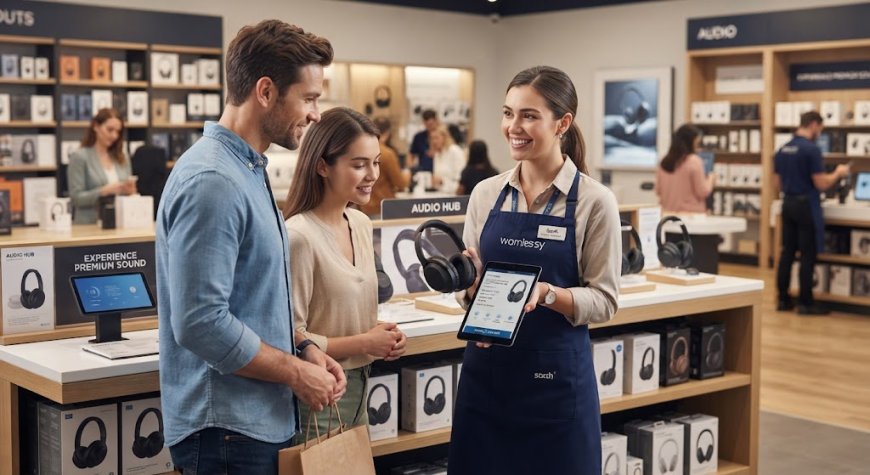
Shoppers walk into stores with questions and leave with answers only when staff listen well. Retail workers guide choices, save time and reduce returns. A short talk near a shelf can change a whole visit. This guide shows simple steps that store teams use to help buyers select the right products. Every method here works in small shops and large chains without extra cost. Good service starts with attention and ends with a happy buyer.
Why do shoppers need real help from store staff?
Most people enter a store with a rough idea and no clear plan. They see many brands and start guessing which one fits their needs. A worker who steps in early removes that guessing and saves minutes. Reports from retail groups show that shoppers spend more and return items less often. Silence pushes buyers toward phones and online reviews written by strangers. Staff answers feel faster and more personal than a long comment thread. Real help turns a confusing aisle into a simple decision. Shoppers remember that moment on their next visit.
How can staff learn what a shopper truly needs?
Listening beats talking during the first thirty seconds of any shopper conversation. Workers watch body language and notice which shelf a person keeps checking. A shopper holding two items clearly needs a quick and fair comparison. Staff should ask about use rather than budget at that first meeting. Someone buying paint for a kitchen needs different advice than an artist. Small clues like family size or job type shape better suggestions. Notes from these talks help staff serve repeat visitors faster next week.
Which simple questions guide shoppers toward better product choices?
Open questions work better than yes or no lines at a counter. Workers ask who will use this item and how often. They ask about past products that failed and reasons behind that failure. Answers reveal budget and quality level without any awkward money talk. Three good questions usually replace ten minutes of random product showing. Staff then bring two options instead of five confusing choices to a shopper. Fewer options reduce doubt and speed up a calm buying decision. Shoppers leave feeling guided rather than sold something.
How does honest advice beat pushy selling on the floor?
Pressure makes people walk away and buy from another shop later. Honest workers admit when a cheaper item fits a shopper better. That small act builds trust worth far more than one extra sale. Buyers return with friends after someone saved them money once. Staff should also mention limits of a product before payment happens. A raincoat rated for light showers cannot handle a heavy storm. Clear warnings cut returns and complaints during following weeks. Trust grows slowly and breaks fast so honesty must stay steady.
Why should staff know every product detail very well?
Product training turns average workers into helpful guides within a few weeks. Many stores across the USA run short weekly sessions on new arrivals. Staff test items themselves and learn real strengths instead of reading labels. A worker who used a blender explains noise level and cleaning steps. Shoppers trust that answer more than any printed spec sheet on a shelf. Knowledge also stops wrong promises that create angry calls later. Teams should share notes about common shopper questions after each shift.
How does a neat display help shoppers compare similar items?
Shoppers often form an opinion about a store within the first few seconds of entering. Shelves can make a strong first impression before staff even speak to a visitor. Teams at UPacked can arrange goods by their use so shoppers can find what they need quickly. Price tags should stay straight and easy to read from a normal distance. Similar items can be placed together, while higher-priced options can have clear labels. Staff can still help shoppers, but tidy shelves make their work easier. Empty spaces can show low stock, so workers can refill shelves before busy shopping hours.
Why does carrying comfort matter after shoppers decide something?
A purchase does not end when a shopper reaches a payment counter. Many buyers judge a shop by how safely their goods travel home. Store teams that offer Custom bags with wide handles make that trip easier for tired shoppers. Heavy jars need double layers while soft clothes need simple carriers. Staff should ask whether a shopper walks, drives or takes a bus. That one question prevents broken glass and ruined groceries near a sidewalk. Comfort during carrying shapes memories of a whole shopping trip.
How can staff explain price and value more clearly?
Price talk scares many shoppers so workers must keep it simple. A worker explains cost per use instead of one big number. Shoes at ninety dollars lasting three years beat thirty dollar shoes lasting months. Staff show warranty length and repair options during that same talk. Buyers then judge value with facts rather than guessing about quality. Workers should never mock a small budget or push credit offers. Respect during money talk keeps shoppers relaxed and ready to buy.
What role does presentation play in final buying decisions?
Presentation often decides a tie between two similar products on a shelf. Shops handing goods over in custom printed paper bags give buyers a strong reason to remember that store name. Staff can point out sturdy wrapping when a shopper worries about damage. Sealed items look safer to parents buying snacks for small children. Clean labels with clear dates answer half of their questions instantly. Workers should show storage advice printed on a pack before checkout. Neat presentation supports advice given minutes earlier on a busy floor.
How do gift buyers get extra help from staff?
Gift shoppers arrive nervous because they buy for someone else's taste. Workers ask about age, hobby and relation before showing any item. Shops that keep UPacked's custom packaging solutions ready let staff wrap gifts neatly within a few minutes. That service saves buyers a stop at another shop across town. Staff should suggest safe options like gift cards when doubt stays high. A short note card adds personal value at almost no cost. Gift buyers reward that care with steady visits during holiday months.
What habits turn first visitors into loyal store buyers?
Greeting people by name creates a bond stronger than any discount coupon. Workers who remember past purchases suggest matching items without long questions. Follow up calls after big purchases show real care beyond a sale. Staff should thank shoppers who return items and fix problems without argument. Small gestures like carrying heavy goods to a car stay in memory. Loyal buyers forgive rare mistakes because trust already sits between both sides. Training teams on these habits costs little and lifts monthly sales.
What's Your Reaction?
 Like
0
 Dislike
0
 Love
0
 Funny
0
 Angry
0
 Sad
0
 Wow
0





