How Custom Work Shirts Influence Brand Recognition and Customer Trust
Learn how custom work shirts support brand recognition and customer trust through key logos, employee identification, professional presentation, and visibility.

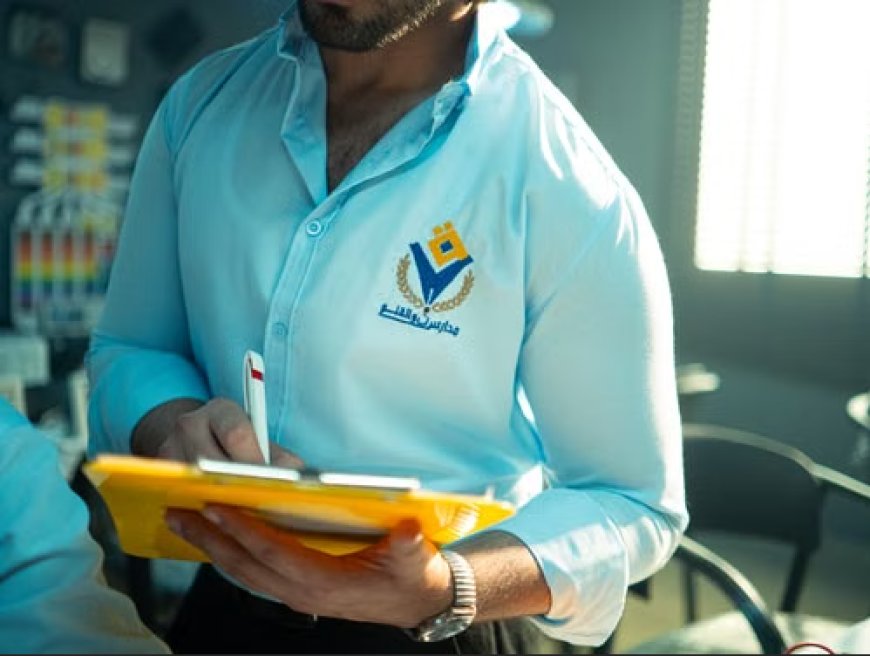
Customers often form an impression of a business before anyone explains what the company does. Clothing is one of the signals they notice first. A clean, consistent work shirt can identify employees, repeat the company name, and make a team look organized. None of those details guarantees trust on its own, but together they can support a more professional customer experience.
Custom work shirts are most effective when the branding is easy to recognize, the clothing fits the job, and every employee presents the same visual identity.
Key Takeaways
-
Consistent logos and colors make employees easier to recognize in customer-facing settings.
-
Professional clothing supports trust best when it is clean, appropriate for the job, and comfortable enough to wear correctly.
-
Embroidery provides repeat brand exposure without requiring employees to carry separate promotional materials.
How Custom Work Shirts Influence Brand Recognition and Customer Trust
-
Recognition Starts With Repetition
Brand recognition grows when customers encounter the same visual cues repeatedly. A logo on a website, vehicle, invoice, storefront, and employee shirt creates several chances to connect the company name with the service being provided.
Custom work shirts turn employees into part of that visual system. The goal is not to make the clothing loud. A readable logo, consistent thread colors, and predictable placement are usually more useful than a complicated design that becomes hard to recognize from a distance.
-
Uniforms Clarify Who Works There
In homes, offices, events, service counters, and job sites, customers may need to know quickly who represents the business. Branded clothing answers that question without requiring an introduction every time. It can make it easier for employees to locate and reduce uncertainty in busy environments.
Research in healthcare settings has shown that uniform appearance can influence perceptions of professionalism. That research is specific to healthcare and should not be generalized to every industry, but it does illustrate a broader point: clothing contributes to the first impression people form of workers they do not yet know.
-
Professionalism Needs Practical Clothing
A shirt only helps the brand if employees can work comfortably in it. Fabric weight, fit, sleeve length, breathability, and laundering needs should match the role. A warehouse crew, landscaper, office technician, and front-desk employee may need different garments even when the embroidery stays consistent.
That is where men's custom apparel and other role-specific options can support a unified identity without forcing every employee into the exact same garment. The logo and colors remain recognizable while the clothing still suits the job.
-
Small Details Reinforce Identity
Branding does not have to stop at shirts. Fabric accessories used by a team or provided to customers can repeat the same visual language. A consistent logo, thread palette, and type style help separate intentional branding from random decoration.
The principle is similar across personalized towels, embroidered hand towels, and workplace textiles. Repetition creates familiarity. For a business, that familiarity is useful when customers see the same identity across several touchpoints.
-
Trust Still Depends on Service
Branded clothing should support trust, not substitute for it. Customers still judge a business by communication, reliability, quality of work, safety, and how problems are handled. A polished shirt cannot repair poor service.
What it can do is make the company easier to identify and present the team in a consistent way before the service interaction begins. That gives employees a clearer professional starting point and helps customers connect the people in front of them with the business they hired.
Conclusion
Workwear is one piece of a larger brand experience. When logos, colors, placement, and garment choices stay consistent, employees become easier to recognize, and the business presents itself with more visual order.
Custom work shirts are most useful when they fit the job, remain comfortable through a full shift, and hold up to repeated washing. They can reinforce familiarity every time an employee meets a customer, visits a job site, or appears in the community.
FAQs
Should every employee's shirt use the same garment color?
Not always. Different departments can use different garment colors while keeping the same logo, embroidery style, and overall brand palette.
Where should a business logo be embroidered?
Left-chest placement is common because it remains visible during conversation, but sleeves or back designs can add visibility when appropriate.
Can employee names be added to work shirts?
Yes. Names can make service interactions more personal and help customers identify specific team members, especially in customer-facing roles.
How many work shirts should each employee receive?
The number depends on shift frequency and laundry access. Enough shirts should be provided to maintain a clean appearance throughout the workweek.
Should seasonal uniforms use different embroidery?
Seasonal garments can use the same core logo and colors, so jackets, polos, and warm-weather shirts still look connected to the same brand.
What's Your Reaction?
 Like
0
 Dislike
0
 Love
0
 Funny
0
 Angry
0
 Sad
0
 Wow
0