
















How Dental Implants Can Improve Chewing Comfort and Restore Your Smile
Learn how Dental Implants replace missing teeth, improve biting comfort and restore a natural-looking smile with personalised dental care and maintenance.Dental Implants
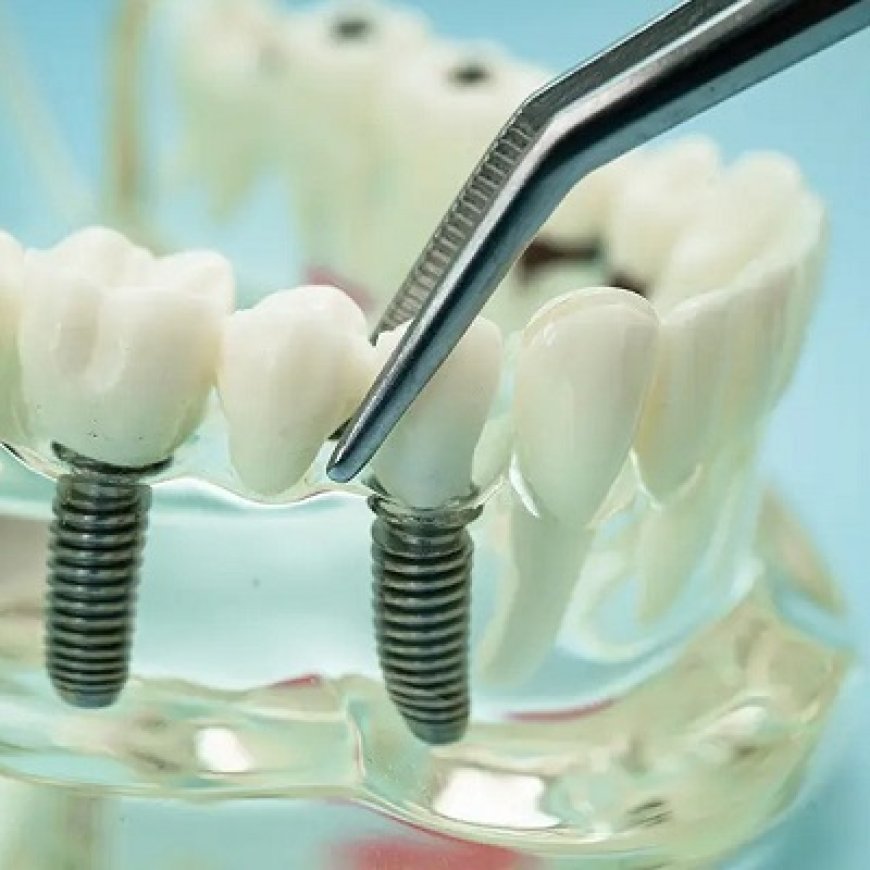
A missing tooth can affect not only the look of a smile but also everyday activities such as chewing and speaking. It may make biting into favourite foods awkward, affect speech, or encourage someone to chew mainly on one side of the mouth. Replacing a missing tooth can help restore balance and confidence. One option worth discussing is Dental Implants, designed to support replacement teeth securely in the jaw.
Why a Missing Tooth Can Affect Everyday Life
Each tooth contributes to biting, chewing and maintaining the spacing of neighbouring teeth. When one is lost, nearby teeth may gradually shift, while the bite can feel different. Gaps can also make certain foods harder to manage, particularly those that need more chewing.
A dental assessment can help identify the changes caused by tooth loss and explain which replacement options may suit the individual. Addressing the problem can help patients make informed decisions about their oral function and long-term dental health.
How Dental Implants Support Chewing Comfort
A dental implant is a small post placed into the jawbone to act as an artificial tooth root. Once healing is complete, the implant can be fitted with a crown, bridge or denture according to the patient’s needs. Its secure placement in the jaw helps keep the restoration steady, making daily activities such as eating and speaking more comfortable. For suitable patients, Dental Implants may make biting and chewing more comfortable than an unstable or poorly fitting replacement.
Stability matters when eating a varied diet. A replacement tooth that fits well can help people chew more evenly and feel less concerned about movement while eating. However, treatment does not produce identical results for everyone. Healing, the position of the implant, bite alignment and general oral health all influence the outcome.
What Happens During Treatment?
The process typically starts with an initial dental appointment, where the dentist assesses the patient’s oral health and discusses suitable treatment options. The dentist reviews gum health, bone support, medical history and any medicines that could affect healing. X-rays or other scans may be recommended to plan the position of the implant. If the jawbone needs additional support or gum disease requires treatment, these issues may need attention before placement.
After the implant is placed, the surrounding bone needs time to bond with it. This healing stage can take several months, depending on the person and the complexity of the case. A custom replacement tooth is then attached when appropriate. Patients should ask about expected stages, temporary teeth, recovery and costs before deciding.
Restoring Appearance as Well as Function
When a tooth is lost, the gap it leaves behind may change the appearance of a smile, particularly if the missing tooth is visible at the front of the mouth. Replacement teeth are made to suit the shape, size and colour of the surrounding teeth, helping create a more natural appearance. For many people, this can make smiling, speaking and socialising feel easier.
In addition to improving the smile’s appearance, dental implants provide support to the jawbone by replacing the function of a missing tooth root. Good oral health remains essential. A carefully planned replacement can also avoid relying on neighbouring teeth for support, as some traditional bridges do.
Are Implants Suitable for Everyone?
Not every patient is an ideal candidate. Successful implant treatment depends on factors such as adequate jawbone support, good gum health and a consistent oral care routine. Certain medical conditions, smoking and some medications can affect healing or treatment success. In some cases, additional procedures may be needed; in others, a bridge or removable denture may be more suitable.
An experienced dentist can explain the likely benefits, limitations, risks and alternatives after assessing the mouth and reviewing relevant health information. Patients should feel comfortable asking questions about treatment time, maintenance, total fees and what happens if complications occur. A clear plan helps people make decisions based on realistic expectations.
Compare benefits with alternatives and consider healing time before deciding. Dental implants may not be the right option for every patient, as suitability depends on individual oral health and overall dental condition. A dentist can explain whether Dental Implants fit your needs, outline possible risks, and help you understand the maintenance required to protect your oral health. Ongoing dental check-ups allow the dentist to monitor how well the implant fits, assess the condition of the surrounding gums, and identify any changes in the patient’s bite.
Caring for Your Replacement Tooth
Although the replacement tooth cannot develop decay in the same way as natural enamel, the gums and tissues around an implant still need careful attention. Brush twice daily with fluoride toothpaste, clean between teeth as advised, and attend regular dental check-ups. Report persistent discomfort, swelling, bleeding or looseness promptly rather than waiting for the next routine visit.
Following post-treatment instructions, avoiding tobacco and managing conditions that affect gum health can support healing and maintenance. Patients should not treat an implant as maintenance-free; regular reviews help a dental team detect problems early.
Conclusion
Dental implants can be a valuable option for people looking to replace missing teeth and improve everyday comfort. From supporting chewing function to enhancing the appearance of a smile, they offer several potential benefits for suitable patients. However, successful treatment depends on individual oral health, careful planning and consistent aftercare. Consulting a qualified dentist can help you understand the available options, expected recovery and long-term maintenance requirements. With the right guidance and a personalised treatment plan, patients can make informed decisions about restoring their smile and maintaining better oral health for years to come.
What's Your Reaction?
 Like
0
 Dislike
0
 Love
0
 Funny
0
 Angry
0
 Sad
0
 Wow
0