

























How Do Diesel Mechanic Jobs Require Skills For Clerical Work?

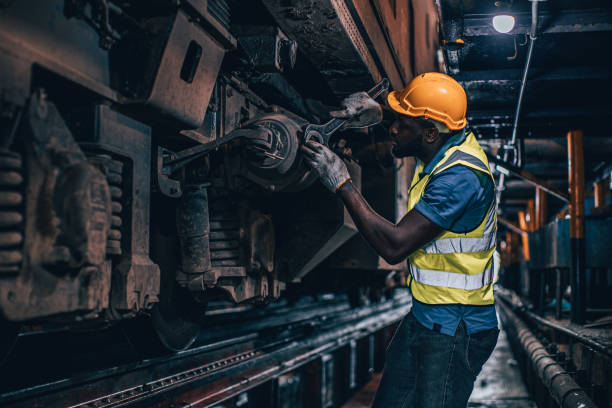
Many individuals, when considering diesel mechanic jobs, visualize greasy garage floors and massive engines running at a steady tick. The truth is, while diesel mechanics do work with machines and perform tedious manual labor, the job itself actually entails a broad range of responsibilities. Diesel mechanics, like other types of technicians, inspect and test engines as a routine part of their work week. They also deal with power generation and distribution, and are often responsible for identifying and replacing faulty components and equipment. Diesel technicians work on buses, trucks, and large-scale equipment generators used in the production chain, without which the global economy would simply stall. There can be no question about the diesel mechanic job outlook across many industries: it is extremely favorable and growing. The specialization has evolved throughout the years, both due to technological advancements as well as overall demand. Diesel engine production is being increased throughout the globe, and modern diesel engines require more sophisticated and computerized equipment for maintenance. Diesel mechanic jobs offer a variety of opportunities due to both high complexity and high practical need. The specialization requires technicians who are equally skilled with hands and minds, who will both be physically fit and qualified with the latest tools and computer software. As a career choice, diesel mechanic jobs are extremely versatile and can satisfy the requirements of any aspiring individual.
Diesel Mechanics Jobs: Rising Demand across Industry Sectors
The logistics and transportation sectors are growing on an international scale, and the demand for diesel mechanics in different industries is only increasing with time. Transportation is essential for any economy, powering everything from commercial farming and construction to municipal service. Diesel mechanics are required wherever diesel equipment is used, and modern transportation needs large-scale diesel equipment, from trucks to generators. A great number of regions across the nation are facing a critical shortage of qualified diesel mechanics, allowing job seekers an advantage as the salary expectation for the specialization is also rising. The acute shortage is due to factors such as aging baby-boomer generation and decreasing interest from younger workers toward diesel-mechanic careers. Diesel mechanics enjoy higher wages, greater opportunities and better benefits within the transportation and manufacturing sectors due to the growing need for qualified technicians. Individuals who have no previous experience can benefit massively from the current state of the diesel mechanic job market: employers across the spectrum prioritize diesel mechanics, and job seekers with no experience, yet good intentions can get training and a steady income within a year. There is a great number of opportunities across the globe for diesel-mechanic technicians both now and for the immediate future. A diesel mechanic has the potential of advancing rapidly based on the practical performance within a given team.
Diesel-Mechanic Jobs: Essential Skills of a Technician
Any aspiring diesel mechanic should possess a basic understanding of certain key areas within the practical and theoretical understanding of diesel engines and related equipment. The work of any diesel mechanic will mostly center around diesel engines: understanding their functions and power distribution patterns, studying and working with hydraulic systems, and being acquainted with general rules and regulations pertaining to braking systems. Technicians must also have a sound knowledge of weld procedures and transmission services, and be generally multiskilled in different areas of mechanic repair. Diesel mechanic jobs require a combination of knowledge areas and hand-to-eye coordination that is rare across other occupations and ensures high practicality. Understanding how to examine and repair a vehicle is only the minimum requirement for diesel mechanics jobs, as these technicians will be operating within a broader framework of practical and theoretical approaches. In general, the primary characteristics that set a diesel mechanic apart from others are strong reasoning and analytical skills as well as stamina and precision. It is vital for any aspirant to study the relevant technical and mechanical fields to develop a competitive understanding and work ethic required for diesel mechanic jobs. Most companies now prefer diesel mechanics with extensive technical and practical knowledge, which helps avoid the cost and hassle of independent training programs. Having said that, an equivalent level of practical and technical education is still in higher demand amongst employers.
Clerical Skills Can Determine Performance within a Shop
While it maybe seem unrelated, clerical-type skills are becoming increasingly necessary within the diesel mechanic occupation to ensure maximal efficiency and reduce liability. Technicians with strong organizational talents and a basic understanding of clerical procedures are in the greatest demand by employers, who prioritize candidates with a broader scope of knowledge. Clerical and organizational skills can play a tremendous role on the work floor: being able to complete work orders and communicate effectively with clients or managers can help a technician get promoted faster or earn more. Technicians with basic skills for clerical-type jobs provide a greater scope of employability, are often in higher demand and can avoid pitfalls connected with the lack of knowledge of clerical regulations. Being able to read, write and calculate correctly within the scope of a given occupation determines an individual’s level of competence in other spheres. Being able to communicate effectively with the higher management or a client can set apart an average diesel mechanic from a highly-efficient expert. Employers will always seek specialists before technicians and apprentices, but being knowledgeable and efficient in the clerical skills also determines the rate and the benefits. For a shop, reducing costs by removing a clerical worker and substituting their duties onto a technician comes in handy far more often than many would expect. An additional plus for employing individuals with good organizational and communication skills is their ability to work in both independent and team-based settings, which maximizes their efficiency.
Diesel Mechanic Jobs: Merging Technical Expertise with Organized Approach
The occupation of diesel mechanic combines a wide scope of technical and practical knowledge with a series of clerical procedures that seem mundane yet are of great importance to the broader workings of a particular team within the larger industry context. Any successful diesel mechanic will have the practical expertise to perform any procedure required within the given specialization. However, a broader knowledge of the occupation, with emphasis on clerical and organizational procedures, determines the performance of a technician within the framework of the employer’s demands. A qualified diesel mechanic will be able to identify and solve the broader problem, rather than the apparent one.

This, in turn, brings a series of advantages, such as increased scope of employability and better rate across different industries where diesel mechanics are in demand. Such individuals can also expect to perform better than the vast majority of applicants: a combined skill set of a diesel mechanic who knows the basic concepts of clerical regulations and organization will perform better on a team-based setting, where coordination and communication skills are required for completing orders faster.
Preparing for a Diesel Mechanic Career: Building Practical Experience
An individual who is seriously considering a diesel mechanic career needs to understand the current climate within the job market that defines skills for clerical. An extensive list of diesel-mechanic occupations are actively seeking new employees who have technical expertise and practical skills. Gaining practical field experience is extremely important: individuals who have completed their studies at a vocational or a similar institution have a definite edge at job fairs due to both training as an apprentice and the qualifications of a formal degree. Individuals are advised to build extensive, multifaceted experience by studying at certified institutions and seeking to obtain credentials, which, in turn, will give them a competitive advantage within the diesel-mechanic job market. Building connections is also necessary: the larger the network of a given individual, the greater the chances of them finding quality and dependable work. Job fairs are also a great way to meet potential employers. An aspiring diesel-mechanic needs time and the determination to build a strong career with good practical skills. With hard work and patience, a person can not only obtain a stable job with satisfactory benefits and working conditions, but also gain a level of satisfaction from working in this intellectually demanding field.
Conclusion
Diesel mechanic jobs offer great versatility that is increasing day by day, while many other fields are already saturated with degrees and applications. A wide scope of knowledge and a set of practical and clerical skills can help any technician gain the upper edge in a highly competitive job market. Diesel technician jobs remain in demand due to an increase in diesel equipment across industrial spectrums, offering competitive salary and great work scope. Individuals who want to learn more about diesel mechanic jobs or have questions pertaining to a diesel mechanic career can use the email function below to contact Elite HR Careers directly. A strong academic and practical background can provide endless opportunities for young, passionate individuals that will set them apart from those less prepared.
FAQs
What education do diesel mechanic jobs require?
The vast majority of employers offer apprenticeships for aspirant diesel-mechanic technicians, but a completed high-school diploma often serves as the minimum formal admission criteria.
Do diesel mechanics require computer skills?
Modern equipment makes computer skills vital to working on modern diesel engines.
Why are clerical skills considered a vital skill among diesel mechanic jobs?
Employers understand that clerical skills set apart highly-trained diesel mechanics who possess a wide scope of knowledge. Good technical skills indicate a strong mind, and good clerical experience ensures that a given person is a good communicator and organizer.
Are diesel-mechanic technician jobs in demand?
The need for qualified diesel mechanics is currently high, with many employers unable to fill openings on time and with sufficient quality.
Can an individual get promoted within a team that demands excellent diesel-mechanic skills?
Individuals who combine technical expertise with other skills often are considered first for lead technician positions.
What's Your Reaction?
 Like
0
 Dislike
0
 Love
0
 Funny
0
 Angry
0
 Sad
0
 Wow
0




