















How Do You Select an Electrical Transformer for Industrial Applications?

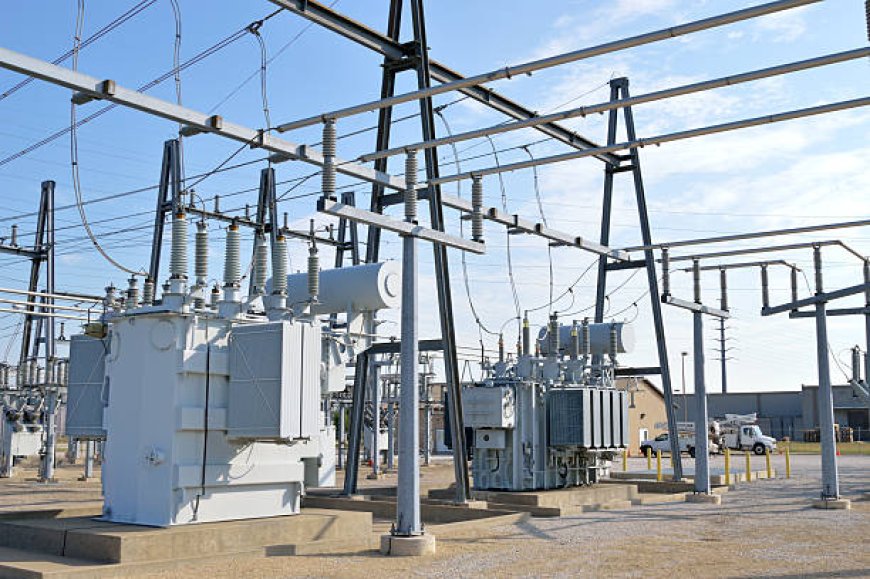
Choosing a transformer for an industrial site is one of those jobs that looks simple until you get into the details. You need the right voltage, capacity, installation setup, cooling method, and a few other things that can easily be overlooked. A good electrical transformer company in Ireland can help, but the buyer still needs to understand what actually matters. After all, a transformer isn't something you swap out every few months. Get the selection wrong, and you could end up with wasted energy, overheating, poor reliability, or an expensive replacement later.
Start With the Load, Not the Transformer
The first thing to figure out is the electrical load the transformer will handle. Sounds obvious, but this is where plenty of projects go sideways. You need to know the connected load, expected demand, starting currents, and whether the load is likely to grow. A factory running motors, pumps, compressors, and welding equipment won't behave like a quiet commercial building. Motor starting can create short bursts of high current, while some industrial equipment may operate continuously for long periods. The transformer needs enough capacity for the real working conditions, not just the number written on today's equipment schedule. Usually, engineers look at the required kVA rating and apply a sensible margin for future expansion. Don't go wildly oversized either. An oversized unit can cost more upfront and may operate inefficiently when lightly loaded.
Check the Primary and Secondary Voltage
Once the load is understood, voltage comes next. The transformer must match the incoming supply and provide the voltage required by the equipment downstream. Industrial facilities can have different voltage levels depending on the machinery and distribution arrangement. You might need to step voltage down from a medium-voltage supply to a lower voltage used by plant equipment. In other cases, a transformer may step voltage up for particular applications. The important thing is to check both sides carefully. Frequency matters too, especially when equipment or transformers are being sourced internationally. Tap settings also deserve attention because they can help compensate for changes in incoming voltage. It’s not glamorous stuff, but getting these numbers wrong is a very expensive mistake.
Think About the Industrial Environment
A transformer doesn't operate in a vacuum. It sits somewhere. Maybe inside a clean electrical room. Maybe in a dusty manufacturing area where the doors are constantly opening. Maybe outdoors where rain, temperature changes, and airborne contaminants are part of daily life. The environment affects transformer selection quite a bit. Dry-type transformers are often attractive for indoor industrial installations because they don't use liquid insulation and can be suitable where fire risk is a concern. Oil-filled transformers, meanwhile, are commonly used where higher ratings and particular cooling characteristics are needed. You also need to think about ventilation, humidity, altitude, dust, corrosive substances, and ambient temperature. Truth is, the best transformer on paper can be a poor choice if its installation environment wasn't considered.
Choose the Right Cooling and Insulation Arrangement
Cooling isn't just a technical checkbox. Transformers produce heat during operation, and that heat needs somewhere to go. Depending on the size and design, transformers may use natural air cooling, forced air, oil circulation, or other arrangements. For many industrial applications, the cooling method will be closely linked to the transformer rating and expected loading. Insulation is just as important. Cast resin and other dry-type designs provide solid insulation systems, while liquid-filled transformers use insulating fluid around the windings and core. Each approach has its own advantages and limitations. If the transformer will be located close to workers or valuable equipment, safety considerations can push the decision toward one design. This is why a proper technical discussion beats simply picking the cheapest quote.
Look at Efficiency and Energy Losses
Buying a transformer based only on purchase price is a bit short-sighted. The unit will probably operate for many years, and even small efficiency differences can add up over that time. Transformers have no-load losses, which occur while the unit is energised, and load losses that increase as current passes through the windings. If an industrial transformer spends most of its life carrying a substantial load, those losses deserve close attention. Ask about efficiency figures and the applicable standards, not just the initial price. A cheaper transformer isn't necessarily cheaper to own. Energy costs have a habit of making that very clear. Good transformer manufacturers will normally provide loss data so engineers can compare different options properly rather than guessing.
Work With Experienced Power Transformer Manufacturers
Industrial projects often involve details that aren't obvious from a basic product catalogue. This is where experienced Power transformer manufacturers in Ireland can bring real value. A capable manufacturer or transformer supplier should be able to discuss load profiles, voltage requirements, protection, cooling, enclosure requirements, and installation conditions. They can also explain whether a standard transformer is suitable or if a custom design makes more sense. This matters for unusual industrial loads, restricted spaces, special voltage requirements, or projects where future capacity is important. Don't be afraid to ask awkward questions about testing, materials, efficiency, and expected service life. If the supplier can't give you a straight answer, that's a warning sign. Electrical equipment is not the place for vague sales talk.
Consider Protection, Installation and Maintenance
Transformer selection doesn't end when the rating has been chosen. Protection equipment needs to be considered as part of the overall system. Depending on the transformer type and installation, this can include circuit breakers, fuses, temperature monitoring, surge protection, earth-fault protection and other devices. The transformer also needs enough physical space around it for ventilation, access, and maintenance. Think about how someone will inspect it five years from now. Can technicians reach the connections? Is there enough room to work safely? For dry-type units, keeping cooling passages clean can be important, particularly in dusty industrial environments. Oil-filled equipment may require additional checks of the insulating fluid, seals, and associated components. Planning maintenance from day one is just common sense, really.
Don't Forget Future Expansion
Industrial facilities rarely stay the same. A company adds a production line. More motors appear. Automation gets upgraded. Suddenly that transformer which seemed comfortably sized a few years ago is working much harder than expected. That's why future expansion should form part of the original selection process. It doesn't always mean buying a much larger transformer today. Sometimes it makes more sense to choose a rating that leaves reasonable headroom or design the distribution system so another unit can be added later. The short answer is, don't design only for what exists on the floor right now. Look at the site's likely direction over the next several years. A little planning here can save a major electrical upgrade later.
Conclusion: Select for the Whole Application
Selecting an industrial transformer comes down to more than choosing a kVA number and signing an order. Load characteristics, voltage, environment, cooling, insulation, efficiency, protection, and future expansion all have to fit together. Let’s be real, industrial electrical systems don't give much room for guesswork. A transformer that works perfectly in one facility may be completely wrong for another. Working with experienced Power transformer manufacturers in Ireland businesses can rely on can help ensure the equipment is properly matched to the application. Start with the actual requirements, understand the operating conditions, and involve an experienced transformer supplier early. That approach takes a little more effort at the beginning, but it usually pays off through better reliability, safer operation, and fewer unpleasant surprises once the equipment is running.
What's Your Reaction?
 Like
0
 Dislike
0
 Love
0
 Funny
0
 Angry
0
 Sad
0
 Wow
0





