











How Does Laser Skin Resurfacing Affect Mature Skin?

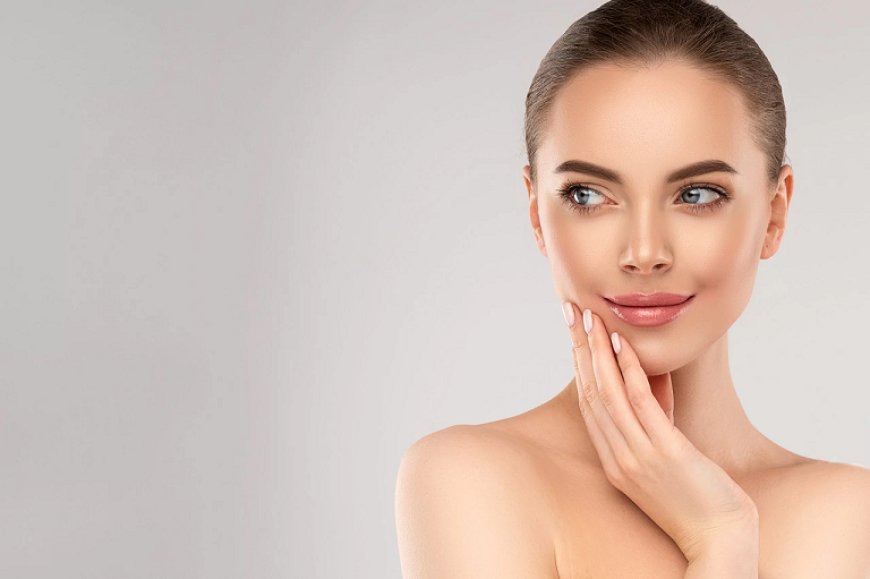
Mature skin often develops fine lines, wrinkles, uneven texture, and age-related pigmentation as collagen and elastin production gradually decline. Laser skin resurfacing in Dubai is an option for people looking to improve these visible changes through controlled laser energy. At Dynamic Clinic in Dubai, this treatment is an advertorial topic for individuals interested in understanding how laser technology may support skin rejuvenation and improve mature skin.
Why Does Mature Skin Change With Age?
Skin naturally changes as people grow older. Collagen provides structure and firmness, while elastin helps the skin maintain its flexibility. Over time, the body produces less of these important proteins, making the skin thinner and less resilient.
Other factors can also influence the ageing process, including:
-
Sun exposure: Long-term UV exposure can damage collagen and contribute to age spots.
-
Reduced hydration: Mature skin may lose moisture more easily, making fine lines more noticeable.
-
Slower cell renewal: Dead skin cells may accumulate, creating a dull or rough appearance.
-
Environmental stress: Pollution and lifestyle habits can contribute to visible skin ageing.
-
Natural volume changes: Reduced facial fat and structural support can make wrinkles and folds more noticeable.
These changes can affect the face, neck, chest, and hands, depending on age, genetics, and environmental exposure.
How Does Laser Skin Resurfacing Work on Mature Skin?
Laser skin resurfacing uses focused light energy to target specific layers of the skin. Depending on the laser technology, the treatment may remove damaged outer skin cells or create controlled thermal effects within the skin.
These processes encourage the body's natural repair response. As the treated area heals, new skin cells develop, and collagen production may increase over time.
There are two main approaches:
Ablative laser resurfacing
This method removes thin layers of damaged skin. It may be considered for more noticeable wrinkles, certain scars, and significant surface irregularities. Recovery is generally longer because the outer skin layer needs time to heal.
Non-ablative laser resurfacing
This approach heats deeper skin tissues without removing the entire outer layer. It stimulates collagen-related changes while usually involving less downtime. Several sessions may be recommended depending on the skin concern and treatment response.
The most suitable approach depends on skin thickness, sensitivity, medical history, and the degree of visible ageing.
What Improvements Can Mature Skin Experience?
Laser resurfacing may improve several common signs of ageing by addressing surface damage and supporting collagen renewal.
1. Reduction in Fine Lines and Wrinkles
Fine lines around the eyes, mouth, and forehead can become more noticeable as collagen levels decline. Certain laser treatments encourage collagen remodelling, which may gradually improve skin texture and the appearance of shallow wrinkles.
Deeper folds may require a different approach because resurfacing does not replace lost facial volume.
2. Improved Skin Texture
Ageing skin can develop rough patches, enlarged pores, and uneven surfaces. Laser energy helps remove or remodel damaged tissue, depending on the technology used.
As the skin heals, its surface may appear smoother and more refined.
3. More Even Skin Tone
Sun damage can cause age spots, pigmentation, and uneven skin colour. Some resurfacing technologies target these concerns by removing damaged cells or breaking down excess pigment.
However, pigmentation treatment requires careful assessment, particularly for darker skin tones, because certain lasers can trigger post-inflammatory hyperpigmentation.
4. Support for Collagen Production
Collagen plays an important role in maintaining skin firmness. Some laser treatments stimulate the body's natural collagen response, which may improve mild skin laxity over time.
Results develop gradually rather than appearing immediately after a session.
Is Laser Skin Resurfacing Suitable for All Mature Skin Types?
Not every person with mature skin is an ideal candidate. Treatment suitability depends on several individual factors.
A professional skin assessment should consider:
-
Skin tone and sensitivity.
-
The depth of wrinkles and existing skin damage.
-
Previous laser treatments or cosmetic procedures.
-
A history of pigmentation or abnormal scarring.
-
Active acne, infections, or inflammatory skin conditions.
-
Current medications and healing concerns.
People with darker skin tones may need specific laser settings and technologies to reduce pigmentation risks. Those with very sensitive skin may also require a gentler treatment approach.
What Should Mature Skin Expect During Recovery?
Recovery varies according to the laser type, treatment intensity, and individual healing response.
After treatment, temporary effects may include redness, swelling, dryness, peeling, and increased sensitivity. Ablative procedures generally require more healing time, while non-ablative treatments often involve a shorter recovery period.
Good aftercare helps protect the treated skin:
-
Use gentle cleansers and moisturisers recommended by the treating professional.
-
Apply broad-spectrum SPF 30 or higher sunscreen daily.
-
Avoid direct sunlight while the skin is healing.
-
Do not pick, scratch, or remove peeling skin.
-
Avoid strong exfoliants and active skincare ingredients until cleared.
-
Follow the recommended recovery instructions.
In Dubai, consistent sun protection is especially important because strong UV exposure can affect healing and increase the risk of pigmentation changes.
How Long Do Results Take to Develop?
Some improvements in skin texture may become visible after the initial healing period. However, collagen remodelling takes time, so changes in firmness and fine lines may develop over several weeks or months.
Results depend on the treatment method, skin condition, age, and natural healing response. Maintenance sessions may be considered when appropriate, while continued sun protection and a suitable skincare routine help maintain skin quality.
Conclusion
Laser skin resurfacing can help address several visible signs of mature skin, including fine lines, uneven texture, sun damage, and certain pigmentation concerns. By removing damaged surface cells or stimulating deeper skin repair, different laser technologies offer approaches suited to varying degrees of skin ageing. A personalised assessment is important to select the appropriate treatment, understand possible side effects, and establish realistic expectations. Consistent skincare and sun protection also play an important role in supporting long-term skin health.
What's Your Reaction?
 Like
0
 Dislike
0
 Love
0
 Funny
0
 Angry
0
 Sad
0
 Wow
0