How Does Rhinoplasty Address Nasal Asymmetry?

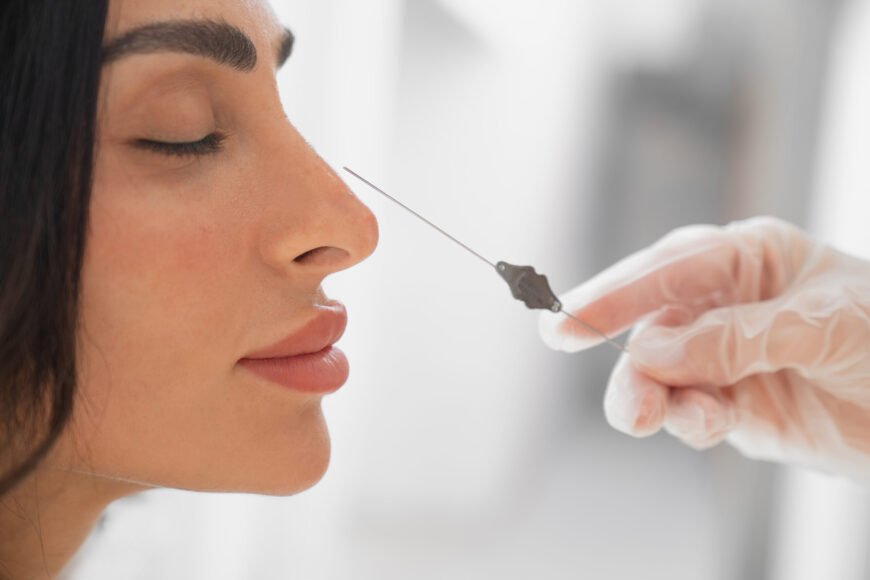
Nasal asymmetry can affect the appearance of the nose from the front, side, or lower view and may result from differences in bone, cartilage, or soft tissue. For people considering Rhinoplasty Dubai, understanding how structural imbalance is assessed and addressed can help clarify what the procedure involves. At Dynamic Clinic in Dubai, nasal assessment may consider both appearance and nasal structure when planning treatment for asymmetry.
What Causes Nasal Asymmetry?
The nose is naturally not perfectly symmetrical, and minor differences between the two sides are common. More noticeable asymmetry can develop because of the underlying nasal framework, previous injury, developmental differences, or changes in cartilage and bone.
Common structural factors include:
- Uneven nasal bones
- Deviated nasal septum
- Differences in cartilage shape
- Unequal nostril size or position
- An asymmetric nasal tip
- Previous nasal trauma or surgery
Identifying the specific source of asymmetry is important because different structural issues may require different surgical approaches.
How Is Nasal Asymmetry Assessed?
A rhinoplasty assessment usually begins with an examination of the nose from multiple angles. The external appearance may be evaluated alongside the internal nasal structure to determine whether the imbalance is primarily cosmetic, structural, or associated with nasal function.
Assessment can include the position of the nasal bridge, tip, nostrils, septum, and surrounding facial proportions. Breathing concerns may also be discussed when the nasal framework or septum appears to contribute to functional problems.
This detailed evaluation helps establish which parts of the nose contribute to the visible asymmetry.
How Can Rhinoplasty Improve an Uneven Nasal Structure?
Rhinoplasty can involve controlled reshaping of nasal bone and cartilage to create greater structural balance. The specific technique depends on where the asymmetry originates and how much correction is appropriate for the individual anatomy.
For example, uneven nasal bones may be carefully adjusted to improve the alignment of the bridge. Cartilage can also be reshaped, repositioned, or supported when the nasal tip appears uneven. In some cases, structural grafting techniques may be considered to provide support or improve symmetry.
The objective is not necessarily to make both sides mathematically identical. Facial anatomy naturally contains small variations, so surgical planning generally focuses on achieving a balanced appearance that suits the person's overall features.
Can Rhinoplasty Address a Deviated Septum?
A deviated septum can contribute to both internal and external nasal asymmetry. When the septum is significantly displaced, it may affect the straightness of the nose or restrict airflow through one side.
When appropriate, septal correction may be incorporated into nasal surgery. Addressing the septum can help improve the internal framework while supporting the desired external shape. Whether this is necessary depends on the findings of the individual nasal examination.
What Role Does the Nasal Tip Play?
The nasal tip is an important part of overall facial balance. Differences in the size, position, or orientation of the tip cartilages can make one side of the nose appear different from the other.
Tip refinement may involve precise cartilage modification or repositioning. Surgeons must consider the relationship between the tip, bridge, nostrils, and septum rather than treating the tip as an isolated feature. Excessive cartilage removal can affect structural support, making conservative planning an important consideration.
How Is the Approach Customized?
No single rhinoplasty technique is appropriate for every type of nasal asymmetry. Treatment planning may take into account:
- The location and severity of asymmetry
- Nasal bone and cartilage structure
- Septal alignment
- Skin and soft-tissue characteristics
- Facial proportions
- Previous nasal injury or surgery
- Nasal breathing and functional concerns
This individualized approach allows the surgical plan to focus on the specific anatomical factors responsible for the imbalance.
Can Rhinoplasty Improve Both Appearance and Function?
Nasal asymmetry is not always limited to appearance. Structural deviations can sometimes occur alongside breathing difficulties, particularly when the septum or internal nasal passages are affected.
When functional concerns are identified, nasal surgery may address relevant structural problems while also considering the external shape. The appropriate approach depends on the clinical examination and the underlying anatomy.
What Should Patients Understand About Symmetry?
Perfect facial symmetry is not a realistic surgical objective. Natural faces contain subtle differences between the two sides, and the nose is influenced by the surrounding cheeks, eyes, lips, and jaw.
Rhinoplasty for asymmetry therefore focuses on proportion, structural balance, and appropriate correction rather than creating identical sides. A realistic treatment plan takes natural anatomy into account when determining how much change is suitable.
Conclusion
Rhinoplasty can address nasal asymmetry by identifying the structural factors responsible for an uneven appearance and carefully modifying the relevant bone, cartilage, septum, or nasal tip. A detailed anatomical assessment helps determine which techniques may be appropriate while keeping facial proportions and nasal function in consideration. For individuals in Dubai, understanding the structural basis of asymmetry provides a clearer perspective on how rhinoplasty planning is tailored to individual nasal anatomy.
What's Your Reaction?
 Like
0
 Dislike
0
 Love
0
 Funny
0
 Angry
0
 Sad
0
 Wow
0