How Does Skin Pigmentation Affect Freckles and Blemishes Treatment Cost?

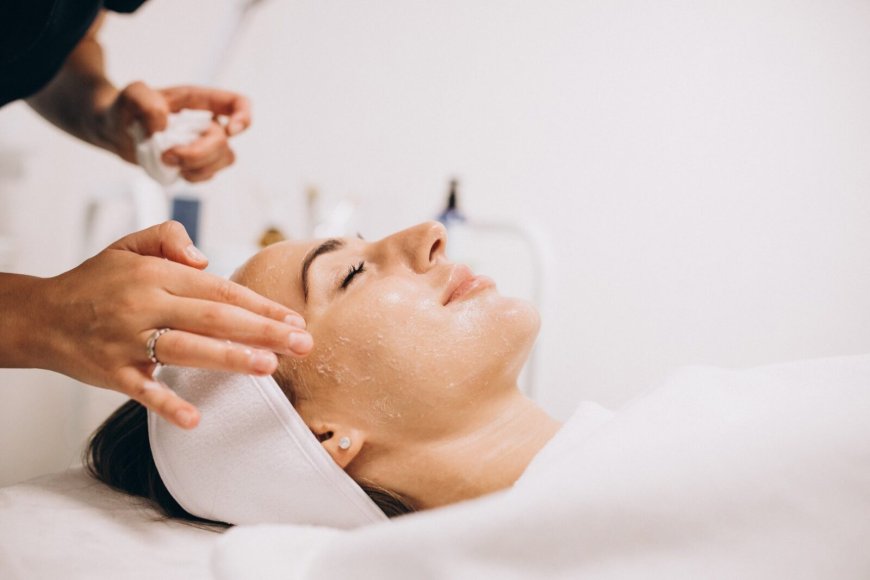
Skin pigmentation plays an important role in how freckles, dark spots, and other blemishes are assessed and treated. Understanding skin tone, melanin levels, and the cause of discolouration helps people make informed decisions about skin care. For readers exploring Freckles and Blemishes Treatment Cost in Dubai, learning about pigmentation and treatment suitability can provide useful context, including the factors discussed in general educational resources associated with Dynamic Clinic in Dubai.
Understanding Skin Pigmentation and Its Causes
Skin pigmentation refers to the colour of the skin, which is mainly determined by melanin. This natural pigment is produced by cells called melanocytes. Melanin helps protect the skin from ultraviolet (UV) radiation, but uneven production or distribution can cause visible spots and patches.
Several factors can contribute to pigmentation changes, including:
-
Sun exposure: UV radiation can increase melanin production and make freckles and dark spots more noticeable.
-
Hormonal changes: Hormonal fluctuations may contribute to conditions such as melasma.
-
Inflammation: Acne, insect bites, and skin irritation can leave dark marks during healing.
-
Genetics: Some people are naturally more likely to develop freckles.
-
Ageing: Sun damage accumulated over time can lead to age spots and uneven skin tone.
Identifying the cause of discolouration is important because different pigmentation concerns may respond differently to treatment.
How Skin Tone Influences Treatment Selection
Skin tone can influence which treatments are suitable for freckles and blemishes. Lighter skin may show freckles more clearly, while medium and darker skin tones can be more prone to post-inflammatory hyperpigmentation after irritation or inflammation.
Treatments that target excess pigment must be selected carefully. Certain laser settings, chemical peels, and exfoliating procedures may cause unwanted irritation if they are not appropriate for an individual's skin type.
A qualified skin professional may assess:
-
Natural skin tone and sensitivity.
-
The depth and distribution of pigmentation.
-
Whether the spots are freckles, sunspots, melasma, or post-acne marks.
-
Previous reactions to skincare products or procedures.
-
The likelihood of temporary redness or additional pigmentation.
This assessment helps guide a treatment plan that balances visible improvement with skin safety.
Why Different Blemishes Need Different Approaches
Not every dark spot has the same underlying cause. Treating all pigmentation concerns in the same way may lead to disappointing results or unnecessary irritation.
Freckles: These small, flat spots are often influenced by genetics and sunlight. They may become darker after sun exposure and lighter when UV exposure decreases.
Sunspots: Also known as solar lentigines, these marks commonly develop after years of ultraviolet exposure. They can persist even when sun exposure is reduced.
Post-acne marks: These flat areas of discolouration develop after inflammation. They may appear brown, grey, or reddish, depending on skin tone and the healing process.
Melasma: This condition often causes larger patches of brown or grey-brown pigmentation, particularly on the cheeks, forehead, and upper lip. Hormonal factors and sunlight can contribute to its development.
Correctly identifying the type of pigmentation helps determine whether topical skincare, a chemical peel, laser treatment, or another approach may be appropriate.
The Role of Treatment Complexity and Skin Response
Skin pigmentation can influence the complexity of a treatment plan. Superficial spots may respond differently from deeper pigmentation, and widespread discolouration may require a different approach from a few isolated freckles.
Individual skin response also matters. Some people experience gradual fading, while others may need several treatment sessions to achieve noticeable improvement. No procedure can guarantee complete or permanent removal of every blemish.
Factors that may influence treatment planning include:
-
Pigment depth: Deeper pigmentation may be more challenging to address.
-
Skin sensitivity: Reactive skin may require gentler methods and longer intervals between procedures.
-
Extent of discolouration: Numerous spots or larger patches may need a broader treatment approach.
-
Previous treatments: Earlier procedures and any resulting irritation can affect the next steps.
-
Sun exposure: Continued UV exposure can darken existing spots or contribute to new ones.
A personalised assessment helps establish realistic expectations based on these variables.
Preparing the Skin Before Pigmentation Treatment
Appropriate preparation can support skin health and reduce the risk of avoidable irritation. The recommended steps depend on the planned procedure and the individual's skin condition.
Before treatment, consider the following guidance:
-
Use broad-spectrum sunscreen with SPF 30 or higher every day.
-
Avoid excessive sun exposure and tanning.
-
Tell the treating professional about current skincare products, medications, allergies, and previous skin reactions.
-
Follow specific instructions about exfoliating acids, retinoids, or other potentially irritating products.
-
Avoid picking blemishes or using harsh scrubs on affected areas.
People with active irritation, infection, or unexplained changes in a pigmented spot may need further assessment before undergoing a cosmetic procedure.
Aftercare and Preventing Further Pigmentation
Aftercare is especially important for people who are prone to uneven pigmentation. Temporary redness, sensitivity, or darkening may occur after certain procedures. The recovery period varies according to the treatment used and the person's skin response.
Helpful aftercare practices include gentle cleansing, regular moisturising, and consistent sun protection. Avoiding excessive heat, harsh exfoliation, and unnecessary friction may also help protect the skin while it recovers.
Daily sunscreen use is essential because ultraviolet exposure can reactivate pigmentation and reduce the benefits of treatment. Protective clothing and seeking shade during strong sunlight can provide additional support.
If pigmentation becomes darker, spreads, or returns repeatedly, a professional review can help determine whether the original diagnosis or treatment approach needs reconsideration.
Conclusion
Skin pigmentation affects how freckles and blemishes are identified, treated, and managed over time. Natural skin tone, melanin activity, pigment depth, sensitivity, and sun exposure all contribute to treatment decisions. Understanding these factors helps people choose suitable options, follow appropriate aftercare, and maintain realistic expectations. A careful assessment and consistent sun protection remain important parts of managing uneven skin tone across different skin types.
What's Your Reaction?
 Like
0
 Dislike
0
 Love
0
 Funny
0
 Angry
0
 Sad
0
 Wow
0