How Does Third-Party Syrup Manufacturing Work for Pharma Companies in India?

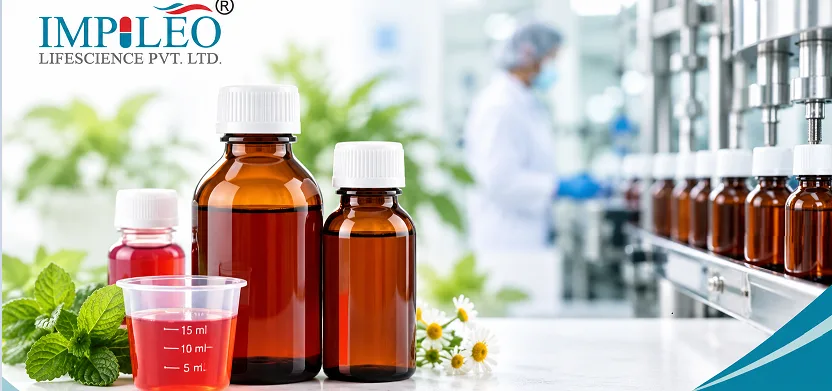
Third-party manufacturing has become a practical option for pharmaceutical companies that want to expand their product portfolios without establishing their own manufacturing facilities. It allows businesses to work with an established manufacturer for producing pharmaceutical syrups while focusing on branding, marketing, distribution, and customer relationships. Understanding how the process works can help pharma businesses make informed decisions, manage production costs, and maintain product quality. Choosing suitable Syrups Manufacturers in India is an important step toward building a reliable and sustainable pharmaceutical business.
Understanding Third-Party Syrup Manufacturing
Third-party syrup manufacturing is a business arrangement in which a pharmaceutical company hires another qualified manufacturer to produce products according to agreed specifications and applicable regulatory requirements. The marketing company may sell the finished products under its own brand, subject to the relevant licensing and labelling rules.
This arrangement can be useful for pharmaceutical distributors, marketing companies, startups, and established pharma businesses looking to introduce new liquid formulations. Instead of investing heavily in production infrastructure, businesses can explore partnerships with manufacturers that already have suitable facilities and technical capabilities.
The exact responsibilities of each party depend on the manufacturing agreement, product category, and applicable regulations. Therefore, companies should clarify manufacturing, testing, documentation, packaging, and compliance responsibilities before placing an order.
Why Pharma Companies Choose Third-Party Manufacturing
Setting up a pharmaceutical manufacturing unit requires substantial investment in facilities, equipment, trained personnel, quality systems, and regulatory compliance. For businesses that primarily focus on marketing and distribution, managing all these activities internally may not be practical.
Third-party manufacturing offers an alternative by allowing companies to use the production capabilities of an external partner. This can help them allocate resources toward sales development, distribution networks, customer support, and brand promotion.
Working with experienced Syrups Manufacturers in India may also provide access to different liquid formulations and packaging options, depending on the manufacturer's capabilities. However, businesses should assess production capacity, quality systems, and regulatory suitability before making a commitment.
Step-by-Step Process of Third-Party Syrup Manufacturing
Identifying Product Requirements
The process generally begins with deciding which pharmaceutical syrups the business wants to manufacture. Companies should define the intended product category, formulation requirements, dosage form, packaging size, expected demand, and target market.
At this stage, it is important to identify the relevant product approvals and regulatory requirements. Any proposed formulation must be assessed for legal permissibility, safety, quality, and applicable licensing conditions before production begins.
Clear product specifications help manufacturers determine whether they can meet the requirements and provide a realistic quotation.
Selecting a Suitable Manufacturing Partner
After defining the product requirements, the company can evaluate potential manufacturing partners. Important considerations include manufacturing licenses, relevant certifications, production capacity, quality control systems, product experience, and documentation practices.
Businesses should verify the manufacturer's credentials and confirm that its licenses cover the relevant activities and products. They should also ask about available formulations, batch sizes, packaging facilities, and expected production timelines.
Impileo Lifescience Pvt. Ltd. can be approached to discuss pharmaceutical product requirements and determine whether its current manufacturing-related capabilities are suitable for a proposed project.
Discussing Pricing and Commercial Terms
Once a suitable manufacturer has been identified, both parties can discuss the commercial details. These may include minimum order quantities, formulation costs, raw materials, packaging materials, testing, labelling, payment terms, and delivery schedules.
A written quotation should clearly explain what is included in the price. Businesses should also ask whether costs could change due to variations in packaging, order quantities, material prices, or testing requirements.
Comparing quotations from multiple qualified manufacturers can help companies understand the market and prepare realistic budgets without compromising essential quality requirements.
Finalizing Formulation and Documentation
Before manufacturing begins, the product specifications and technical documentation must be finalized. Depending on the product, these may cover ingredient composition, manufacturing instructions, testing methods, packaging specifications, shelf-life evidence, and storage conditions.
Both parties should agree on the approved product details and the procedures for reviewing changes. Where required, the relevant product permissions and regulatory approvals must be in place before production.
Proper documentation helps maintain consistency and establishes clear responsibilities throughout the manufacturing process.
Production and Quality Testing
Once the required approvals and documentation are complete, manufacturing can proceed according to the agreed specifications and applicable quality requirements.
Pharmaceutical syrup production may involve preparing the formulation, mixing ingredients, carrying out in-process checks, filling bottles, sealing containers, labelling, and packing the finished products. The precise process depends on the formulation and manufacturing method.
Quality control is essential throughout these stages. Depending on the product, testing may include appearance, pH, assay, microbial limits, fill volume, and other relevant quality parameters. Finished products should meet their approved specifications before release.
Packaging, Labelling, and Delivery
After production and quality checks, the syrups are packed using suitable materials and labelled in accordance with applicable regulations. Labelling requirements may include product identification, batch number, manufacturing and expiry dates, storage instructions, and other mandatory information.
The manufacturer and marketing company should agree on artwork approval, packaging specifications, transportation arrangements, and delivery timelines in advance.
Clear coordination at this stage helps reduce packaging errors and ensures that the finished products are handled appropriately during distribution.
What Quality Standards Should Businesses Check?
Quality should remain a priority when selecting a third-party manufacturing partner. Pharmaceutical companies should review applicable manufacturing licenses, quality certifications, testing capabilities, batch records, and product-specific documentation.
For syrup formulations, particular attention should be given to ingredient quality, microbial control, formulation consistency, packaging compatibility, and stability. Liquid products may have specific storage and handling requirements that influence their shelf life and quality.
Businesses should verify claims about GMP compliance and other certifications through appropriate documentation. They should also understand how the manufacturer handles deviations, customer complaints, product recalls, and changes to approved processes.
These checks help businesses make informed decisions when comparing Syrups Manufacturers in India.
Common Challenges in Third-Party Syrup Manufacturing
Although third-party manufacturing offers several business advantages, it also requires careful planning. Delays may occur because of raw material availability, packaging approvals, testing requirements, or changes in production schedules.
Miscommunication about formulation details, label artwork, order quantities, and delivery dates can also create avoidable problems. Businesses can reduce these risks by maintaining written specifications, approving artwork before printing, and establishing clear communication procedures.
Another important consideration is regulatory responsibility. Companies should not assume that outsourcing production removes their own legal obligations. The manufacturing agreement should clearly allocate responsibilities for product approvals, labelling, quality complaints, and post-market requirements according to applicable law.
Regular communication and appropriate documentation can help both parties manage these challenges more effectively.
How Impileo Lifescience Pvt. Ltd. Fits Into Your Search
Impileo Lifescience Pvt. Ltd. is a pharmaceutical company that prospective business partners can contact to discuss their syrup-related product requirements and potential manufacturing arrangements.
Before entering into a partnership, businesses should confirm the company's current capabilities, relevant manufacturing authorizations, available product categories, quality documentation, minimum order quantities, and delivery terms. These details should be evaluated against the requirements of the intended products.
For pharma businesses exploring Syrups Manufacturers in India, a detailed discussion with prospective partners can help establish whether their capabilities, commercial terms, and quality systems align with the business's goals.
Conclusion
Third-party syrup manufacturing provides pharmaceutical businesses with an alternative to establishing their own production facilities. By working with a suitable manufacturing partner, companies can explore product expansion while concentrating on marketing, distribution, and business development.
The process typically involves identifying product requirements, evaluating manufacturers, agreeing on commercial terms, finalizing documentation, producing and testing the syrups, and coordinating packaging and delivery.
Selecting a suitable partner requires careful evaluation of quality systems, regulatory compliance, production capabilities, and communication practices. With proper planning and clearly defined responsibilities, pharmaceutical businesses can build productive partnerships with qualified Syrups Manufacturers in India and support their long-term growth.
What's Your Reaction?
 Like
0
 Dislike
0
 Love
0
 Funny
0
 Angry
0
 Sad
0
 Wow
0