













How Exterior Paint Protection Helps Prevent Paint Damage
Exterior paint protection helps prevent fading, peeling, stains, and surface damage, keeping your home looking fresh, clean, and well-maintained.

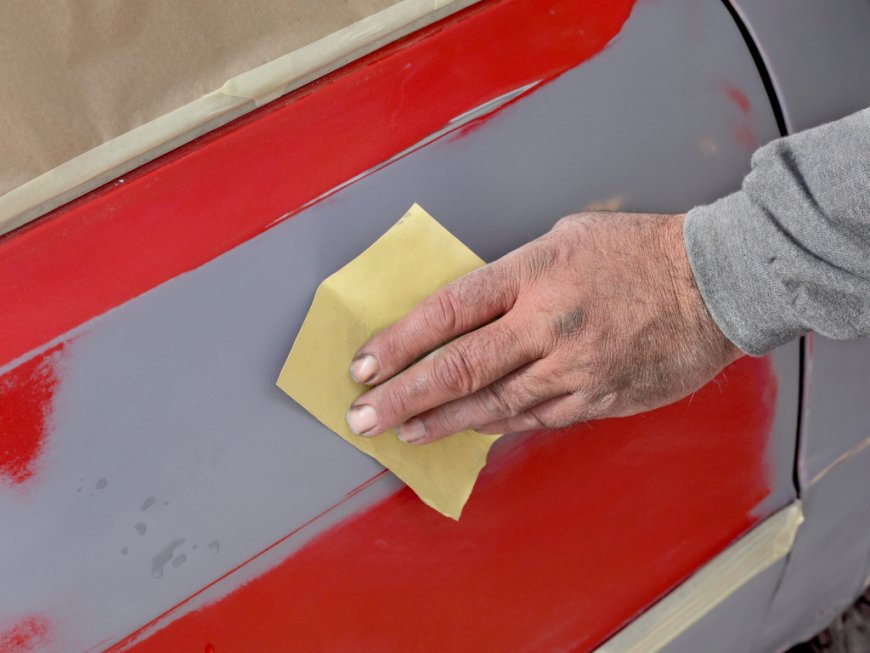
Protecting Your Vehicle’s Paint From Everyday Damage
Your vehicle’s paint does more than create an attractive appearance. It acts as an important protective layer between the body of the vehicle and the outside environment. Every day, your vehicle is exposed to sunlight, rain, dirt, road debris, bird droppings, tree sap, salt, and other contaminants that can gradually affect the paintwork. Without proper care, these elements can cause fading, staining, oxidation, scratches, and loss of gloss.
Exterior paint protection provides an effective way to reduce the impact of these damaging factors. By adding a protective layer over the vehicle’s painted surfaces, exterior paint protection helps keep contaminants from directly affecting the paint. It can also make regular washing and maintenance easier while helping the vehicle maintain a cleaner and more polished appearance.
How Sunlight Can Damage Vehicle Paint
One of the biggest threats to exterior paint is prolonged exposure to ultraviolet radiation. Vehicles that spend considerable time outdoors are constantly exposed to sunlight, and UV rays can gradually break down the components responsible for maintaining the paint’s original color and finish. Over time, this can result in fading, dullness, oxidation, and an uneven appearance.
Exterior paint protection creates an additional barrier between the paint and environmental exposure. Depending on the type of protection applied, this barrier can help reduce the effects of UV exposure and slow down deterioration. Maintaining this protective layer can be especially valuable for vehicles that are regularly parked outside or driven frequently.
Keeping paint protected from excessive environmental exposure helps preserve the vehicle’s appearance for longer. Instead of allowing sunlight to directly affect the surface over many years, exterior paint protection adds another level of defense that supports long-term paint care.
Protection From Road Dirt and Contaminants
While driving, your vehicle collects a variety of contaminants from the road. Dust, mud, grit, brake dust, and other particles can settle onto painted surfaces. Some contaminants may be abrasive, meaning that improper washing can cause fine scratches or swirl marks as dirt is moved across the surface.
Exterior paint protection can help create a smoother, more resistant surface that makes it harder for contaminants to bond strongly to the paint. This does not mean that protected paint cannot become dirty, but it can make contaminants easier to remove during proper washing.
Regular cleaning remains important even when exterior paint protection has been applied. A protective coating should be viewed as an additional layer of defense rather than a replacement for routine vehicle maintenance. When combined with safe washing techniques, protection can help reduce unnecessary wear on the paint.
Reducing Damage From Bird Droppings and Tree Sap
Bird droppings and tree sap can be particularly troublesome for vehicle owners. These substances can contain acidic or chemically active compounds that may stain or etch the paint if they remain on the surface for extended periods. Hot weather can make the problem worse because heat may accelerate the bonding and drying of contaminants.
Exterior paint protection can provide a helpful barrier against these substances, making them easier to clean before they have a chance to cause serious damage. The sooner contaminants are removed, the better the chances of maintaining the original condition of the paint.
Although exterior paint protection can improve resistance, it is still important to remove bird droppings, tree sap, and similar contaminants promptly. Allowing contaminants to sit on the vehicle for long periods can eventually overcome protective measures.
Helping Prevent Minor Surface Scratches
Vehicle paint can develop fine scratches from everyday contact. Dusty washing equipment, rough towels, automatic car washes, branches, and other sources can contribute to surface imperfections. Over time, these small defects can make a vehicle look dull even when the paint is technically clean.
Certain types of exterior paint protection can provide a degree of resistance against minor surface wear. Depending on the product and application, a protective layer may help reduce the likelihood of light marring and make the surface easier to maintain.
However, exterior paint protection should not be considered completely scratch-proof. Deep scratches, impacts, and significant abrasions can still damage the underlying paint. The main advantage is that a quality protective layer can provide additional support against everyday environmental and maintenance-related wear.
Preventing Oxidation and Paint Fading
Oxidation is another common concern for vehicle owners, particularly when paint is exposed to sunlight, moisture, and environmental contaminants over long periods. Oxidized paint may appear faded, chalky, or dull. Once significant oxidation develops, restoring the finish can require extensive correction work.
Exterior paint protection helps limit direct exposure to environmental factors that contribute to paint deterioration. By creating a protective barrier, it can support the long-term condition of the finish and help the vehicle retain its gloss.
Proper preparation before applying exterior paint protection is also essential. The paint should generally be cleaned thoroughly and, when necessary, corrected or polished to address existing imperfections. Applying protection over heavily contaminated or neglected paint may lock in an undesirable appearance rather than restoring it.
Making Vehicle Maintenance Easier
One of the practical benefits of exterior paint protection is that it can simplify routine vehicle care. Protected surfaces can be more resistant to the bonding of dirt and contaminants, which may make washing more efficient. When the surface is easier to clean, vehicle owners may be more likely to maintain it regularly.
Regular washing removes contaminants before they have an opportunity to remain on the paint for extended periods. This combination of protection and proper maintenance can contribute significantly to the long-term appearance of a vehicle.
Exterior paint protection can also help maintain a smoother finish. A clean, protected surface often looks deeper and more reflective, allowing the vehicle to maintain a freshly detailed appearance between professional services.
Why Professional Application Matters
The quality of exterior paint protection depends not only on the product but also on preparation and application. Before protection is applied, the vehicle’s exterior should be thoroughly cleaned to remove dirt, oils, and other contaminants. Depending on the condition of the paint, additional decontamination or paint correction may be necessary.
Professional application helps ensure that the protective product is distributed correctly across the intended surfaces. Uneven application, inadequate preparation, or incorrect curing can affect the final appearance and performance of the protection.
A professional detailer can also assess the condition of the paint and determine which protection option is appropriate. Different vehicles have different needs, and factors such as paint condition, driving habits, storage conditions, and maintenance routines can influence the best approach.
Exterior Paint Protection and Long-Term Vehicle Value
Maintaining a vehicle’s exterior can be important when it comes to long-term value. A vehicle with faded, stained, heavily scratched, or neglected paint may appear older than its actual age. On the other hand, a well-maintained exterior can create a stronger impression when the vehicle is being evaluated for resale or trade-in.
Exterior paint protection can contribute to a consistent maintenance strategy by helping preserve the appearance of the painted surfaces. It is not a guarantee of higher resale value, but keeping the exterior in good condition can make the vehicle more appealing to potential buyers.
For owners who plan to keep their vehicles for many years, protecting the paint can also reduce the need for extensive restoration work later. Preventative care is often easier than trying to correct years of accumulated damage.
Choosing the Right Paint Protection for Your Vehicle
There are several forms of exterior paint protection available, and each offers different characteristics. Waxes and sealants can provide temporary protection and enhance gloss, while modern protective coatings can offer longer-lasting resistance to environmental contaminants. Paint protection films can provide a physical barrier against certain forms of impact and abrasion.
The right choice depends on what the vehicle needs and how it is used. A daily driver exposed to harsh weather may benefit from a different protection strategy than a vehicle that is stored indoors and driven occasionally.
Before selecting a protection option, consider the vehicle’s current paint condition, how often it is driven, where it is stored, and how much maintenance you are willing to perform. Professional guidance can help ensure that the selected protection is suitable for your goals.
Combining Protection With Regular Detailing
Exterior paint protection works best as part of a complete vehicle maintenance routine. Even the strongest protective layer cannot prevent every form of damage. Regular washing, safe drying methods, prompt removal of contaminants, and periodic professional detailing remain important.
Using clean, high-quality microfiber towels and appropriate automotive cleaning products can help minimize unnecessary surface wear. Avoiding harsh cleaning methods and abrasive materials can also extend the life of the vehicle’s finish.
Exterior paint protection can provide an added layer of defense, but good maintenance habits help preserve that protection. When these practices work together, your vehicle’s paint can remain cleaner, glossier, and better protected over time.
Protect Your Vehicle’s Appearance With Exterior Paint Protection
Paint damage is often the result of repeated exposure rather than a single event. Sunlight, road debris, dirt, chemicals, bird droppings, tree sap, moisture, and improper cleaning can gradually affect the finish. Exterior paint protection helps reduce the impact of these everyday threats by creating a protective barrier over the painted surface.
Investing in exterior paint protection can make it easier to maintain your vehicle, preserve its shine, and reduce the effects of environmental exposure. While protection cannot make paint completely immune to damage, it provides an important layer of defense that supports long-term exterior care.
For the best results, exterior paint protection should be professionally prepared and applied according to the condition and needs of the vehicle. Combined with regular cleaning and responsible maintenance, exterior paint protection can help your vehicle maintain a polished appearance while reducing the risk of premature paint deterioration.
What's Your Reaction?
 Like
0
 Dislike
0
 Love
0
 Funny
0
 Angry
0
 Sad
0
 Wow
0






