How Grass Fed and Conventional Dairy Differ According to Current Research
See how grass-fed and conventional dairy differ according to current research, including fatty acids, feeding systems, nutrition, and common dairy labels.

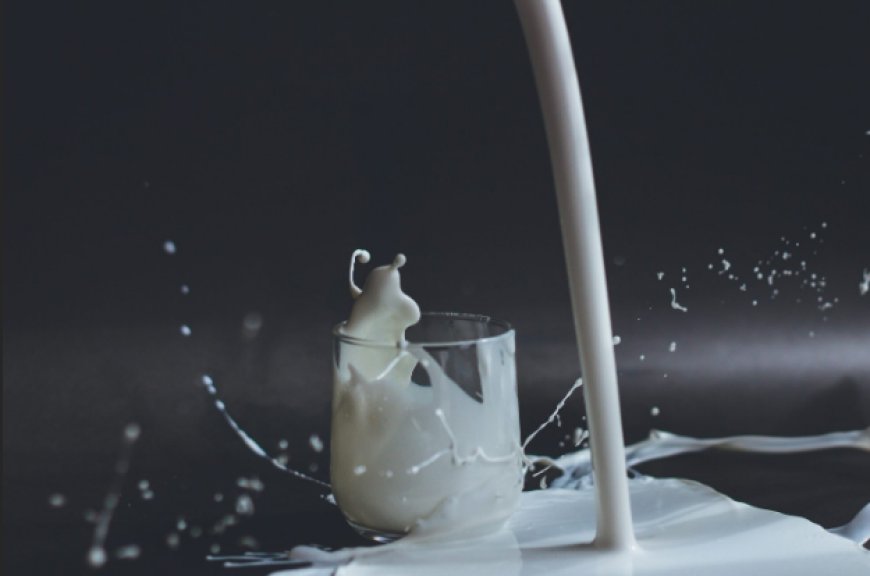
The difference between grass-fed and conventional dairy starts with a simple factor: what the cows eat.
Grass-fed dairy systems rely heavily on pasture and forage, while conventional dairy farms commonly use a mixed ration that can include forage, grains, and other feeds. That difference in diet can affect certain components of the milk, particularly its fatty-acid profile.
However, research does not show that one type of dairy is completely different from the other in every way. Milk from both systems still provides familiar nutrients such as protein, calcium, fat, and other vitamins and minerals.
So, what differences does the research actually support?
What Research Shows About Grass Fed and Conventional Dairy
The Cow's Diet Can Change the Fatty-Acid Profile
One of the clearest differences researchers have found involves the types of fatty acids in milk.
A review of pasture-based dairy research found that milk from cows eating more fresh grass and forage generally contained higher levels of omega-3 fatty acids and conjugated linoleic acid, commonly called CLA. It also tended to have a lower omega-6 to omega-3 ratio than milk from cows receiving more grain-based diets.
This does not mean the basic milk suddenly becomes a completely different food. Instead, the proportion of certain fats changes in response to what the cow eats.
That is why grass-fed dairy is often discussed in relation to fatty-acid composition rather than simply total fat.
Grass Feeding Does Not Automatically Mean More Protein or Calcium
It is easy to assume that if the fatty-acid profile changes, every part of the milk must also become nutritionally different. Research does not support that conclusion. Milk composition is influenced by many things besides the feeding system, including:
-
Cow breed
-
Stage of lactation
-
Season
-
Farm management
-
Overall diet
-
Animal health
A 2023 Journal of Dairy Science study comparing pasture-fed cows with cows receiving a total mixed ration found clear differences between the milks. Grass-fed milk had a more favorable fatty-acid profile, including a higher proportion of unsaturated fats. However, milk from cows fed the total mixed ration contained higher levels of total solids, lactose, and protein.
So, when comparing grass-fed and conventional dairy, it is more accurate to focus on specific differences supported by research rather than assuming grass-fed dairy contains more of every nutrient.
Not All Grass-Fed Dairy Is Exactly the Same
The term " grass-fed " can sound like every cow is eating the same diet, but real farming systems are more complicated. Pastures vary by region, season, weather, and the types of plants growing in them. Some cows may eat mostly fresh pasture during warmer months and stored forage such as hay during colder periods.
Even the type of grass or forage can influence milk composition.
This means two grass-fed farms can produce milk with somewhat different nutritional profiles.
The same is true for conventional dairy. Conventional farms may use different combinations of forage, grain, and other feeds.
Research, therefore, compares feeding patterns rather than treating every farm within one category as identical.
Organic and Grass Fed Are Different Labels
Another common source of confusion is the relationship between grass-fed and organic dairy. They can overlap, but they do not mean the same thing.
Organic dairy must follow specific USDA production and feed requirements. Organic ruminants must graze pasture during the grazing season and receive at least 30% of their dry matter intake from pasture, but they may also receive other certified organic feed, including hay and grain.
That means organic cream may come from cows that graze pasture while also receiving certified organic grain. It should not automatically be interpreted as 100% grass fed.
Likewise, grass-fed dairy does not automatically mean the farm is certified organic.
Regenerative Dairy Adds Another Layer
Regenerative milk is also appearing more often in discussions about dairy farming. Regenerative agriculture generally focuses on farming practices designed to improve areas such as soil health, pasture quality, biodiversity, and long-term land management.
Some regenerative dairy farms use rotational grazing and forage-heavy diets, so regenerative and grass-fed practices can overlap.
Recent research comparing grazing-based regenerative farms with a conventional feeding system found differences in several milk fatty acids, including higher levels of certain omega-3 fats on some of the regenerative farms. However, the researchers also found variation between farms, showing why regenerative dairy should not be treated as one uniform production system.
Farming Claims Do Not Describe the Whole Finished Food
The dairy source is only one part of foods made with milk or cream. For example, knowing that a dessert contains grass-fed milk tells you something about the dairy ingredient. It does not tell you how much sugar is present, what flavorings are used, or whether other ingredients are organic.
The same applies to marketing phrases such as clean sweetener. Such wording may be used to describe a sweetening approach, but it does not provide information about whether the dairy came from grass-fed cows.
Different claims answer different questions.
When evaluating a finished product, it is better to read the dairy claim, ingredient list, and Nutrition Facts panel separately instead of assuming one label describes everything inside.
Does Grass-Fed Dairy Taste Different?
It can, but the difference is not always dramatic. A cow's diet can influence compounds in milk that affect flavor and aroma. Fresh pasture can sometimes produce slightly different flavor characteristics compared with diets containing more grain.
However, processing also matters.
Pasteurization, homogenization, fat level, storage, and the way milk is used in products such as cheese, yogurt, or ice cream can all influence what people eventually taste.
For that reason, the feeding system alone does not guarantee that every shopper will notice a clear flavor difference.
Conclusion
Research shows that the most consistent difference between grass-fed and conventional dairy is found in the milk's fatty-acid profile. Greater pasture and forage intake is commonly associated with more omega-3 fatty acids and CLA, while many basic nutritional characteristics remain similar.
At the same time, neither category represents one identical farming system. Cow breed, season, pasture quality, farm management, and processing can all influence the final milk.
Understanding those limits helps consumers interpret grass-fed, organic, conventional, and regenerative dairy claims without expecting a single label to explain the entire product.
FAQs
Is grass-fed milk always from cows kept outdoors?
Not necessarily all year. Cows may graze outdoors when pasture conditions allow and receive stored forage such as hay when fresh pasture is unavailable.
Can grass-fed dairy have different fat levels?
Yes. Grass-fed describes the cow's feeding system, not whether the milk is whole, reduced fat, low fat, or skim.
Does pasteurization remove the differences between grass-fed and conventional milk?
Pasteurization changes milk for food safety, but research has found that some feeding-related fatty-acid differences can remain after normal dairy processing.
Is grass-fed dairy automatically better for everyone?
No single dairy type is automatically best for every person. Individual nutrition needs, allergies, lactose tolerance, overall diet, price, and personal preferences all matter when choosing dairy.
What's Your Reaction?
 Like
0
 Dislike
0
 Love
0
 Funny
0
 Angry
0
 Sad
0
 Wow
0