















How Hearing Aids Can Improve Your Everyday Listening Experience
Discover how hearing aids can enhance your everyday listening experience by improving speech clarity, reducing listening difficulties, and helping you communicate more confidently in social settings and daily activities.

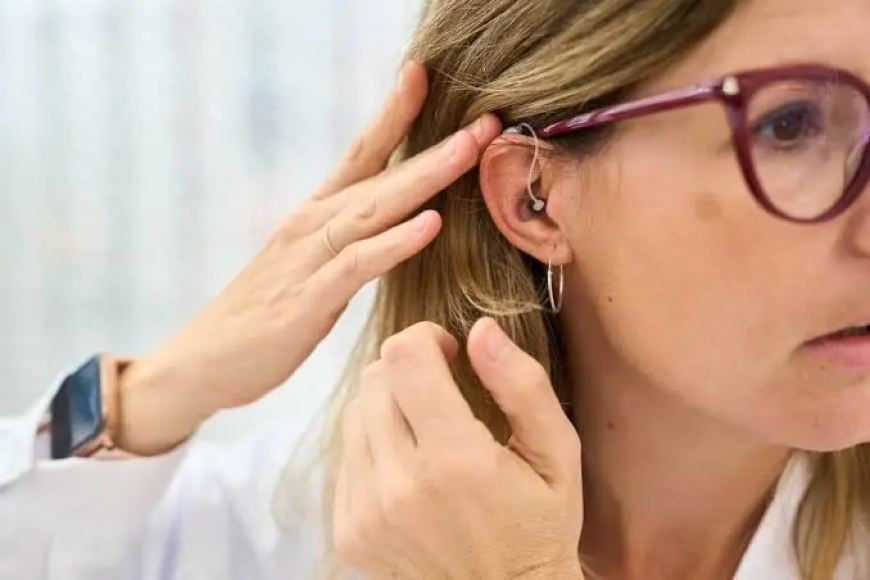
Imagine enjoying a conversation with family without constantly asking someone to repeat themselves, following a discussion in a busy restaurant, or hearing the little sounds of everyday life that you may have been missing. For people experiencing hearing difficulties, these simple moments can sometimes become challenging. Fortunately, modern hearing aids offer practical solutions that can make everyday listening easier, more comfortable, and more enjoyable.
Hearing technology has advanced considerably, with many devices now designed to provide clearer sound, comfortable wear, and convenient features for different lifestyles. Whether you are exploring hearing solutions for yourself or helping a loved one, understanding how hearing aids work and what benefits they offer can help you make an informed decision.
Understanding How Hearing Aids Work
Hearing aids are compact electronic devices that help people with hearing loss hear sounds more clearly. Most devices use three essential components: a microphone to capture sound, a processor or amplifier to adjust it, and a speaker to deliver the processed sound to the ear.
Modern hearing aids can do more than simply increase volume. Depending on the model, they may offer features such as directional microphones, background noise management, feedback reduction, and adjustable listening programs. These functions can help users focus on speech and adapt to different listening environments.
However, hearing loss varies from person to person, so the right solution depends on individual needs, the type and degree of hearing difficulty, and everyday listening habits. A professional hearing assessment is an important starting point when choosing suitable hearing aids.
Five Ways Hearing Aids Can Improve Everyday Listening
1. Make Conversations Easier to Follow
Communication is one of the most important parts of everyday life. Whether you are talking with family, speaking to colleagues, or catching up with friends, difficulty hearing words can make conversations tiring and frustrating.
Hearing aids can improve access to speech by making important sounds easier to hear. Some models also use directional microphones and noise management to help users focus on a nearby speaker in challenging environments.
Although hearing aids cannot eliminate every communication difficulty, they can make many conversations more manageable. Better access to speech may also help users participate more confidently in social activities.
2. Help You Enjoy Everyday Sounds Again
Life is filled with sounds that are easy to overlook until hearing becomes difficult. The doorbell ringing, birds singing outside, a favorite song playing, or a family member calling from another room can all contribute to a richer daily experience.
Hearing aids can make many environmental sounds more noticeable by amplifying sounds that are difficult to hear. The experience varies depending on the user's hearing profile and the device's capabilities, but improved awareness of familiar sounds can make everyday activities feel more engaging.
With time and consistent use, users may also become more comfortable recognizing sounds they have not heard clearly for a while.
3. Support Communication in Different Environments
Listening at home is often different from listening in a crowded café, shopping center, workplace, or family gathering. Background conversations, traffic, music, and other competing sounds can make it harder to understand speech.
Many modern hearing aids offer different listening programs or sound-processing features to help users manage these situations. Depending on the model, settings may be adjusted to suit quieter surroundings or more demanding listening environments.
Choosing hearing aids with features that match your daily routine can make a meaningful difference. People who frequently attend meetings or social gatherings may have different priorities from those who mainly need assistance with conversations at home.
4. Encourage Social Connection and Confidence
When hearing conversations becomes difficult, some people begin avoiding phone calls, group gatherings, or activities they once enjoyed. Over time, communication challenges may affect confidence and make social interaction feel more exhausting.
Appropriate hearing aids can help people participate more comfortably in conversations and stay connected with the people around them. Being able to follow discussions more easily may reduce some of the frustration associated with repeatedly missing words.
Hearing aids are not a complete solution for every communication challenge, but they can be a valuable part of maintaining social engagement. Family support, clear communication habits, and professional guidance can further improve the experience.
5. Make Everyday Listening More Convenient
Comfort and convenience matter when choosing a device you may wear regularly. Modern hearing aids come in different designs, including behind-the-ear and in-the-ear styles, allowing users to explore options that suit their preferences.
Depending on the device, useful features may include rechargeable batteries, simple volume controls, Bluetooth connectivity, or discreet designs. These features can make daily use easier, although availability varies by model.
When comparing hearing solutions, consider how easily the device can be inserted, cleaned, charged, and adjusted. A comfortable fit and straightforward controls can be just as important as advanced sound technology.
Choosing Hearing Aids for Comfort and Clarity
Finding suitable hearing aids involves more than selecting a device with attractive features. Comfort, sound quality, ease of use, and suitability for your hearing needs should all influence your decision.
Look for devices that offer an appropriate fit, manageable controls, and features relevant to the situations in which you experience the most difficulty. If you regularly struggle to hear conversations in noisy places, ask about noise management and directional microphones. If convenience is a priority, consider whether rechargeable options would suit your routine.
It is also important to understand the difference between prescription hearing aids and over-the-counter options. In the United States, over-the-counter hearing aids are intended for adults aged 18 and older with perceived mild to moderate hearing loss. More complex or severe hearing difficulties may require professional evaluation and different treatment options.
If you are comparing products and planning your budget, researching Audien Hearing discounts can help you explore available savings before making a purchase. Be sure to review the device's specifications, return policy, warranty, and suitability for your needs rather than basing your decision on price alone.
Simple Tips for Getting the Most from Hearing Aids
Adjusting to hearing aids takes patience. Sounds may initially seem unusually loud, unfamiliar, or different from what you remember. Giving yourself time to adapt can make the transition more comfortable.
Consider these practical tips:
-
Start gradually: Follow the manufacturer's instructions and any recommendations from your hearing care professional as you get used to your device.
-
Practice in quiet settings: Begin with one-to-one conversations before trying more challenging listening environments.
-
Keep devices clean and dry: Follow the care instructions to help maintain performance and prevent avoidable damage.
-
Check the fit: A hearing aid should feel secure and comfortable. Seek advice if it causes persistent discomfort or feedback.
-
Schedule follow-ups: Professional adjustments can help address ongoing listening difficulties and ensure your hearing needs are being met.
Remember that hearing aids improve access to sound but do not restore normal hearing or eliminate all background noise. Realistic expectations, appropriate device selection, and consistent care are essential to achieving the best possible experience.
When Should You Consider a Hearing Assessment?
You may benefit from a hearing evaluation if you frequently ask people to repeat themselves, struggle to follow conversations in noisy places, increase the television volume more than others prefer, or find it difficult to hear speech over the phone.
Hearing difficulties can develop gradually, making changes easy to overlook. A qualified hearing professional can assess your hearing, identify possible causes, and explain which options may be appropriate.
Seek prompt medical attention for sudden hearing loss, particularly if it develops over a short period. Sudden hearing changes should not be treated simply by purchasing a hearing aid, as urgent assessment may be necessary.
Conclusion
Hearing aids can make a meaningful difference in everyday life by improving access to conversations, familiar sounds, and social experiences. With features designed for comfort, sound clarity, and convenience, modern hearing solutions offer options for people with different listening needs and lifestyles.
The key is to choose a suitable device, understand its features and allow time to adjust. By combining informed product research with appropriate hearing care, you can take practical steps toward more comfortable listening, stronger communication, and greater confidence in everyday situations.
What's Your Reaction?
 Like
0
 Dislike
0
 Love
0
 Funny
0
 Angry
0
 Sad
0
 Wow
0