











How Does Laser Hair Removal in Dubai Work?
Learn how laser hair removal in Dubai works, how light energy targets hair follicles, what happens during treatment, and what affects long-term hair reduction results.

Managing unwanted hair through shaving, waxing, and threading can become a repetitive part of personal grooming. These methods provide temporary results, meaning hair usually returns and requires regular removal. People looking for a longer-lasting alternative often explore modern laser technology to reduce unwanted hair growth.
Laser Hair Removal in Dubai works by directing concentrated light energy towards the pigment inside hair follicles. The absorbed energy produces heat, which damages the follicle and reduces its ability to grow new hair. Over multiple sessions, this process can lead to finer regrowth and a noticeable reduction in hair density.
Understanding the science behind the procedure can help you know what happens during treatment, why several appointments are necessary, and which factors influence the results.
The Science Behind Laser Hair Removal in Dubai
Laser hair removal is based on a process called selective photothermolysis. In simple terms, this means using a specific wavelength of light to target a particular structure without unnecessarily affecting the surrounding tissue.
Hair contains a natural pigment called melanin, which absorbs the laser energy. When the light reaches the hair follicle, it converts into heat and affects the structures responsible for producing hair.
The surrounding skin is protected as much as possible through appropriate wavelength selection, energy settings, and cooling technology.
The effectiveness of this process depends on the contrast between hair pigment and skin pigmentation, which is why selecting suitable equipment is important.
How the Treatment Process Works
The procedure follows several stages, beginning with an assessment of the skin and hair. The treatment settings are selected according to the individual's characteristics and the area being addressed.
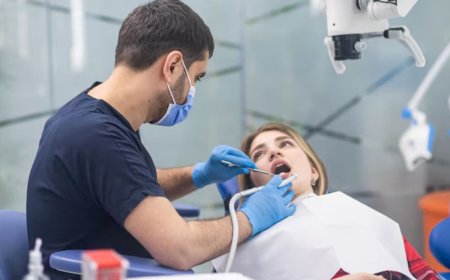
Before the procedure, the targeted area is cleaned and prepared. Protective eyewear is worn to prevent exposure to laser light.
A handheld device is then moved across the skin, delivering controlled pulses of energy. These pulses target the pigment in the hair and transfer heat towards the follicle.
Some systems use integrated cooling technology to improve comfort and protect the surface of the skin. The sensation may feel like a brief warm snap or mild prickling, although individual experiences differ.
Once the session is complete, the skin may look slightly pink or feel warm for a short time.
Why Does Laser Hair Removal Require Multiple Sessions?
One important feature of hair growth is that not every follicle produces visible hair at the same time. Hair generally moves through three main stages: anagen, catagen, and telogen.
Anagen: Active Growth Phase
During this stage, hair is actively growing and connected to the structures responsible for its development. Laser treatment is generally most effective when hair is in this phase because the follicle contains sufficient pigment for targeting.
Catagen: Transitional Phase
This is a short period when hair growth slows and the follicle begins to shrink. Hair in this stage may not respond to treatment as effectively as actively growing hair.
Telogen: Resting Phase
During the resting stage, the hair is no longer actively growing and eventually sheds. The follicle may later enter another growth cycle.
Because follicles follow different growth schedules, several treatment sessions are needed to target hair as it enters the active phase.
Which Factors Influence Treatment Effectiveness?
The response to laser treatment depends on several biological and technical factors. Hair colour is particularly important because melanin absorbs the light energy used during the procedure.
Darker hair often responds more effectively than very light hair. Hair thickness also influences how much pigment is available for targeting.
Skin tone plays an important role in selecting the appropriate laser wavelength. Modern systems offer different technologies designed for various skin types, but settings must be selected carefully to minimise unwanted reactions.
Hormonal activity can also affect hair growth. Conditions or changes that stimulate new hair production may influence the number of sessions needed and the possibility of future maintenance.
Understanding Different Laser Technologies
Different laser systems use different wavelengths and have individual treatment characteristics. The most suitable option depends on skin pigmentation, hair characteristics, and the treatment area.
Alexandrite Laser
Alexandrite technology commonly uses a 755 nm wavelength and is often considered for lighter skin tones with darker hair. Its suitability depends on individual assessment and appropriate settings.
Diode Laser
Diode systems commonly operate around the 800–810 nm range. They can be used for various skin types when the correct equipment and treatment settings are selected.
Nd Laser
Nd technology uses a longer wavelength of 1064 nm. It can be particularly useful for darker skin tones because its energy is absorbed less strongly by surface melanin compared with shorter wavelengths.
Choosing between these systems requires consideration of skin safety, hair characteristics, and individual treatment goals.
What Happens to Hair After Each Session?
Laser treatment does not remove every treated hair immediately. Instead, affected hairs gradually loosen and shed over the following days or weeks.
Some areas may show visible improvement earlier than others because hair thickness, growth cycles, and follicle density vary across the body.
With repeated sessions, many individuals notice that regrowth becomes slower, finer, and less dense. Results are gradual rather than immediate, so following the recommended schedule is important.
Does Laser Hair Removal Damage the Skin?
When performed with suitable equipment and carefully selected settings, laser hair removal is generally considered a safe cosmetic procedure. However, temporary redness, swelling, and sensitivity can occur.
Incorrect settings or unsuitable treatment conditions may increase the risk of burns, blistering, or pigmentation changes. Recent tanning, certain medications, and individual skin sensitivities should be discussed before treatment.
Following preparation instructions and avoiding unnecessary sun exposure can help support a safer experience.
How to Support Better Treatment Results
Good preparation and consistent aftercare can make a difference throughout the treatment process. Shaving is usually recommended before an appointment because it removes visible hair while leaving the follicle available for targeting.
Waxing, plucking, and threading should generally be avoided during the treatment course. These methods remove the hair from its root and may interfere with the laser's target.
After treatment, gentle skincare, sun protection, and avoiding excessive heat until the skin settles are useful precautions. Keeping appointments at the recommended intervals also helps target follicles during their active growth stages.
How Long Can the Results Last?
Laser hair removal can provide long-term hair reduction, but results vary between individuals. Some people experience a substantial decrease in hair growth, while others may require additional sessions to manage remaining hair.
Hormonal changes, genetics, and the original hair growth pattern can influence long-term outcomes. Occasional maintenance sessions may be useful when regrowth occurs.
It is important to understand the difference between permanent hair reduction and complete permanent hair removal. The procedure aims to reduce hair growth rather than guarantee that every follicle will stop producing hair forever.
Final Thoughts
Understanding the science behind laser technology makes it easier to set realistic expectations and choose an appropriate hair reduction approach. The procedure targets hair follicles through controlled light energy, while repeated sessions help address follicles at different growth stages. Individual skin characteristics, hair pigmentation, and treatment consistency all influence the outcome. If you are exploring Laser Hair Removal in Dubai, TAJMEELS CLINIC can help you learn about suitable options for achieving smoother skin and reducing unwanted hair growth.
For More Details, Contact Us Through:
WhatsApp: +971 56 203 8751
Phone: +971 4 373 9000
Social Media:
What's Your Reaction?
 Like
0
 Dislike
0
 Love
0
 Funny
0
 Angry
0
 Sad
0
 Wow
0