


















How Long Does It Take to Recover After a Hair Transplant?
How Long Does It Take to Recover After a Hair Transplant?

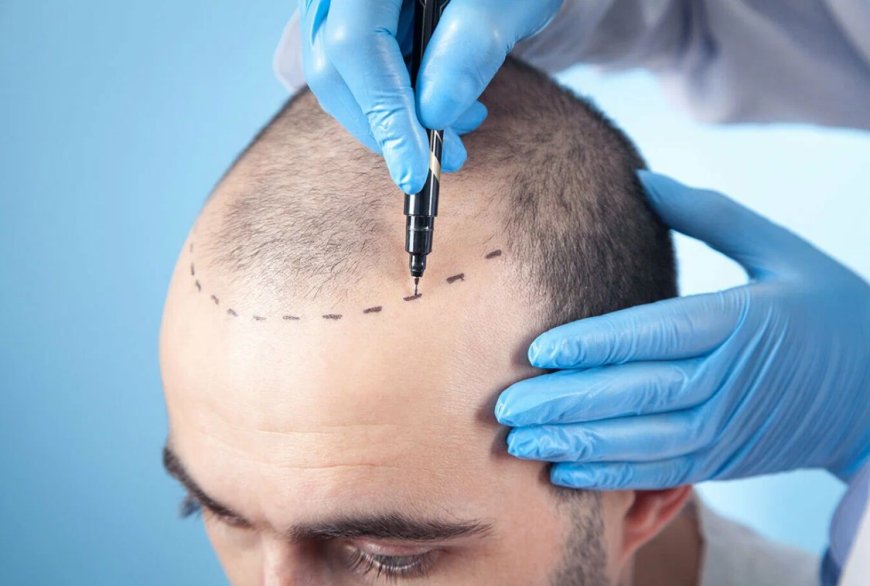
How Long Does It Take to Recover After a Hair Transplant
Undergoing a hair transplant is a structured medical journey. While you can return home the same day as your procedure, true recovery happens in distinct physical phases—ranging from initial surface healing to the final maturation of your new hair.
Hair Transplant in Jeddah offers a potential solution for restoring natural-looking hair and improving confidence.
Understanding the recovery timeline helps you protect your newly implanted grafts and set realistic expectations for your results.
1. The Immediate Recovery Phase (Days 1 to 10)
This is the most delicate window post-procedure, where your primary focus is allowing the grafts to anchor securely.
-
Days 1 to 3: Mild swelling around the forehead and minor tenderness at the donor and recipient sites are normal. You will be advised to sleep with your head elevated on pillows or in a recliner to minimize swelling.
-
Days 4 to 7: Tiny micro-scabs form around each newly implanted graft and donor punch site. You can usually begin gentle, approved hair-washing techniques to soften and remove these scabs without dislodging the roots.
-
Day 10: By the end of the first week to ten days, most surface scabs flake off, and the donor area begins to heal significantly. Most patients feel comfortable returning to a light, non-strenuous daily routine.
2. The Shedding and "Shock Loss" Phase (Weeks 2 to 6)
Do not be alarmed if your recovery hits an unexpected visual milestone during this window:
-
The Hair Shedding: Between week two and week six, the newly transplanted hair shafts will typically fall out.
-
The Science Behind It: This is a completely normal biological reaction known as shock loss. While the visible hair strands shed, the living hair follicles remain safely embedded beneath the scalp, entering a temporary resting phase before sprouting fresh growth.
3. The New Growth Phase (Months 3 to 6)
Patience is tested during the early months, but this is when visible progress begins:
-
Sprouting: Around the 3-month mark (extending through month 6), new, fine baby hairs begin to break through the scalp.
-
Density Increase: Density, thickness, and caliber increase steadily over this period as the follicles transition into an active anagen (growth) cycle.
4. Final Maturation and Results (Months 12 to 18)
-
The 1-Year Mark: By the 12-month mark, the vast majority of the transplanted hair has grown in, matured, and blended seamlessly with your native hair.
-
Final Window: Hair texture, curl, and thickness continue to refine up to 18 months post-procedure, allowing you to cut, style, and treat your hair just like the rest of your natural locks.
Essential Rules for a Smooth Recovery
To ensure optimal graft survival and secure your investment, follow these critical recovery guidelines:
-
Avoid Strenuous Activity: Refrain from heavy lifting, intense workouts, and excessive sweating for at least 2 weeks to prevent blood pressure spikes that can disrupt newly anchored grafts.
-
Protect Your Scalp from the Sun: Newly transplanted grafts lack normal defense mechanisms and are highly sensitive to ultraviolet (UV) radiation. Avoid direct sun exposure and wear a loose, surgeon-approved hat if stepping outdoors during the initial healing weeks.
-
Follow Washing Protocols: Never pick at scabs manually; rely strictly on the gentle rinsing and cleansing guidelines provided by your clinical team.
Are you preparing for an upcoming procedure, or would you like to review how to manage your daily routine during the first two weeks post-transplant?
What's Your Reaction?
 Like
0
 Dislike
0
 Love
0
 Funny
0
 Angry
0
 Sad
0
 Wow
0




