















How Mulch and Wood Chips Help Protect Soil
Learn how mulch and wood chips can protect exposed soil while helping with moisture retention, erosion control, weed growth, and landscape maintenance.

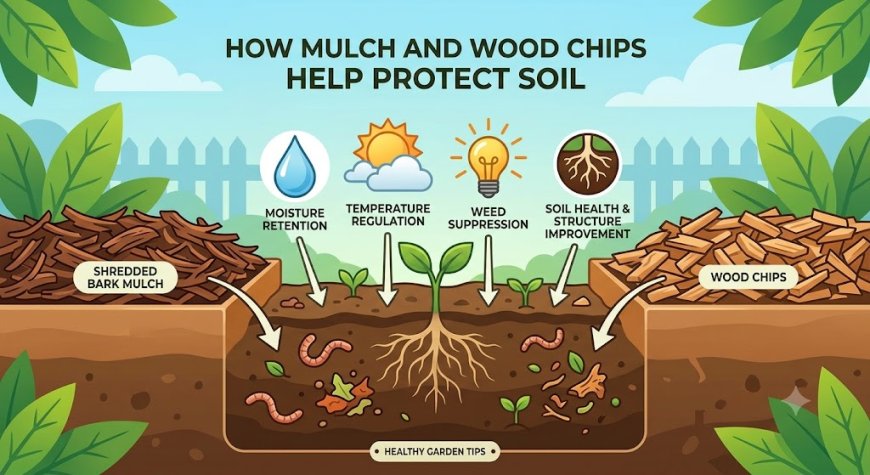
Walk into a garden after a few weeks of rough weather and you can usually tell which areas have been looked after. Some beds still look neat. Others have soil scattered around, little dry patches, and dirt sitting where it should not be. It happens.
One easy thing we can do is cover the exposed ground. Landscape wood chips work well for this because they put a layer between the soil and whatever is going on above it. Rain, sun, people walking around... the soil does not have to take all of it directly.
Rain Can Make a Mess
A good rain is great for the garden. The trouble starts when the water comes down fast.
On uncovered soil, water can splash dirt around and carry loose soil toward the edge of a bed. You may not notice much after one rainy day. Give it some time, though, and the shape of the bed can start changing.
Wood chips give the rain something else to hit first. The water moves through the layer instead of landing straight on loose soil.
It is a pretty simple idea, really.
Soil Needs a Cover Too
We often think about protecting plants, but the soil gets overlooked.
Bare ground sits out in the sun all day. Then it gets wet. Then it dries again. If people or pets keep stepping around the same area, the surface can also become hard.
Mulch gives that top layer a bit of protection. It does not mean the soil will never become compacted or dry out. Gardening is rarely that simple. But covering the ground can make the area easier to manage.
What Happens When the Soil Dries Out?
You water the plants. A day or two later, you look down and the surface looks dry again.
Yep... we have all seen that.
Putting mulch over the soil can help slow down moisture leaving the surface. It gives the ground some cover instead of leaving it completely open to the air and sun.
We still need to water the plants when they need it. The mulch is not doing the watering for us. It is just helping the soil hold onto some of that moisture a little longer.
Less Dirt Where You Do Not Want It
Here is a small benefit that people sometimes notice only after adding mulch.
The garden looks less messy.
Without a cover, loose soil can end up on paths, around stepping stones, or along the edge of the lawn. Add wood chips and there is a clear surface around the plants.
It also helps hide those little bare areas that make a finished landscape look unfinished. Nothing wrong with bare soil, of course. But if the goal is a clean-looking garden bed, mulch makes that much easier.
What About Weeds?
Mulch can also make dealing with weeds a little less annoying.
A covered soil surface gives weeds less open space to grow through. You will still see some. Anyone who has spent time in a garden knows weeds are stubborn little things.
So, do not expect wood chips to solve the whole weed problem. They are simply another tool we can use along with pulling, trimming, and regular garden care.
Do Not Just Dump It Anywhere
This part is easy to rush.
Before putting down wood chips, we should look at the area first. Remove unwanted growth, check where water normally travels, and make sure the soil is reasonably even.
Then spread the material rather than creating one giant pile.
Around trees and plants, leave some space around the stems and trunks. There is no need to press mulch right up against them.
The type and size of the chips can also change the look of the space. Some people like a finer, more even appearance. Others prefer larger pieces that give the garden a rougher, more natural feel.
A Simple Way to Look After the Ground
Mulch does not need to be complicated. We are basically giving the soil a cover and letting that cover take some of the daily wear.
When we use landscape wood chips in the right areas, they can help reduce soil movement, slow moisture loss, and keep garden beds looking cleaner. And when the layer gets thin or starts looking tired, we can freshen it up.
Sometimes a landscaping job really is that simple.
Frequently Asked Questions
1. Why should we cover bare soil with wood chips?
Covering bare soil can help protect the surface from rain, sun, wind, and everyday activity. It can also make the area look more finished.
2. Can wood chips help keep soil from washing away?
They can help reduce soil movement caused by rain, especially in garden beds and areas where water tends to run across the surface.
3. Do wood chips mean we can water less?
Not necessarily. Plants still need water. Wood chips can help slow moisture loss from the soil, but they do not replace normal watering.
4. Can we use wood chips around trees?
Yes, but do not pile them directly against the trunk. Leave a little space around the trunk and spread the chips across the surrounding soil.
5. When should we add more mulch?
Look at the bed instead of following a strict schedule. If the chips have become very thin, uneven, or have broken down considerably, adding some fresh material may be worthwhile.
What's Your Reaction?
 Like
0
 Dislike
0
 Love
0
 Funny
0
 Angry
0
 Sad
0
 Wow
0