
















How Pool Renovation Can Improve Safety, Comfort, and Appearance

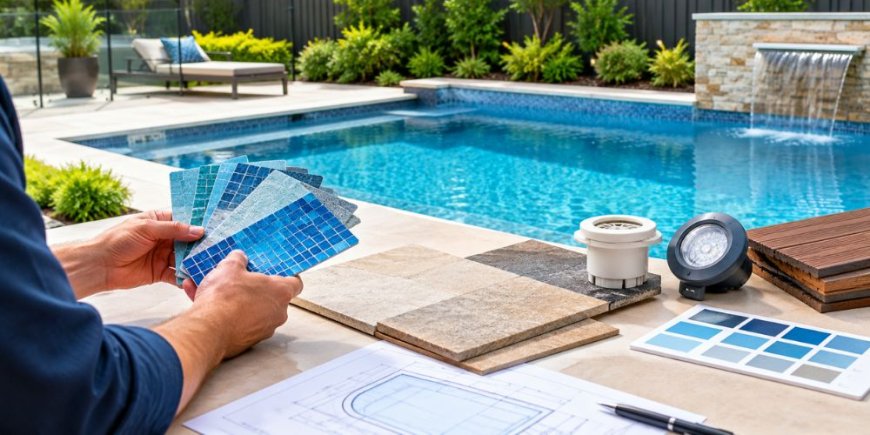
A pool can change the feel of your entire backyard, but an older pool may not look or feel the way it once did. Faded surfaces, cracked tiles, worn coping, and an outdated design can make the space feel tired. In some cases, these problems can also make the pool harder to clean and maintain.
A Swimming Pool Renovation can help bring the pool back to life without always requiring a complete rebuild. From the pool surface and tile to the coping, deck, and other features, each material plays a role in the final result. The right choices can improve the pool's look, comfort, safety, and ease of maintenance.
Before starting a renovation, it is worth looking at the available materials and understanding how each one can work for your pool. This can help you choose options that fit your style, needs, and long-term plans.
Check the Pool Before Choosing Materials
Before buying new materials, check the current condition of the pool. Different problems may need different solutions, so knowing what needs to be repaired can help you make better choices.
For example, a pool with a worn surface may need a new finish. Cracked or loose tiles may need to be replaced. If the pool deck has cracks or damaged areas, it may also need to be repaired or replaced.
Look for signs such as:
-
Cracks in the pool surface
-
Loose or broken tiles
-
Rough pool surfaces
-
Stains or discoloration
-
Damaged pool coping
-
Cracks in the pool deck
-
Water leaks
-
Worn or faded finishes
Finding these problems before starting the work can help you choose materials that are suitable for the condition of your pool.
Choose the Right Pool Finish
The pool finish covers the inside surface of the pool. It has a big effect on how the pool looks and feels.
During a Swimming Pool Renovation, you can choose from several types of pool finishes. Each one has its own look, feel, cost, and care needs.
Plaster
Plaster has been used in swimming pools for many years. It gives the pool a smooth surface and is available in different colors.
White plaster can give the pool a clean and bright look. Other colors can create different shades of blue or green in the water.
Plaster can be a good choice for homeowners who want a simple pool finish. However, it can become rough or stained as it gets older, especially if the pool is not properly maintained.
Quartz
Quartz finishes are made by mixing small quartz pieces with a cement-based pool finish. They offer more color choices and a different look compared with plain plaster.
Quartz can provide a smooth finish while adding some texture and color to the pool. It can be a good option for homeowners who want something more than a basic plaster finish.
Pebble
Pebble finishes contain small stones that are placed into the pool surface. They can give the pool a natural look and work well with outdoor spaces that use stone or other natural materials.
Pebble finishes are available in different colors and styles. The surface is more textured than plaster, so it may feel different when walking in the pool.
Glass Tile
Glass tile can give a pool a bright and colorful appearance. It reflects light from the water and can make certain parts of the pool stand out.
Glass tile is often used around the waterline, steps, benches, or as a decorative feature. Using it in smaller areas can also help control the overall renovation cost.
Select Pool Tiles for the Right Area
Pool tiles are available in many colors, sizes, shapes, and designs. They can be used around the waterline, steps, walls, benches, and other parts of the pool.
When choosing tiles for your Swimming Pool Renovation, make sure they are made for pool use. Indoor tiles are not always suitable for areas that are exposed to water, pool chemicals, and outdoor weather.
Ceramic Tiles
Ceramic tiles are available in many designs and can be used to create a simple or decorative look. They can work well for certain pool areas when the right type is selected.
Porcelain Tiles
Porcelain is another common choice for pools. It is strong, easy to clean, and available in many styles.
Porcelain tiles can be used for waterline areas, pool walls, steps, and outdoor areas. Their clean appearance also makes them a good fit for modern pool designs.
Glass Tiles
Glass tiles are a good option when you want more color and shine. They can create a bright look when sunlight hits the water.
You can use glass tiles across a larger area or use them as a small design feature around the pool.
Choose Strong Pool Coping
Pool coping is the material placed around the top edge of the pool. It gives the pool a finished look and creates a clear edge between the pool and the surrounding area.
Coping is exposed to water, sunlight, weather, and foot traffic, so it needs to be strong enough for regular use.
Some common choices include:
-
Natural stone
-
Concrete
-
Brick
-
Porcelain
-
Pavers
Natural stone can give the pool a warm and natural look. Concrete offers many design choices, while porcelain can create a clean and modern appearance.
It is also important to think about how hot the coping gets in direct sunlight. A material that becomes very hot may not be comfortable for people walking around the pool.
Pick the Right Pool Deck Material
The pool deck is another important part of a pool renovation. It is the area where people walk, sit, and spend time around the pool.
Concrete is a common choice because it can be made in different colors, shapes, and patterns. It can also be finished to match the style of the pool.
Pavers are another option. They come in many designs and can be replaced one at a time if a small section becomes damaged.
Natural stone can also create a beautiful outdoor look. However, the stone should be suitable for use around a swimming pool.
No matter which material you choose, make sure the surface provides good grip when it gets wet. This can help make the pool area safer for everyone.
Keep Safety in Mind
Safety should be considered when choosing every material around the pool.
Water can make many surfaces slippery, so pool decks, steps, coping, and other walking areas should have enough grip.
You should also think about the surface texture. A surface that is too smooth may become slippery when wet. On the other hand, a surface that is too rough may be uncomfortable to walk on.
The goal is to find a material that looks good, feels comfortable, and provides a safe surface for regular pool use.
Think About Cleaning and Maintenance
Every pool material needs some care, but the amount of maintenance can be different.
Before choosing a material, find out how easy it is to clean and what type of care it needs. Some surfaces may show stains more easily, while others may need sealing or special cleaning products.
Consider questions such as:
-
How often does the material need to be cleaned?
-
Is it easy to remove stains?
-
Does it need sealing?
-
How does it react to pool chemicals?
-
How long can it last?
-
Can damaged areas be repaired?
-
How much does replacement cost?
A material that costs less at first may require more care later. Looking at the long-term cost can help you make a better choice for your pool.
Think About Sun and Weather
Outdoor pool materials are exposed to the weather every day. Sun, heat, rain, and moisture can all affect the way materials look and perform.
If your pool gets a lot of direct sunlight, choose materials that can handle regular sun exposure. Some materials may fade over time if they are not made for outdoor use.
Rain and water are also important factors. Pool decks should have good drainage so that water does not stay on the surface for long periods.
Choosing materials that are made for outdoor pool areas can help them last longer and reduce the need for early repairs.
Match the Materials With Your Pool Style
The materials should also match the look you want for your pool and outdoor space.
For a modern pool, you may prefer simple colors, clean lines, large tiles, and smooth surfaces.
For a more natural look, you could use stone, pebble finishes, and earth-tone colors.
You do not have to use just one material throughout the entire pool area. Mixing materials can create a more interesting design.
For example, you could use a simple pool finish with glass tiles around the waterline and natural stone coping around the pool edge.
The main goal is to make sure the colors, textures, and materials work well together.
Set a Budget Before You Start
Your budget will also help you decide which materials are right for your renovation.
Some materials cost more than others. The total price can also depend on the size of the pool, the amount of repair work needed, and the cost of installation.
Start by making a list of the areas that need work. Then decide where you want to spend more and where you can use simpler materials.
For example, you may choose a higher-quality finish for the pool while using a more affordable tile for a small decorative area.
It is also a good idea to keep some money aside for unexpected repairs. Once old materials are removed, other problems may sometimes be found underneath.
Ask About Installation
The quality of the installation is just as important as the material itself.
Before making a final choice, ask how the material will be installed and what preparation is needed. Proper installation can help your new materials perform well and last longer.
You can also ask:
-
How long will installation take?
-
How should the material be cleaned?
-
What type of maintenance will it need?
-
How long is it expected to last?
-
Can it be repaired if it gets damaged?
-
Are there any special care instructions?
These questions can help you understand what you are choosing and what to expect after the renovation is complete.
Final Thoughts
Choosing the right materials can make a big difference in the results of a Swimming Pool Renovation. The pool finish, tiles, coping, and deck should all work together while being able to handle water, sunlight, weather, and regular use.
Start by checking the condition of your pool and then consider safety, durability, maintenance, design, weather, and budget. You do not always need the most expensive materials. The right materials are the ones that fit your pool and your needs.
If you are planning a pool renovation, experienced Pool builders Palm Beach Gardens can help you understand your options, choose suitable materials, and plan the work based on your pool and outdoor space.
With the right materials and proper installation, your renovated pool can have a fresh look, be easier to care for, and remain enjoyable for many years.
What's Your Reaction?
 Like
0
 Dislike
0
 Love
0
 Funny
0
 Angry
0
 Sad
0
 Wow
0