













How Relaxation Massage Works
Learn how relaxation massage works, the techniques therapists use, potential benefits, what to expect during a session, aftercare tips and important safety considerations.
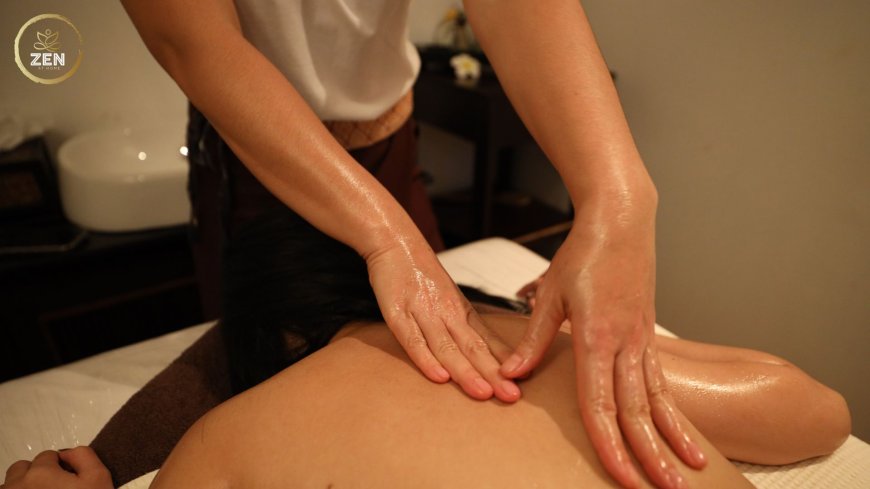
How Relaxation Massage Works: Techniques, Benefits and Aftercare
A busy schedule can leave more than your mind feeling overloaded. Shoulders tighten, muscles feel tired, and switching off at the end of the day becomes harder than expected. A relaxation massage takes a deliberately gentler approach, using comfortable pressure, rhythmic movement and an unhurried pace to help the body settle.
But relaxation massage is more than simply lying down while someone applies light pressure. The techniques, pressure, environment and communication all influence the experience. Understanding how it works can help you know what to expect and decide whether this type of massage matches your needs.
What Is Relaxation Massage?
Relaxation massage is a form of massage therapy primarily intended to promote physical relaxation, ease everyday muscular tension and provide stress relief. Healthdirect describes relaxation massage as massage intended to relax the muscles and help relieve stress.
Read Healthdirect’s overview of massage therapy
The pressure is usually light to moderate, although there is no single pressure level that works for everyone. The therapist should adjust the session according to comfort, sensitivity and personal preference.
Relaxation massage also overlaps considerably with Swedish massage. Swedish methods such as long gliding strokes and kneading are commonly used during a relaxing massage, but the two terms are not completely interchangeable.
Swedish massage describes a group of techniques. Relaxation massage describes the primary purpose and style of the session.
A therapist can therefore use Swedish techniques while maintaining a slow, comfortable rhythm specifically designed around relaxation.
How Does Relaxation Massage Work?
Massage involves manipulating soft tissues such as muscles, fascia, tendons and ligaments using different types of touch and pressure. Mayo Clinic notes that massage therapists vary their strokes and pressure according to the person's needs and treatment goals.
For a relaxation-focused session, the therapist generally avoids sudden movements or unnecessarily intense pressure. Instead, broad and repetitive movements create a predictable treatment rhythm.
The physical effect is relatively straightforward. Kneading, gliding and compression mechanically move and manipulate soft tissues. Areas that feel tense may gradually become more comfortable as the therapist works through them.
There is also the relaxation experience itself. A comfortable table, appropriate warmth, quiet surroundings and steady touch can make it easier for a person to mentally disengage from everyday demands.
Relaxation massage should therefore not be viewed as simply the weakest version of therapeutic massage. It has a different objective.
Techniques Used in Relaxation Massage
A therapist may combine several techniques rather than repeating one movement throughout the session.
Effleurage
Effleurage consists of smooth, gliding strokes across larger areas of the body.
It is often used near the beginning of a massage because it allows the therapist to introduce pressure gradually. These strokes can also connect different parts of the treatment so the session does not feel abrupt or fragmented.
Effleurage is one of the best-known techniques associated with Swedish-style massage.
Petrissage
Petrissage involves kneading, lifting, rolling or gently squeezing soft tissue.
The movement tends to be more specific than effleurage while still remaining comfortable. Therapists may use it around areas such as the shoulders, legs and upper back where everyday muscular tension frequently develops.
Gentle compression
Compression involves applying broad pressure without necessarily sliding across the skin.
The therapist may press gradually through the palms or another appropriate contact surface and then release the pressure slowly.
The key word is comfortable. Pressure should be noticeable without forcing the person to tense against it.
Friction
Friction uses smaller movements over selected areas.
It can provide more focused attention than broad gliding strokes, although a relaxation treatment usually avoids turning friction into aggressive deep-tissue work.
Rocking and vibration
Gentle rocking, shaking or vibration can also be incorporated.
Research protocols describing relaxation massage have included effleurage, petrissage, circular friction, vibration, rocking and holding among the techniques used in full-body relaxation treatments.
What Are the Potential Benefits of Relaxation Massage?
The strongest reason to choose this type of massage is usually simple: you want to relax.
Massage therapy is also studied for stress, muscular tension, pain and other concerns, although results depend on the person and condition. Mayo Clinic notes that massage may help support relaxation, reduce stress and ease muscle stiffness or tension, while also emphasizing that benefits vary and more research is needed in several areas.
See Mayo Clinic’s evidence-based massage therapy guidance
Stress relief
People often choose a stress relief massage after demanding periods at work, travel, poor rest or simply when they feel mentally overloaded.
A quiet massage session creates a defined period in which there is little to do except rest. For many people, that alone is valuable.
Massage should not, however, be presented as a treatment that cures an anxiety disorder or replaces professional mental healthcare. Research suggests possible benefits for anxiety, but NCCIH notes that larger and higher-quality studies are still needed before definite conclusions can be drawn.
Relief from everyday muscle tension
Muscles around the shoulders, back, neck and legs can feel tense after prolonged sitting, repetitive activities or ordinary physical exertion.
A relaxing massage may make those areas feel more comfortable without using the deeper pressure associated with deep tissue treatment.
That makes relaxation massage particularly suitable for people who want their muscles worked but do not enjoy highly intense pressure.
A calmer transition into rest
Some people book massage late in the day because they find the experience helps them transition from activity into rest.
A home-based study has also investigated relaxation massage before bedtime in people with chronic insomnia symptoms. The study used full-body techniques including effleurage, petrissage, tapotement, friction and vibration.
This does not mean massage guarantees better sleep. Sleep difficulties can have many causes, and persistent insomnia deserves appropriate healthcare assessment.
General wellbeing
Not every benefit of massage needs to be framed as treatment for a medical condition.
Taking an uninterrupted period to rest, reduce physical tension and temporarily disconnect from normal responsibilities can itself be worthwhile.
Full Body Relaxation Massage vs Targeted Massage
A full body relaxation massage generally works across several regions rather than spending the entire appointment on one muscle group.
The therapist might include the back, shoulders, arms, hands, legs and feet depending on the agreed session and personal preferences.
That does not mean every area receives identical pressure or equal time.
Someone whose shoulders feel particularly tight may want more attention there while still receiving an overall full-body treatment.
A targeted session takes the opposite approach. More of the appointment may be dedicated to one or two regions.
For general relaxation, a full-body approach often makes sense. For a specific persistent problem, a more focused therapeutic massage or another form of professional assessment may be more appropriate.
Relaxation Massage vs Therapeutic Massage
These terms occasionally overlap, but their emphasis differs.
A relaxation massage normally prioritizes comfort, general muscle relaxation and stress reduction. A therapeutic massage is more likely to focus on a specific physical concern or treatment objective.
Cleveland Clinic explains that therapeutic massage can focus on a particular area for an extended period and may involve deeper work than a relaxation massage.
Neither is automatically better.
Choose according to what you actually want from the session.
If your main goal is unwinding and easing general tension, relaxation massage makes sense. If you have a specific injury, persistent pain or functional problem, you may need a more targeted approach and, depending on the symptoms, medical assessment.
Relaxation Massage vs Deep Tissue Massage
Deep tissue massage typically uses slower, more concentrated pressure to work through deeper soft-tissue layers.
Relaxation massage usually stays lighter and broader.
That distinction matters for people who assume a massage only “works” when it hurts. Intense pressure is not required for every treatment goal.
If your objective is simply to decompress after a demanding week, stronger pressure may provide no additional advantage.
Comfort is part of the treatment, not a sign that the massage is ineffective.
What Happens During a Relaxation Massage?
A professional session should start with communication.
Your therapist may ask about:
- Your reason for booking
- Preferred pressure
- Sensitive areas
- Previous injuries
- Current health conditions
- Recent procedures or surgery
- Pregnancy
- Allergies or sensitivity to massage products
- Areas you do not want treated
This information helps determine how the session should be adapted.
You should only remove clothing to the level that feels comfortable. Professional massage typically uses sheets or towels so only the area currently being treated is exposed. Mayo Clinic similarly notes that clients may undress only to the point that feels right to them.
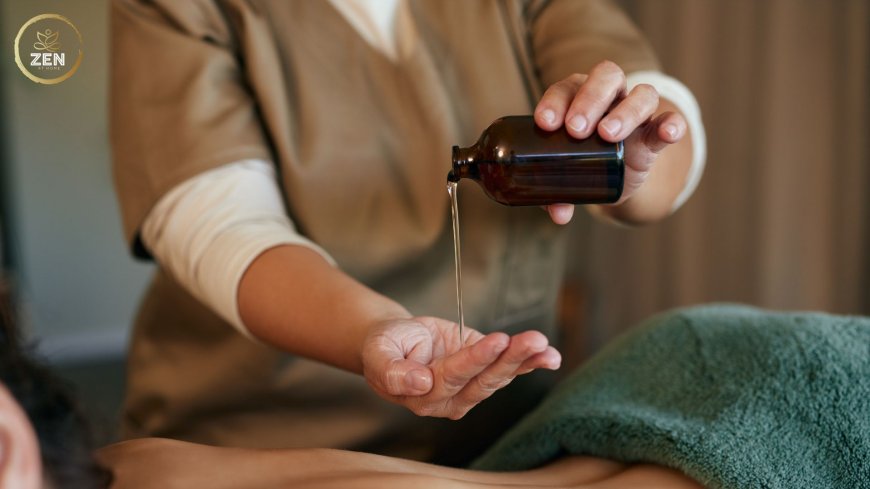
The therapist may use oil or lotion to reduce friction.
Once treatment begins, pressure should build gradually rather than abruptly. A relaxation session should generally feel calm, predictable and manageable.
Speak up if anything feels uncomfortable.
You are not expected to tolerate excessive pressure simply because you booked a massage.
Should Relaxation Massage Hurt?
Usually, no.
Some pressure may feel firm when a therapist works over a tight muscle, but a relaxation treatment should not leave you struggling to tolerate the session.
Mayo Clinic advises that massage should not cause severe pain and recommends asking the therapist for lighter pressure if treatment feels too strong.
A good therapist will not interpret your request for lighter pressure as a complaint.
Feedback is part of professional massage therapy.
What Should You Do After Relaxation Massage?
Aftercare does not need to be complicated.
Give yourself a few minutes to sit up slowly, particularly if you feel deeply relaxed after lying down for a long period.
Drink normally according to thirst. There is no need to consume excessive amounts of water because of claims that massage has released “toxins” that must be flushed out.
Gentle movement can also feel good after a session. A short walk or normal daily activity is often preferable to immediately jumping into unusually intense exercise.
If you feel relaxed or sleepy, allow yourself time to rest.
Most importantly, notice how your body responds rather than following a rigid post-massage routine.
Can Relaxation Massage Be Done at Home?
Yes. The essential principles of the treatment do not depend on being inside a spa.
A professional home session should still include appropriate screening, privacy, clean equipment, suitable draping, communication and pressure adjustment.
For someone who values privacy or prefers not to travel immediately before and after a session, an at-home treatment can be particularly convenient.
For example, Zen At Home offers a professional Relaxation Massage service for clients who prefer receiving the treatment in their own environment.
That is the only commercial backlink I would place in this guest article.
Who Should Be Cautious With Massage?
Massage is generally considered low-risk when performed appropriately by a trained practitioner, but it is not suitable in every situation.
NCCIH reports that serious adverse effects are rare but have occurred, particularly with vigorous massage or in people who already have a higher risk of injury.
Read the NCCIH massage safety guidance
Speak with a healthcare professional before massage if you have concerns about whether it is suitable for you.
Extra caution may be appropriate if you have:
- A recent blood clot
- A bleeding disorder
- Blood-thinning medication
- Broken bones
- Severe osteoporosis
- Burns or open wounds
- Recent surgery
- Certain cardiovascular conditions
- A complicated pregnancy or relevant health condition
Mayo Clinic specifically recommends discussing massage with a healthcare professional in several of these situations.
Massage should also never be used to delay assessment of unexplained or worsening symptoms.
How to Choose a Relaxation Massage Therapist
Searching for a relaxation massage near me or relaxing massage near me can produce dozens of options. Distance should not be the only selection criterion.
Look at the therapist's qualifications, relevant training and experience.
A professional should ask about your needs before beginning rather than applying the same routine to everyone.
Hygiene matters too. Linens, towels and equipment should be clean, and appropriate privacy practices should be clear from the start.
Communication may be the strongest indicator of all.
A good therapist should be comfortable hearing:
“Lighter pressure, please.”
“Can you spend more time on my shoulders?”
“Please avoid that area.”
Those are normal requests.
How Long Does a Relaxation Massage Take?
There is no universally correct duration.
Massage sessions can vary substantially depending on the service and the treatment goal. Mayo Clinic notes that massage sessions may range from about 15 to 90 minutes.
A shorter treatment may be sufficient when time is limited or when only a few areas need attention.
A longer session gives the therapist more time for a complete full-body treatment without rushing between regions.
The appropriate duration therefore depends on preference rather than a rule that longer massages always produce better results.
How Often Should You Get a Relaxation Massage?
There is no evidence-based schedule that everyone needs to follow.
Some people book a massage occasionally when they feel particularly stressed or tense. Others include massage more regularly in their wellness routine.
Frequency should reflect your goals, budget, health status and how you respond to treatment.
Be cautious of anyone claiming that every person needs an exact number of sessions to remain healthy.
Is Relaxation Massage the Same as Swedish Massage?
Not exactly, although the two frequently overlap.
Swedish massage refers to established massage techniques such as effleurage, petrissage, friction, vibration and tapotement.
Relaxation massage describes the intention of the treatment.
A therapist may therefore use several Swedish techniques specifically to create a relaxing massage experience.
This explains why some menus use terms such as Swedish relaxation massage, while others simply call the service relaxation massage.
What Makes a Good Relaxation Massage?
The best relaxation massage is not necessarily the longest session, the most expensive treatment or the massage with the greatest amount of pressure.
A good session fits the person.
Pressure feels comfortable. The movements are smooth rather than rushed. Communication is easy, privacy is respected and the therapist responds when something needs adjusting.
The result should be a treatment that allows you to stop bracing against tension instead of creating more of it.
Final Thoughts
Relaxation massage uses comfortable pressure, flowing movements, kneading and other controlled techniques to promote relaxation and ease everyday muscular tension.
Its purpose differs from highly targeted deep tissue or therapeutic work. The aim is not to push through as much pressure as possible. It is to create a treatment where technique, pace and comfort work together.
A full body relaxation massage may suit someone who wants an overall sense of calm, while more targeted treatment may make sense for a particular area of tension.
Aftercare can stay simple: take your time getting up, hydrate normally, move gently and pay attention to how you feel.
Above all, massage should fit your body rather than forcing your body to fit a predetermined treatment. When persistent pain, injury or other medical concerns are involved, massage can complement appropriate healthcare but should not replace it.
What's Your Reaction?
 Like
0
 Dislike
0
 Love
0
 Funny
0
 Angry
0
 Sad
0
 Wow
0