










How Skin Thickness Can Affect Rhinoplasty Results in Jeddah
How Skin Thickness Can Affect Rhinoplasty Results in Jeddah

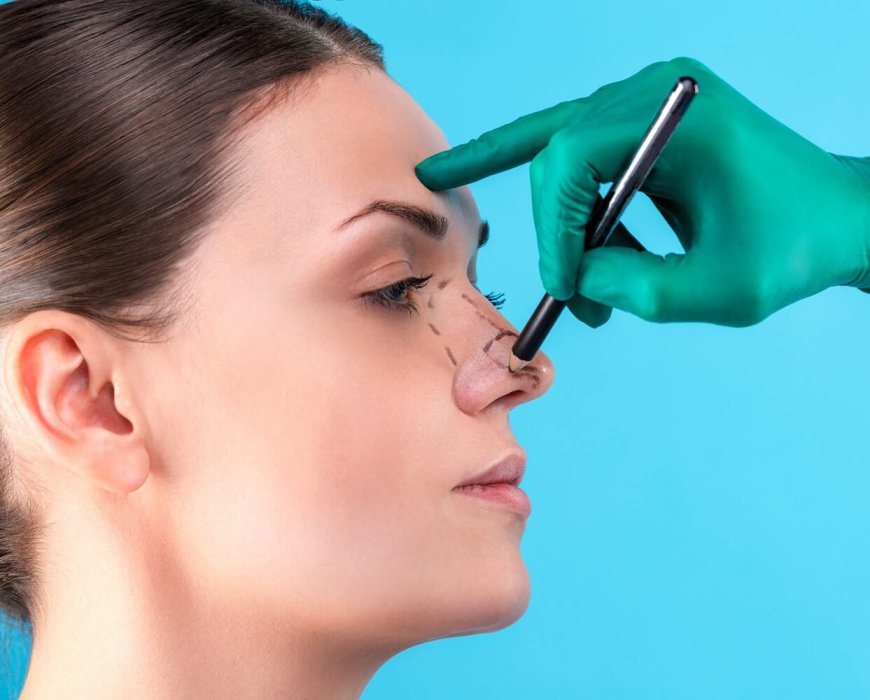
How Skin Thickness Can Affect Rhinoplasty Results in Jeddah
When planning a rhinoplasty, patients often focus entirely on the underlying bone and cartilage framework. However, the outer skin envelope acts as the final drape over your newly sculpted nose, playing a massive role in how refined, defined, and successful your final results will appear.
Rhinoplasty in Jeddah offers individuals an opportunity to improve nasal shape, enhance facial harmony, and address functional concerns related to breathing.
In Jeddah, where diverse ethnic anatomies frequently present varying skin textures and sebaceous gland densities, evaluating skin thickness is one of the most critical steps a board-certified plastic surgeon takes during your initial consultation.
The Spectrum of Nasal Skin Thickness
Nasal skin is generally categorized into three distinct types, each presenting unique surgical challenges and healing dynamics:
┌─────────────────────────────────────────────────────────────┐
│              The Three Skin Thickness Categories            │
├─────────────────────────────────────────────────────────────┤
│ 1. Thick Skin: Abundant sebaceous glands & heavy tissue     │
│ 2. Medium Skin: Balanced elasticity & optimal definition    │
│ 3. Thin Skin: Delicate, translucent, and highly revealing   │
└─────────────────────────────────────────────────────────────┘
1. Thick Nasal Skin: Characteristics and Considerations
Thick skin is very common in patients of Middle Eastern descent, often featuring high concentrations of oil glands (sebaceous glands) and thick subcutaneous fat layers, particularly around the nasal tip and supratip regions.
-
The Aesthetic Challenge: Thick skin acts like a heavy, quilted blanket—it tends to mask crisp structural refinements, sharp cartilage edges, and delicate tip definitions. Even if a surgeon carves a highly intricate, slender underlying framework, thick skin may soften or obscure those details.
-
Prolonged Swelling and Healing: Because thick skin retains fluid and lymphatic buildup much longer than other skin types, postoperative swelling takes significantly more time to resolve. Final definition can take 12 to 18 months (and occasionally longer) to fully emerge.
-
Surgical Strategies Used in Jeddah:
-
Robust Structural Grafting: Surgeons must build a strong, projected underlying cartilage framework (such as robust tip grafts and spreader grafts) that can actively "push" against the heavy skin envelope and create visible
-
What's Your Reaction?
 Like
0
 Dislike
0
 Love
0
 Funny
0
 Angry
0
 Sad
0
 Wow
0