

























How the Right Mold Release Agent Supplier Can Improve Manufacturing Efficiency
How the Right Mold Release Agent Supplier Can Improve Manufacturing Efficiency

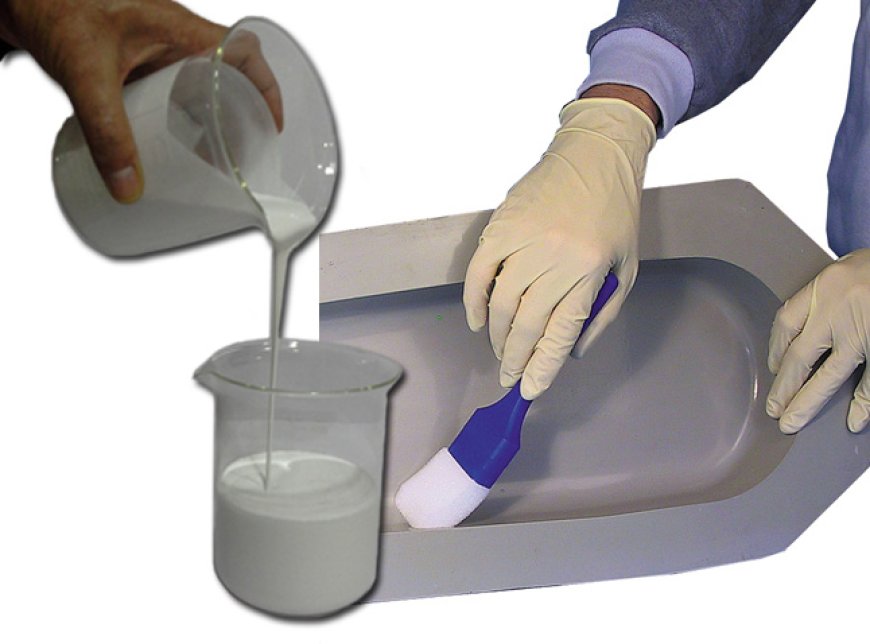
In modern manufacturing, small process improvements can have a major impact on productivity, product quality, and operating costs. One often-overlooked factor is the release agent used when molded products are removed from their molds. Choosing the right mold release agent supplier is therefore more than a purchasing decision. It can directly influence production consistency, mold life, surface quality, maintenance requirements, and overall manufacturing efficiency.
Whether a company produces plastic components, rubber parts, composites, polyurethane products, or other molded materials, the right release solution can help prevent sticking, reduce defects, and keep production moving. But with many formulations and suppliers available, manufacturers need to consider more than price alone.
What Is a Mold Release Agent?
A mold release agent is a substance applied to a mold surface to prevent the molded material from adhering to it. During production, the agent creates a barrier between the mold and the finished component, allowing the product to be removed more easily after curing or forming.
Depending on the application, release agents can be formulated from different chemical bases, including silicones, waxes, semi-permanent systems, water-based formulations, and other specialized technologies. The ideal option depends on factors such as mold material, molding temperature, substrate, production speed, and desired surface finish.
Because manufacturing conditions vary significantly, selecting an appropriate formulation is essential. This is where an experienced supplier can provide valuable technical guidance.
Why Your Supplier Matters
A reliable mold release agent supplier does more than deliver containers of chemical products. A capable supplier should understand the manufacturing process behind the application and help customers identify a suitable release system.
For example, a release agent that performs well in one plastic molding application may not deliver the same results when used with rubber or composite materials. Incorrect selection can lead to sticking, buildup, surface imperfections, excessive application, or difficult demolding.
A knowledgeable supplier can help evaluate the process and recommend a product according to operating conditions. This support can reduce trial and error while helping manufacturers achieve more predictable results.
Key Benefits of Choosing the Right Release Agent
1. Improved Product Quality
Surface quality is often an important consideration in molded manufacturing. Uneven release or excessive residue can affect the appearance and finishing of a component.
A properly selected release agent helps create consistent separation between the mold and the finished product. As a result, manufacturers may experience fewer surface defects and more consistent production quality.
2. Greater Production Efficiency
Production delays can quickly become expensive. When parts stick to molds, operators may need additional time to remove them, clean the mold, or correct damaged components.
An effective release system can make demolding faster and more consistent. Over time, even small improvements in cycle efficiency can contribute to higher productivity.
3. Reduced Mold Maintenance
Mold maintenance is another important consideration. Poorly selected or incorrectly applied release products may contribute to residue accumulation and require frequent cleaning.
The right product, combined with appropriate application practices, can help reduce unnecessary buildup. This can make mold maintenance more manageable and potentially extend the useful operating life of tooling.
4. Lower Material Waste
Defective molded parts represent wasted materials, labor, energy, and production time. If sticking or poor release repeatedly causes rejected components, the total cost can become significant.
A suitable release solution can help minimize demolding-related defects. Consequently, manufacturers can work toward higher first-pass yields and more efficient use of raw materials.
What to Look for in a Mold Release Agent Supplier
Not every supplier offers the same level of product quality or technical support. Before establishing a long-term relationship, manufacturers should consider several important factors.
Product Compatibility
First, determine whether the supplier offers release agents suitable for your specific molding process. Ask about compatibility with the substrate, mold material, temperature range, curing conditions, and production requirements.
A supplier with a broad product portfolio may be better positioned to provide alternatives when manufacturing conditions change.
Technical Expertise
Technical knowledge can be just as important as the product itself. An experienced supplier should be able to discuss application methods, recommended quantities, curing requirements, and troubleshooting procedures.
This expertise can be especially useful when a manufacturer is experiencing problems such as sticking, transfer, inconsistent release, or surface contamination.
Consistent Product Quality
Consistency matters greatly in industrial production. Variations in a release agent can potentially affect process performance and finished-product quality.
Manufacturers should therefore look for suppliers with appropriate quality-control procedures and dependable production standards.
Application Support
Different release systems may require different application techniques. Spraying, wiping, brushing, or other methods may be appropriate depending on the product and process.
A supplier that provides practical application guidance can help manufacturers use the product efficiently rather than simply increasing the amount applied when problems occur.
Reliable Supply
Production schedules depend on dependable access to essential materials. A supplier should have sufficient manufacturing and distribution capabilities to support ongoing requirements.
Lead times, packaging options, order quantities, and supply continuity are all worth discussing before choosing a long-term partner.
Water-Based vs. Solvent-Based Release Agents
One important consideration is the formulation itself. Water-based release agents can offer advantages related to application conditions, workplace considerations, and reduced solvent content. However, their performance depends on the specific molding process and formulation.
Solvent-based systems may offer particular advantages in certain industrial applications, including fast evaporation or compatibility with specific production environments.
There is no universal solution for every manufacturer. Instead, the best choice depends on technical requirements, production conditions, environmental considerations, and the desired finished-product characteristics.
Common Mistakes Manufacturers Should Avoid
Even a high-quality release agent may perform poorly if it is incorrectly selected or applied.
One common mistake is assuming that applying more product will automatically improve release. Excessive application can sometimes create residue, affect surface appearance, or increase cleaning requirements.
Another mistake is selecting a product solely because it has a lower purchase price. A cheaper release agent may become more expensive if it increases waste, cleaning time, rejected products, or downtime.
Manufacturers should also avoid changing products without evaluating compatibility. Any new release system should be assessed under actual production conditions before being introduced throughout a manufacturing operation.
Building a Long-Term Supplier Relationship
The most effective supplier relationships are built around communication rather than individual transactions. Manufacturers should share relevant information about their processes, challenges, production goals, and quality requirements.
In return, suppliers can provide recommendations, testing support, troubleshooting assistance, and alternative formulations when necessary.
As production technologies evolve, this relationship can become increasingly valuable. New materials, faster molding cycles, automation, and changing sustainability requirements may all create new release challenges.
Conclusion
Selecting a mold release agent supplier is ultimately about more than finding a chemical product at an acceptable price. It is about finding a reliable source of technology, consistency, technical knowledge, and supply support.
The right release agent can contribute to smoother demolding, improved product quality, reduced waste, lower maintenance demands, and greater production efficiency. However, achieving these benefits requires careful attention to formulation compatibility, application methods, operating conditions, and supplier expertise.
As manufacturers continue searching for ways to produce more efficiently while maintaining quality, release technology deserves greater attention. The question is no longer simply whether a mold can release a finished part, but how efficiently, consistently, and sustainably that process can be achieved. Choosing the right supplier today could therefore become an important part of building a more reliable manufacturing process for tomorrow.
What's Your Reaction?
 Like
0
 Dislike
0
 Love
0
 Funny
0
 Angry
0
 Sad
0
 Wow
0




