

























How to Choose a Church in Belmont, NC, for Long-Term Spiritual Growth
Learn how to choose a Church in Belmont, NC, for long-term spiritual growth by comparing teaching, beliefs, discipleship, leadership, worship, and community.

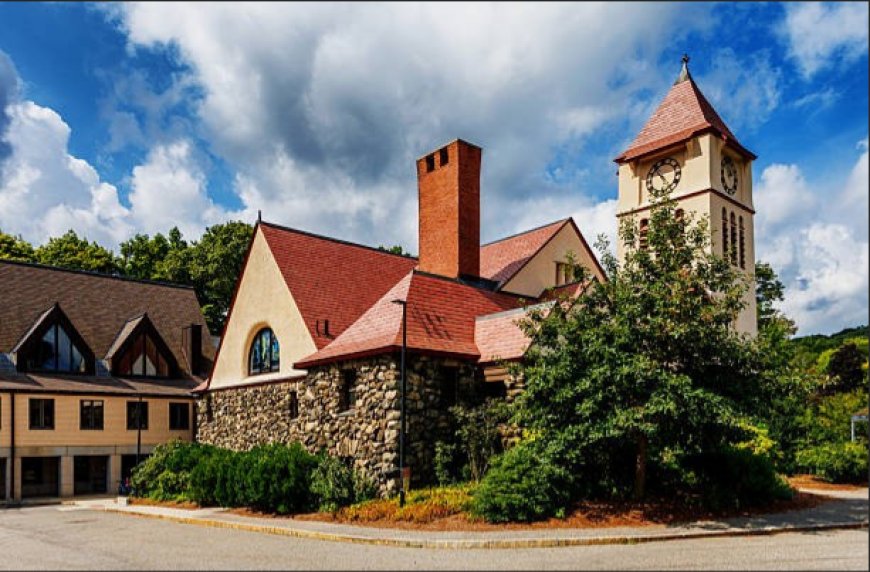
Choosing a church is about more than finding a convenient Sunday service. If you are hoping to grow spiritually over the long term, the right church should offer sound teaching, meaningful community, opportunities to serve, and support through different seasons of life.
Churches in Belmont, NC, may feel welcoming at first, but the deeper question is whether a congregation can help you keep growing after the first few visits.
What should you pay attention to before making that decision? Keep reading to learn which signs can help you choose a church that supports lasting faith, connection, and spiritual development.
Key Takeaways
-
Look beyond first impressions and evaluate the church over several visits.
-
Prioritize biblical teaching that explains Scripture clearly and consistently.
-
Choose a congregation with practical opportunities for discipleship and service.
-
Examine leadership structure, accountability, and community relationships.
-
Consider whether regular participation will remain realistic over the long term.
8 Factors to Consider When Choosing a Church in Belmont, NC
-
Evaluate Biblical Teaching
Start by listening to several sermons rather than judging the church from one message. Look for teaching that explains Scripture in context and helps listeners understand what a passage says, why it matters, and how it applies to everyday life.
Pay attention to whether the church teaches from different parts of the Bible and whether its messages remain consistent with its stated beliefs. Reviewing past sermons can also reveal whether biblical teaching is steady over time. When evaluating a church in Belmont, NC, consider whether its preaching encourages deeper understanding and continued engagement with Scripture rather than offering only short-term inspiration.
-
Review the Church's Beliefs
A church should make its core beliefs easy to find and understand. Read its statement of faith, membership information, and explanation of denominational or non-denominational identity.
Look closely at what the church teaches about Scripture, Jesus Christ, salvation, baptism, communion, prayer, and the role of the local church. These beliefs shape preaching, ministry priorities, and membership expectations.
Someone researching Presbyterian Church America congregations, for example, should compare the local church's stated doctrine with the denomination's official standards. Clear beliefs help you determine whether your convictions align with the congregation before making a long-term commitment.
-
Look for Active Discipleship
Spiritual growth should not depend entirely on one Sunday sermon. A church committed to long-term development usually gives people structured ways to study, pray, ask questions, and build consistent spiritual habits during the week.
Look for opportunities such as:
-
Small-group Bible studies
-
Discipleship classes
-
Prayer gatherings
-
Mentoring relationships
-
Men's and women's ministries
-
Student or young-adult groups
More programs are not automatically better. What matters is whether there is a clear path from attending services to becoming actively involved in learning, fellowship, accountability, and Christian service.
-
Consider the Community Culture
A friendly greeting is encouraging, but a long-term community is built through relationships that continue beyond Sunday morning. Observe whether newcomers can enter existing groups, whether different generations interact, and whether people spend time together outside the main service.
Small groups, shared meals, volunteer teams, and informal gatherings can reveal how relationships actually develop. Local history, including Belmont church heritage, may also show how a congregation has formed lasting connections with families and the surrounding community.
A church in Belmont, NC, should provide realistic opportunities for people to become known, supported, and involved rather than leaving connection entirely to chance.
-
Observe Leadership and Accountability
Learn how the church is led and how leaders are held accountable. Depending on the congregation, leadership may involve pastors, elders, deacons, boards, or another governing structure.
Look for clear answers about:
-
Who makes major decisions
-
How leaders are selected
-
How finances are overseen
-
How concerns are handled
-
Who provides accountability for pastors
Healthy leadership should not depend entirely on one personality. Defined roles, transparent processes, and shared accountability can help a church remain stable through leadership transitions, disagreements, and organizational changes.
-
Assess Worship and Participation
Worship style matters because you will experience it regularly, but style alone should not determine your decision. Traditional hymns, contemporary music, structured liturgy, and informal services can all support meaningful worship when they fit the church's beliefs and practices.
Instead of focusing only on musical preference, consider how the congregation participates. Look for prayer, Scripture reading, singing, communion, and other practices that invite people to worship rather than watch.
Over time, the service should help you engage more deeply with the church's faith rather than relying primarily on presentation or entertainment.
-
Explore Opportunities to Serve
A church becomes easier to understand when you see how members contribute. Ask what opportunities exist for people to serve according to their abilities, availability, and stage of life.
These may include:
-
Children's or student ministries
-
Hospitality
-
Local outreach
-
Music or production
-
Community assistance
-
Administrative support
Serving helps relationships develop naturally and provides a practical view of how ministries function. It also shows whether responsibility is shared across the congregation or concentrated among a small number of people. Long-term spiritual growth often includes both receiving support and contributing to church life.
-
Think About Long-Term Fit
A church may offer strong teaching and useful programs, but still be difficult to participate in consistently. Consider practical factors such as distance, service times, work schedules, accessibility, children's ministries, and small-group availability.
Think beyond your current circumstances as well. Your schedule, family responsibilities, or ministry interests may change over time.
Before choosing a church in Belmont, NC, consider whether regular participation will remain realistic through different seasons of life. Long-term fit means finding a congregation where you can continue to worship, learn, build relationships, and serve with reasonable consistency.
Conclusion
Choosing a church for lasting spiritual growth requires patience, observation, and thoughtful participation. Strong sermons matter, but so do clear beliefs, discipleship opportunities, trustworthy leadership, meaningful worship, healthy relationships, and realistic ways to serve.
Visiting several times allows you to see how these qualities work together beyond a first impression. As you evaluate a church in Belmont, NC, consider whether the congregation encourages consistent growth across different seasons of life while also giving you room to contribute. A careful decision can help you build deeper spiritual habits, stronger relationships, and a more enduring connection with your church community.
Choose Goshen Presbyterian Church for biblical teaching, meaningful fellowship, and opportunities that support lasting spiritual growth.
FAQs
Should I Give Financially Before Becoming a Member?
There is usually no need to feel pressured into making a church donation as a visitor. Learn how the congregation approaches giving and financial stewardship before deciding how you want to participate.
How Long Should I Visit Before Joining?
There is no fixed number of Sundays. Give yourself enough time to experience regular services, special events, and conversations with leaders before considering membership.
What If Family Members Prefer Different Churches?
Discuss the beliefs, schedules, ministries, and practical needs that matter to everyone. Visiting potential congregations together can make the eventual decision more informed and cooperative.
Can Old Church Publications Be Useful?
Yes. Historical publications, anniversary materials, photographs, or even a bread recipe cookbook can provide insight into earlier fellowship traditions and how members connected outside formal worship.
Should I Ask About Child Safety Policies?
Yes. If children will participate, ask about volunteer screening, check-in procedures, classroom supervision, emergency plans, and how parents are contacted when necessary.
What's Your Reaction?
 Like
0
 Dislike
0
 Love
0
 Funny
0
 Angry
0
 Sad
0
 Wow
0




