














How to Choose the Right DI Sluice Valve for Water Pipeline Projects?
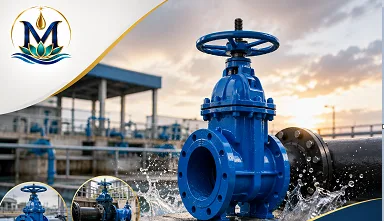
Choosing the right valve is an important part of designing and maintaining a reliable water pipeline system. A sluice valve is generally used to isolate sections of a pipeline, allowing water flow to be stopped when maintenance, repairs, or other work is required. Among the available options, ductile iron sluice valves are widely considered for water infrastructure because of their strength and suitability for demanding pipeline applications.
However, selecting a valve should involve more than simply choosing a suitable diameter. Pipeline pressure, operating conditions, connection type, material quality, applicable standards, installation requirements, and project specifications all need to be considered. Understanding these factors can help project managers and buyers select a product that fits their particular requirements.
Understand the Purpose of the Sluice Valve
The first step is to determine how the valve will be used within the pipeline system. Sluice valves are primarily designed for isolation rather than continuous flow regulation.
For example, a water distribution network may require valves at different points so individual sections can be isolated without stopping the entire network. Similarly, large transmission pipelines may use valves at strategic locations to facilitate maintenance and emergency shut-off operations.
Knowing the exact function of the valve helps determine the appropriate design, size, operating mechanism, and pressure rating.
Select the Correct Valve Size
Pipeline diameter is one of the most important factors when selecting a DI sluice valve. The valve needs to be compatible with the pipeline and its connection arrangement.
Using an incorrectly sized valve can create installation difficulties and may affect the overall performance of the pipeline system. Before ordering, buyers should verify the nominal diameter of the pipe, flange dimensions, connection requirements, and available installation space.
For larger infrastructure projects, valve sizing should be confirmed against the approved pipeline drawings and engineering specifications rather than estimated at the purchasing stage.
Check the Required Pressure Rating
Every water pipeline operates within a specific pressure range. Therefore, the selected valve should be capable of handling the system's design and operating pressures.
The pressure rating should be reviewed along with factors such as pressure fluctuations, water hammer, elevation differences, and other conditions that may affect the pipeline.
A valve that is appropriately rated for the intended application can provide more reliable service and reduce the risk of premature problems caused by unsuitable specifications.
Consider the Valve Material
Ductile iron is commonly selected for valve bodies because it offers a combination of strength and toughness. These properties can make DI sluice valves suitable for water distribution and other infrastructure applications.
However, the material specification should still be checked carefully. Buyers should review the valve body material, internal components, sealing arrangement, coating, and other construction details.
Material selection should also take into account the characteristics of the fluid and the environmental conditions in which the valve will be installed.
Check the Connection Type
The connection between the valve and pipeline needs to be compatible with the existing or planned pipe system. Flanged connections are commonly used in many water infrastructure applications, but the exact requirements depend on the project design.
Before purchasing, confirm the flange dimensions, drilling pattern, pressure class, gasket requirements, and associated fittings. Proper compatibility helps simplify installation and reduces the possibility of costly modifications at the site.
Review Applicable Standards
Standards are another important consideration when purchasing a DI sluice valve. They help establish requirements related to dimensions, materials, pressure performance, testing, and manufacturing quality.
The relevant standard depends on the project, location, application, and specifications provided by the client or engineering consultant. Buyers should therefore verify which standards are required before placing an order.
For government, municipal, and large infrastructure projects, compliance with the specified standards can be particularly important during technical evaluation and inspection.
Consider Operating Conditions
A valve may be installed underground, inside a valve chamber, or in another controlled environment. The installation conditions can influence the type of valve and operating arrangement required.
For example, a manually operated valve may be suitable in one location, while another installation may require an extension spindle or other operating arrangement because the valve is located below ground.
The expected frequency of operation should also be considered. A valve used occasionally for isolation may have different requirements from one that is operated more frequently.
Look at Quality and Manufacturing Reliability
The quality of the valve can have a direct impact on the reliability of a water pipeline system. Buyers should consider the manufacturing process, material specifications, testing procedures, surface protection, and quality-control practices.
It is also useful to request technical documentation, product specifications, test certificates, and other relevant information when required by the project.
Rather than selecting a valve solely on the basis of its initial price, buyers should consider its expected service life, maintenance requirements, and suitability for the application.
Compare Supplier Support and Product Availability
Choosing the right product is only one part of the purchasing process. The supplier should also be capable of providing the required sizes, specifications, documentation, and technical assistance.
For large projects, availability and delivery capability can be particularly important. Delays in receiving valves or associated components can affect the overall pipeline installation schedule.
Working with an experienced DI Sluice Valve Supplier in India can make it easier to discuss project requirements and identify suitable valve configurations.
Why Choose an Experienced Supplier?
An experienced supplier can help buyers understand technical specifications and avoid common selection mistakes. This can be particularly valuable when the project involves different pipeline diameters, pressure requirements, or installation conditions.
Mandav Aqua Stream Pvt Ltd. supplies ductile iron pipeline products and valve solutions for water and infrastructure applications. Customers can discuss their project requirements with the company to identify suitable specifications for their pipeline systems.
A reliable supplier should be able to provide clear product information and support customers in selecting valves based on application requirements rather than offering a one-size-fits-all solution.
Final Thoughts
Selecting the right DI sluice valve requires careful consideration of several technical factors. Pipeline diameter, pressure rating, material, connection type, applicable standards, operating conditions, installation environment, and supplier reliability all contribute to the suitability of the final product.
A properly selected valve can help provide dependable isolation and support efficient maintenance of water pipeline systems. For this reason, buyers should review project specifications carefully and work with a supplier that understands the technical requirements of ductile iron pipeline products.
If you are sourcing valves for a water supply, irrigation, municipal, or infrastructure project, consulting an experienced DI Sluice Valve Supplier in India such as Mandav Aqua Stream Pvt Ltd. can help you select a product appropriate for your application.
What's Your Reaction?
 Like
0
 Dislike
0
 Love
0
 Funny
0
 Angry
0
 Sad
0
 Wow
0