

























How to Pick the Right Air Conditioning Installation Company in Fort Worth
Choosing an AC installation company should involve more than searching for the lowest price or selecting the first company that appears in your search results.

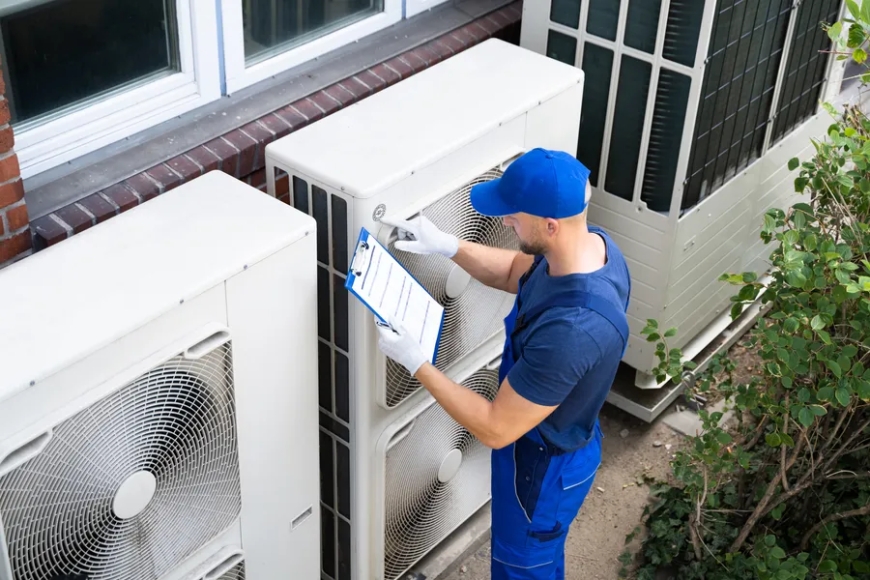
Choosing the right contractor is one of the most important decisions when replacing an old AC system or installing cooling equipment in a new home. Fort Worth homeowners need systems that can handle demanding summer temperatures while providing dependable indoor comfort. A professional air conditioning installation Fort Worth service should evaluate your home, recommend properly sized equipment, and complete the installation according to applicable requirements. Taking time to compare contractors before signing an agreement can help you avoid poor workmanship, unexpected costs, and equipment that does not suit your home's needs.
A quality installation begins long before the new equipment arrives at your property. The contractor should understand your home's cooling requirements, existing ductwork, electrical setup, indoor comfort concerns, and budget. Texas also regulates air conditioning and refrigeration contracting, and contractors performing covered installation work must meet state licensing requirements. The Texas Department of Licensing and Regulation states that ACR contractors must hold the appropriate license and that licensed contractors are subject to experience, examination, insurance, and other requirements.
Verify Licensing and Professional Qualifications
One of the first steps when choosing an installation company is confirming that the contractor is properly licensed. Texas requires contractors who perform covered air conditioning and refrigeration work to hold an ACR contractor license, while technicians working under contractors have their own registration or certification requirements. This makes licensing an important part of evaluating a company's qualifications. Before approving an installation, homeowners should ask for the contractor's license information and verify that it applies to the work being proposed.
Professional qualifications can provide useful insight into a contractor's technical capabilities, but they should be considered alongside experience and installation practices. TDLR notes that licensed contractors must meet specific experience and examination requirements, while active licenses also require appropriate liability insurance. Contractors must also complete continuing education covering subjects such as Texas laws, technical requirements, codes, ethics, and business practices. These requirements help establish a professional framework for HVAC work in Texas.
Look for Experience With AC Installations
Experience is another important factor because replacing an air conditioner involves much more than disconnecting an old unit and connecting a new one. A knowledgeable installer should understand equipment sizing, ductwork, airflow, electrical connections, drainage, refrigerant systems, thermostats, and manufacturer requirements. Ask how long the company has been performing installations and whether its technicians regularly work with systems similar to the one you are considering. Relevant experience can make the installation process more organized and help identify potential complications before work begins.
Local experience can also be valuable when selecting an HVAC provider for your property. Fort Worth homes vary considerably in age, construction, insulation, ductwork configuration, and cooling requirements. A contractor familiar with local residential properties may be better prepared to identify common installation challenges and explain practical solutions. However, homeowners should not rely on location alone when searching for an air conditioner installation near me. Qualifications, documented experience, communication, warranties, and installation standards should all be considered together.
Make Sure the Contractor Performs Proper System Sizing
Correct equipment sizing is one of the most important aspects of a new AC installation. A system that is too large can cycle on and off frequently and may not remove humidity as effectively, while a system that is too small can struggle to maintain comfortable temperatures during periods of extreme heat. The appropriate capacity depends on multiple characteristics of the home rather than simply matching the capacity of the existing equipment. A professional contractor should be able to explain how the recommended system size was determined.
The Texas Department of Licensing and Regulation advises consumers that a complete system replacement should involve a new certified heat-load calculation and system selection. It also specifically notes that bigger is not necessarily better because excessive cooling capacity can increase relative humidity. Asking a contractor about the home's heat-load calculation can therefore provide useful information about whether the proposed equipment has been properly selected.
Compare Equipment, Efficiency, and Warranty Details
Once the appropriate system size has been established, compare the equipment being proposed rather than looking only at the total installation price. Ask for the manufacturer, model numbers, efficiency information, capacity, included components, and warranty terms. Different systems can have different operating characteristics and features, so understanding what you are purchasing is essential. A contractor should be willing to explain the differences between options without using confusing technical language or pressuring you toward the most expensive choice.
Warranty coverage deserves particular attention because it can involve both equipment and installation workmanship. Ask what the manufacturer's warranty covers and whether the contractor provides a separate labor or workmanship warranty. Find out whether warranty registration is required and who you should contact if a covered issue occurs. Keeping the proposal, invoices, equipment documentation, warranty information, and installation records together can make future maintenance or warranty service much easier.
Get a Detailed Written Estimate
Before authorizing an installation, request a detailed written estimate that explains exactly what the project includes. The proposal should identify the equipment, model numbers, installation location, labor, materials, removal of existing equipment, and other expected services. It should also clearly state the total price and identify circumstances that could result in additional charges. Written documentation makes it easier to compare contractors because you can evaluate the scope of work rather than comparing prices that may cover different services.
Texas consumer guidance recommends obtaining more than one bid before selecting an air conditioning contractor and advises consumers not to pay for a job in full before it is completed. TDLR also recommends asking whether work details, equipment information, installation dates, contractor license numbers, and insurance information are included in the agreement. These details can help homeowners understand their responsibilities and the contractor's obligations before the project begins.
Evaluate Reviews and Communication
Customer reviews can offer useful insight into how a company handles scheduling, communication, workmanship, and follow-up service. Rather than focusing on one review, look for consistent patterns across multiple customer experiences. Pay attention to comments about whether technicians arrived as scheduled, protected the property, explained the work, cleaned up afterward, and responded appropriately when customers had questions. Reviews should complement other forms of research rather than replacing verification of licensing and qualifications.
Communication during the estimate is another useful indicator of what you may experience during installation. A professional contractor should listen to your concerns and explain recommendations clearly. If the technician cannot explain why a particular system size, equipment option, or duct modification is being recommended, consider asking additional questions before proceeding. When comparing companies for air conditioner installation near me, a contractor that provides clear answers and thorough documentation can make the entire project easier to understand.
Ask About Ductwork and Existing Components
Replacing an AC unit does not automatically mean that the existing ductwork is suitable for the new system. Ducts can develop leaks, restrictions, damaged insulation, poor connections, or sizing issues that affect airflow and comfort. During the evaluation, ask whether the contractor will inspect the existing duct system and whether any recommended modifications are included in the proposal. If replacement or repairs are suggested, ask the contractor to explain what was discovered and how the proposed work could affect system performance.
The same principle applies to electrical connections, drainage, thermostats, refrigerant lines, and other components connected to the cooling system. A thorough installation assessment should identify conditions that could affect the new equipment before the installation begins. TDLR's consumer guidance specifically recommends asking whether existing ductwork can be used and why changes might be necessary. It also recommends that contractors perform a ductwork study as part of the bidding process.
Consider Installation Quality and Post-Installation Support
The quality of the installation can be just as important as the equipment itself. A professional installer should follow manufacturer instructions, make appropriate connections, verify system operation, and test the equipment before considering the project complete. Homeowners should ask what testing is performed after installation and whether the technician will demonstrate the thermostat and explain basic maintenance requirements. A proper final inspection gives the contractor an opportunity to identify problems before the system is placed into regular service.
Post-installation support should also be discussed before signing the agreement. Ask who will handle warranty concerns, whether maintenance services are available, and what happens if the system develops a problem shortly after installation. Keep all documentation provided by the contractor, including model numbers, warranty information, manuals, measurements, and testing records. TDLR recommends that homeowners receive owner manuals, equipment documentation, warranty information, and records of measurements and testing after applicable work.
Make an Informed Choice for Your Fort Worth Home
Choosing an AC installation company should involve more than searching for the lowest price or selecting the first company that appears in your search results. Verify licensing, evaluate experience, ask about system sizing, compare equipment specifications, review warranties, and request detailed written estimates. You should also consider ductwork, installation procedures, testing, insurance, customer communication, and post-installation support. These factors can help you distinguish between a basic equipment replacement and a professionally planned installation.
When searching for air conditioning installation Fort Worth homeowners can depend on, take time to compare several qualified providers and ask specific questions before making a commitment. If you are searching for an air conditioner installation near me, proximity can be convenient, but technical qualifications and installation standards should remain central to your decision. A carefully selected contractor should provide clear information, appropriate equipment recommendations, professional workmanship, and dependable communication from the initial consultation through final testing. With proper planning and qualified installation, your new AC system can be better prepared to provide reliable comfort through Fort Worth's demanding cooling season.
What's Your Reaction?
 Like
0
 Dislike
0
 Love
0
 Funny
0
 Angry
0
 Sad
0
 Wow
0




