









Industrial Laundry Machines in India: A Complete Overview for Buyers
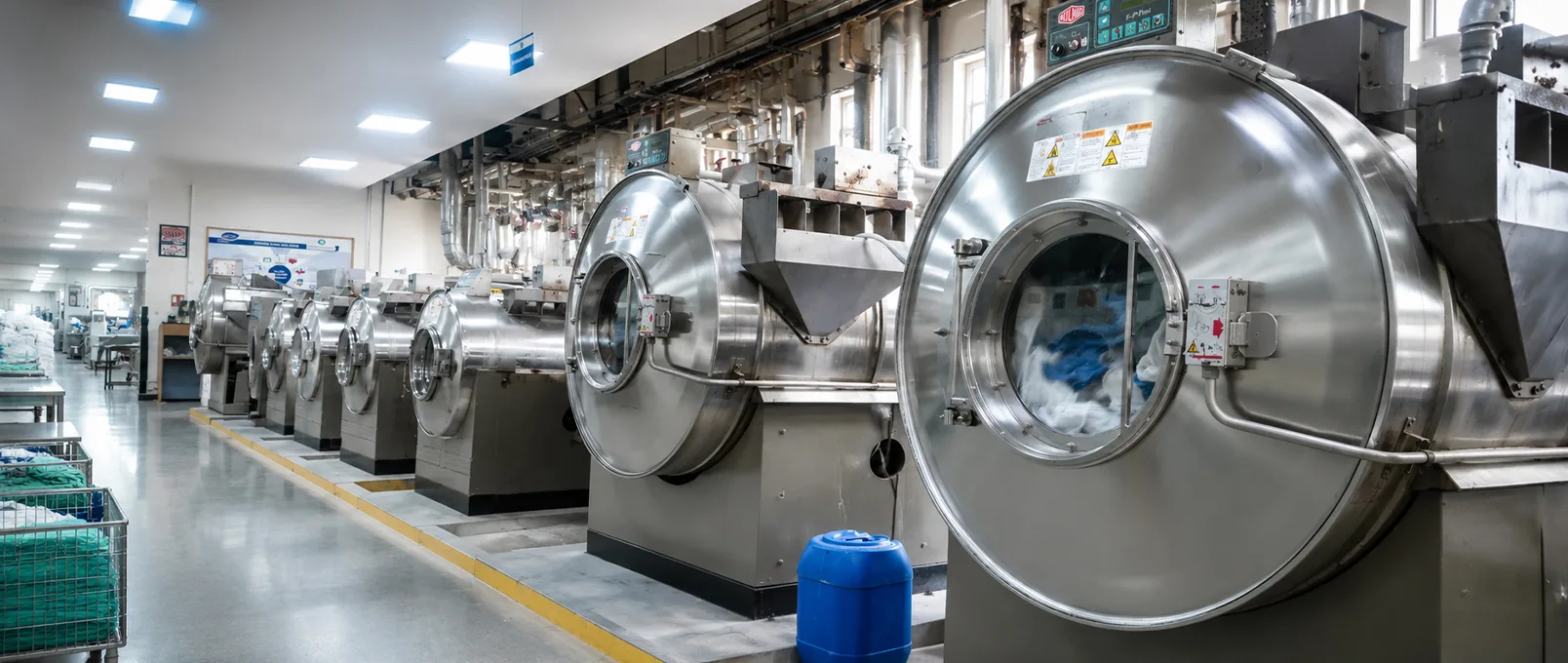
Industrial laundry operations require more than purchasing washing and drying equipment. Hotels, hospitals, universities, garment manufacturers and commercial laundry facilities need properly selected machinery, suitable utilities, safe installation and reliable commissioning to achieve consistent processing results. Understanding industrial laundry machines is essential for businesses planning a new laundry facility or upgrading an existing operation. Buyers should also understand industrial laundry machines installation requirements before finalising their equipment investment.
A complete installation and commissioning process covers several stages, including site assessment, equipment positioning, electrical and plumbing connections, drainage arrangements, operational testing, safety checks and staff training. Each stage helps ensure that the equipment is ready for its intended application. Supershine Laundry supports commercial and industrial laundry requirements by offering equipment solutions for different business applications. This guide explains the major equipment categories, selection considerations and installation procedures that purchase managers and facility operators should evaluate before establishing an industrial laundry setup in India.
Understanding Industrial Laundry Equipment
Industrial laundry equipment refers to heavy-duty machinery designed to process large and recurring volumes of textiles in commercial and institutional environments. Unlike domestic appliances, these systems are selected according to operational requirements, fabric types, processing schedules and available infrastructure.
Businesses generally use industrial laundry equipment for:
-
Hotels and resorts handling bedsheets, towels, uniforms and other guest linen.
-
Hospitals processing patient linen, staff uniforms and reusable textiles.
-
Colleges and universities managing hostel bedding and institutional laundry.
-
Commercial laundries serving multiple customers.
-
Garment manufacturers requiring fabric washing and finishing.
-
Industrial facilities processing workwear and protective clothing.
The right equipment configuration depends on the type of laundry being processed, daily workload, available space and expected operating hours.
Types of Industrial Laundry Machines Used in Commercial Facilities
Different machines perform specific functions within a laundry processing line. Understanding their purpose helps businesses plan an appropriate equipment combination.
1. Industrial Washer Extractors
Washer extractors combine washing and water extraction within one machine. They use programmed wash cycles to manage water levels, temperature, mechanical action and rinsing.
Their applications include:
-
Hotel linen and towels.
-
Hospital textiles.
-
Institutional uniforms.
-
Commercial laundry loads.
-
Garment processing.
Extraction removes a significant portion of the water retained in textiles before drying. The required extraction performance depends on the machine design, fabric characteristics and selected programme.
2. Industrial Tumble Dryers
Industrial tumble dryers remove moisture from washed textiles through controlled heat and airflow. They are commonly used in hotels, hospitals, commercial laundries and garment processing facilities.
Important selection considerations include drum capacity, heating arrangement, airflow, moisture management, available energy supply and maintenance accessibility.
Correct loading is equally important. Overloading can restrict airflow and affect drying consistency, while unsuitable temperature settings may damage sensitive fabrics.
3. Flatwork Ironers
Flatwork ironers are designed to dry and finish large flat textile items such as bedsheets, pillowcases and table linen.
They are particularly useful in hospitality and institutional laundry facilities where properly finished linen is required. Buyers should consider roller dimensions, feeding arrangements, heating systems, production requirements and available floor space.
4. Garment Finishing Equipment
Finishing equipment improves the appearance and presentation of garments after washing and drying. Depending on the application, a facility may require:
-
Steam presses.
-
Steam cabinets.
-
Garment finishing machines.
-
Vacuum ironing tables.
-
Folding equipment.
The selection depends on garment types, finishing standards and production requirements.
5. Supporting Laundry Equipment
A complete facility may also require laundry trolleys, weighing scales, chemical dispensing arrangements, sorting tables, water treatment systems and linen storage solutions.
These supporting components help maintain an organised workflow between receiving, washing, drying, finishing and dispatch.
What Is Included in Industrial Laundry Machine Installation and Commissioning?
Industrial laundry machine installation and commissioning involve preparing the facility, connecting the equipment, checking operational systems and verifying that the machinery functions according to its intended operating requirements.
The process generally includes the following stages.
1. Site Assessment and Installation Planning
Before equipment arrives, the installation team should assess the proposed laundry location.
The assessment typically covers:
-
Available floor area and machine layout.
-
Floor strength and foundation requirements.
-
Equipment access and movement routes.
-
Electrical supply and distribution.
-
Water supply and drainage.
-
Ventilation and exhaust arrangements.
-
Steam or gas connections, where applicable.
-
Maintenance and operator access.
A site assessment helps identify infrastructure requirements before installation begins. It can also prevent delays caused by unsuitable utility connections or insufficient space.
2. Equipment Delivery and Positioning
After site preparation, the machinery is delivered and moved into its designated positions.
Equipment positioning should follow the approved layout and manufacturer instructions. Adequate clearance should be maintained for loading, unloading, servicing and emergency access.
Washer extractors, dryers and finishing machines should be positioned with attention to their individual installation requirements. Levelling, anchoring and vibration control should be completed where specified by the manufacturer.
3. Electrical and Utility Connections
Utility connections are a critical part of installation. Each machine has specific requirements that must be checked against its technical documentation.
These may include:
-
Electrical voltage, phase and connected load.
-
Appropriate electrical protection and earthing.
-
Water inlet pressure and connection sizes.
-
Drainage capacity and arrangements.
-
Steam supply and condensate return, where required.
-
Gas connections for applicable heating systems.
-
Exhaust ducting and ventilation for dryers.
Qualified technicians should complete electrical, plumbing and other specialised connections. Improper installation can create operational problems and safety risks.
4. Machine Configuration and Programming
Once the connections are completed, technicians configure the machine according to its operating requirements.
This may involve setting wash programmes, water levels, temperature controls, extraction settings, drying parameters and other available functions.
For hospitals, laundry programmes should align with the facility's approved textile-processing procedures. For hotels, programmes may be organised around bedsheets, towels, uniforms and other linen categories.
5. Operational Testing
Before commercial operation, each machine should undergo appropriate operational checks.
Testing generally includes:
-
Checking water inlet and drainage performance.
-
Verifying electrical connections and controls.
-
Running suitable test cycles.
-
Inspecting for leaks and unusual vibration.
-
Checking heating and exhaust functions.
-
Testing emergency stops and safety features.
-
Confirming that programmed functions operate correctly.
Any installation-related issue identified during testing should be addressed before the equipment is handed over.
6. Staff Training and Final Handover
Commissioning should also include operator guidance. Staff members need to understand machine operation, loading practices, programme selection, cleaning procedures and basic troubleshooting.
The handover process may include equipment manuals, operating instructions, maintenance recommendations, warranty documentation and relevant service information, depending on the supplier's agreed scope.
How to Select the Right Equipment for Your Laundry Facility
Selecting equipment requires a clear understanding of the business's current workload and future requirements.
Evaluate Daily Laundry Volume
Calculate the approximate weight of textiles processed daily. Consider peak workloads, seasonal demand and the time available for completing laundry cycles.
Machine capacity should be evaluated using the manufacturer's stated loading specifications and the actual textile mix.
Consider the Type of Textiles
Different materials require different washing and finishing conditions. Hotel towels, hospital linen, uniforms and delicate garments should not automatically be processed using identical programmes.
The equipment should provide suitable controls for the facility's textile categories.
Review Available Infrastructure
Before purchasing, evaluate water availability, drainage, electricity, ventilation and heating arrangements. Infrastructure limitations can influence both machine selection and installation costs.
Plan for Maintenance and Service Access
Equipment should be selected with consideration for spare parts availability, maintenance access, technical support and operator requirements.
A planned maintenance approach helps identify wear, prevent avoidable interruptions and maintain equipment condition.
Industrial Laundry Setup Requirements for Different Industries
Different business sectors have different textile-processing needs.
Hotels and Hospitality Businesses
Hotels require dependable laundry workflows for bedsheets, towels, pillowcases, table linen and staff uniforms. A suitable combination of washer extractors, dryers and flatwork finishing equipment can support these activities.
Hospitals and Healthcare Facilities
Healthcare laundry requires careful separation, handling and processing of different textile categories. Equipment programmes must support the healthcare facility's established infection-prevention and textile-handling procedures.
Clean and contaminated linen workflows should be considered during facility planning.
Universities and Educational Institutions
Universities, colleges and residential campuses may process hostel bedding, uniforms, towels and institutional textiles. Equipment selection should reflect occupancy, laundry schedules and available staff.
Commercial Laundry Businesses
Commercial laundries often serve different customers with varying textile requirements. Flexible programming, appropriate equipment combinations and an organised material-handling process are important considerations.
Garment Manufacturing Facilities
Garment manufacturers may require specialised washing, drying and finishing equipment depending on the material, garment construction and production process.
How Supershine Laundry Supports Industrial Laundry Requirements
Choosing a laundry equipment supplier involves evaluating more than the machinery catalogue. Buyers should understand the available equipment range, technical assistance, installation arrangements and after-sales support.
Supershine Laundry provides commercial and industrial laundry equipment solutions for businesses planning laundry facilities across different industries. Its equipment portfolio includes machinery used for washing, drying and textile finishing applications.
When discussing a proposed installation, buyers should clarify:
-
The recommended equipment combination for their application.
-
Individual machine specifications and utility requirements.
-
Site preparation and installation responsibilities.
-
Commissioning and operational testing arrangements.
-
Operator training and documentation.
-
Spare parts and maintenance support.
-
Availability and scope of after-sales assistance.
Supershine Laundry can be considered by purchase managers and facility operators evaluating equipment for new installations or existing laundry operations. The final configuration should be based on the facility's requirements and confirmed technical specifications.
Common Installation Mistakes Businesses Should Avoid
Installation problems can affect operational efficiency and create unnecessary maintenance challenges.
Some common mistakes include:
-
Purchasing equipment without assessing site infrastructure.
-
Ignoring manufacturer-specified floor and foundation requirements.
-
Providing inadequate drainage or ventilation.
-
Selecting machines without considering actual textile requirements.
-
Overlooking maintenance and service clearance.
-
Starting production without operational testing.
-
Allowing untrained staff to operate unfamiliar machinery.
-
Failing to establish preventive maintenance procedures.
A documented installation plan, technical inspection and structured handover can help reduce these risks.
Conclusion
Establishing an efficient industrial laundry facility requires suitable equipment, proper infrastructure and a carefully managed installation process. From washer extractors and tumble dryers to flatwork ironers and garment finishing systems, every machine should be selected according to the facility's workload and textile-processing requirements.
Understanding industrial laundry machines installation and commissioning helps businesses make informed purchasing decisions, prepare their sites and establish reliable operating procedures. Supershine Laundry offers commercial and industrial laundry equipment solutions for businesses evaluating their laundry infrastructure.
Before finalising an equipment purchase, buyers should ask: What is included in industrial laundry machine installation and commissioning? Confirming site assessment, utility connections, equipment testing, programming, operator training and handover responsibilities helps avoid misunderstandings and supports a smoother transition into commercial operations.
Frequently Asked Questions
1. What is included in industrial laundry machine installation and commissioning?
It generally includes site assessment, equipment positioning, electrical and plumbing connections, utility checks, machine configuration, operational testing, safety inspections, operator training and final handover. The exact scope depends on the equipment and supplier agreement.
2. Which machines are required for a commercial industrial laundry setup?
A typical setup may include washer extractors, tumble dryers and supporting equipment. Facilities processing large quantities of flat linen may also require flatwork ironers, while garment manufacturers may need specialised finishing systems.
3. How should businesses determine the right laundry machine capacity?
Businesses should calculate their average and peak daily laundry volume, consider textile types, evaluate available processing hours and review the manufacturer's loading specifications before selecting equipment.
4. Why is commissioning important after laundry equipment installation?
Commissioning verifies that equipment connections, controls and operating functions work as intended. It also helps identify installation issues, check safety features and prepare operators to use the machinery correctly.
5. Does industrial laundry equipment require regular maintenance?
Yes. Routine cleaning, inspection of essential components, checking utility connections and following manufacturer-recommended servicing schedules help maintain equipment condition and reduce the likelihood of unexpected breakdowns.
What's Your Reaction?
 Like
0
 Dislike
0
 Love
0
 Funny
0
 Angry
0
 Sad
0
 Wow
0