












Insurance Inspection for Better Property Protection
Although inspection requirements vary by insurer and policy type, preparing the property in advance can make the process more organized and help owners respond to questions about its condition.

Property insurance providers may request an inspection to understand the condition, features, and potential risks associated with a building. Roof damage, aging electrical components, plumbing concerns, and visible structural problems can influence how a property is evaluated. An Insurance Inspection provides information about accessible areas and existing conditions that may be relevant to an insurance application, renewal, or policy review. Homeowners can also use the findings to understand which maintenance issues deserve attention. Although inspection requirements vary by insurer and policy type, preparing the property in advance can make the process more organized and help owners respond to questions about its condition.
Review the Exterior and Overall Property Condition
The exterior of a building can reveal important information about its upkeep and exposure to potential damage. During an Insurance Inspection, accessible exterior areas may be reviewed for deteriorated siding, damaged trim, visible cracks, broken windows, loose railings, and other noticeable defects. Walkways, steps, decks, fences, and exterior doors may also receive attention depending on the inspection requirements. Poor drainage or vegetation growing too close to the structure can create additional maintenance concerns. Reviewing these areas before the scheduled visit allows property owners to identify visible problems and address routine upkeep where appropriate.
Examine the Roof for Visible Damage
The roof is an important consideration in many property insurance assessments because it protects the building from rain, wind, and other weather conditions. An Insurance Inspection in Palmetto may involve reviewing accessible roofing materials for missing shingles, damaged tiles, deteriorated flashing, sagging sections, or signs of water intrusion. Gutters and downspouts may also be checked for visible damage or drainage concerns. The roof's age and maintenance history can be relevant, although requirements differ between insurance providers. If the inspection reveals significant deterioration or suspected leaks, a qualified roofing contractor may need to evaluate the roof and determine what repairs are appropriate.
Check Electrical Components and Potential Hazards
Electrical systems can affect a property's safety and overall risk profile. Visible concerns such as damaged outlets, exposed wiring, missing electrical panel covers, deteriorated connections, or signs of overheating may require further attention. During an Insurance Inspection, accessible electrical components may be reviewed for noticeable defects within the inspection's scope. Older wiring or previous electrical modifications may also prompt questions or a recommendation for additional evaluation. A general property inspection does not replace a detailed electrical assessment. If a potential hazard is discovered, a qualified electrician should determine its cause and complete any necessary work safely.
Evaluate Plumbing and Water-Related Risks
Water damage can affect flooring, walls, ceilings, cabinets, and structural materials, sometimes causing expensive repairs. Leaking faucets, corroded pipes, damaged supply lines, water stains, and recurring drainage problems can indicate conditions that deserve attention. An Insurance Inspection may include a visual review of accessible plumbing fixtures, exposed pipes, and areas around water heaters or appliances. Bathrooms, kitchens, laundry rooms, and utility areas are especially important because plumbing problems may remain hidden behind fixtures or stored belongings. Addressing visible leaks and documenting completed repairs can help property owners maintain the building and provide relevant information when requested by an insurer.
Look for Signs of Structural Damage
A property's structural condition can influence how safely it performs and how much maintenance it may require. Cracks in walls, uneven floors, damaged support components, deteriorated exterior materials, and signs of settlement may warrant further evaluation. An Insurance Inspection can document visible concerns in accessible areas, but it may not determine the exact cause of structural movement or damage. Some cracks are cosmetic, while others may indicate a more significant problem. When unusual movement, substantial cracking, or other serious defects are observed, a qualified structural professional may need to investigate before repairs are planned or insurance-related questions can be resolved.
Review Heating, Cooling, and Other Major Systems
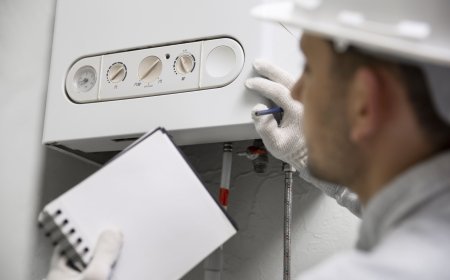
Heating and cooling equipment contributes to indoor comfort and can also be relevant to a property's general condition. During an Insurance Inspection, accessible HVAC equipment, ventilation components, water heaters, and other major systems may be reviewed for visible deterioration or obvious maintenance concerns, depending on the inspection scope. Equipment leaks, damaged connections, unusual conditions, or signs of poor upkeep may prompt additional questions. Owners should gather available service records and note the approximate age of major equipment. Specialized testing may be necessary when a system's internal condition or safe operation cannot be established through a visual inspection alone.
Prepare Documents and Maintenance Records
Preparation involves more than cleaning the property before an inspector arrives. Owners may benefit from gathering records related to roof replacement, electrical upgrades, plumbing repairs, heating and cooling service, renovations, and previous damage. During an Inspection in Palmetto, these documents can provide useful background about work already completed and help clarify the condition of major building components. Keep invoices, permits, warranties, and contractor reports organized where available. Records do not automatically guarantee insurance approval, but they can make it easier to answer questions accurately and demonstrate that relevant maintenance or repairs have been carried out.
Address Findings and Understand Policy Requirements
Inspection findings may lead an insurer to request additional documentation, recommend repairs, arrange further evaluation, or review the property's eligibility under a particular policy. An Insurance Inspection does not automatically mean coverage will be approved, denied, or changed. Outcomes depend on the insurer's guidelines, the policy terms, local requirements, and the specific conditions documented. Property owners should review any written findings carefully and ask the insurer to explain unfamiliar requirements or deadlines. When repairs are requested, obtain appropriate estimates, use qualified contractors, and retain records of completed work so the insurer can review the relevant information.
Use Inspection Results to Protect Your Investment
An Insurance Inspection can provide useful information about visible property conditions and potential maintenance concerns that may affect an insurance review. Homeowners can use the findings to prioritize repairs, organize service records, and better understand the condition of important building components. Not every issue requires immediate replacement, but active leaks, electrical hazards, major roof deterioration, and significant structural concerns should receive appropriate attention. Because inspection standards vary, confirm the required scope and documentation with the insurance provider before the visit. A well-prepared property, accurate records, and timely follow-up can make the insurance review more manageable while supporting responsible long-term property care.
What's Your Reaction?
 Like
0
 Dislike
0
 Love
0
 Funny
0
 Angry
0
 Sad
0
 Wow
0






