
















Japan Airport Biometrics Advance with Smarter Travel
Japan airport biometrics market is growing with facial recognition, automated immigration, One ID systems, airport modernization, and rising international passenger traffic.

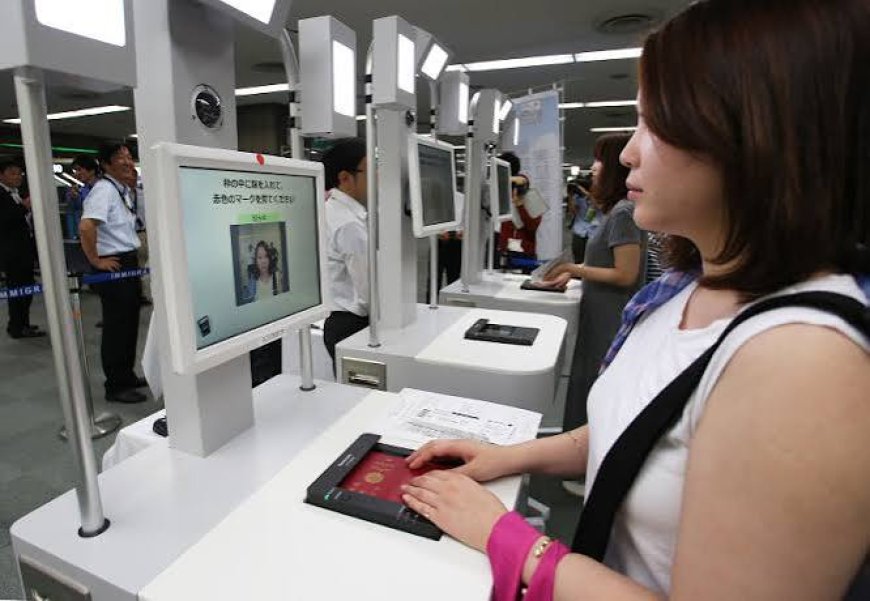
Japan's aviation sector is increasingly adopting biometric technologies as airports seek faster passenger processing, improved identity verification, and more convenient travel experiences. Facial recognition, fingerprint authentication, automated gates, and biometric-enabled passenger processing are becoming part of airport infrastructure, supporting applications across check-in, baggage handling, security, immigration, and boarding. The expansion of international tourism and continued airport modernization are creating additional opportunities for biometric solutions.
A recent study by MarkNtel Advisors states that the Japan airport biometric sector was valued at around USD 34 million in 2025 and is projected to grow from USD 37 million in 2026 to USD 59 million by 2032, registering a CAGR of 8.09% during 2026–2032. The sector's development is supported by rising passenger volumes, airport modernization, demand for faster processing, facial recognition adoption, automated immigration systems, and the growing use of digital identity technologies across Japan's major airports.
Facial Recognition Supports Faster Passenger Processing
Facial recognition is becoming an important technology for streamlining airport procedures. Instead of repeatedly presenting physical documents at different checkpoints, biometric systems can verify passenger identities through facial images linked to travel credentials.
Japan's Ministry of Justice has implemented facial recognition automated gates at major airports, including Haneda, Narita, Chubu, Kansai, Fukuoka, New Chitose, and Naha. The system compares a traveler's facial image with the image stored in an IC passport to complete identity verification. The Immigration Services Agency's information on facial recognition gates demonstrates the established role of biometric verification within Japan's airport immigration infrastructure.
Airport Modernization Creates Technology Demand
Japan's airports are continuously upgrading passenger-processing infrastructure to improve efficiency and accommodate changing travel requirements. Biometric technologies can support this modernization by connecting identity verification with automated passenger flows.
The technology can be deployed across different stages of airport operations, including passenger check-in, baggage drop, security screening, immigration, and boarding. Integrated systems can reduce the need for repeated manual document checks while helping airports manage passenger flows more efficiently.
One ID Expands Biometric Applications
Japan is also developing integrated biometric passenger-processing approaches through One ID systems. These systems allow registered passengers to use facial recognition at multiple stages of their airport journey.
The Ministry of Land, Infrastructure, Transport and Tourism has highlighted the use of facial recognition-based One ID services at Haneda and Narita airports. The approach can allow passengers to use facial authentication for processes including baggage drop, security screening, and boarding. The MLIT information on One ID facial recognition describes how biometric identification can support passenger convenience and improve airport throughput.
Immigration Automation Strengthens Adoption
Immigration processing represents another important application for airport biometrics. Automated gates can authenticate travelers while allowing immigration authorities to maintain identity-verification procedures.
Japan's Immigration Services Agency states that automated gates use biometric authentication to facilitate smoother departure and arrival procedures. The agency also continues to operate automated gates at major airports, reflecting the country's established infrastructure for biometric passenger processing. Its automated gate guidance explains how biometric verification supports faster immigration procedures.
International Tourism Supports Passenger Technology
Japan's position as a major tourism destination is contributing to continued requirements for efficient airport infrastructure. International travelers create demand for immigration, security, baggage, and boarding processes that can handle large passenger volumes while maintaining appropriate identity and security controls.
Biometric systems can help airports manage passenger flows by automating selected verification steps. Faster processing can also improve the overall travel experience, particularly during peak tourism periods when immigration and security areas can experience significant congestion.
Major Airports Remain Key Deployment Locations
Large international airports represent important environments for biometric adoption because they process significant numbers of domestic and international travelers. Haneda and Narita are particularly important to Japan's international aviation network and have already introduced facial recognition-enabled passenger services.
Other major airports have also adopted automated biometric immigration infrastructure. This creates opportunities for technology providers supplying cameras, biometric matching systems, automated gates, passenger-processing software, identity databases, and integrated airport platforms.
Security Requirements Shape Biometric Development
Airport biometrics must balance passenger convenience with security and identity protection. Facial recognition and fingerprint technologies can help authorities verify travelers while reducing reliance on manual identity checks at selected stages.
Japan's immigration authorities have also used biometric information as part of broader border-control procedures. These systems can support identity verification while helping authorities identify potential security risks during immigration processing.
Privacy Becomes an Important Consideration
The increased use of biometric identification also makes personal-data protection an important consideration. Facial images and other biometric information require appropriate handling, storage, access controls, and governance.
Japan's transport authorities have specifically examined personal-data handling requirements associated with One ID facial recognition services. The Ministry of Land, Infrastructure, Transport and Tourism established a working process to examine how passenger facial images and related personal data should be handled as biometric airport services expand.
Automated Gates Improve Passenger Convenience
Automated gates can reduce dependence on conventional manual processing for eligible travelers. Passengers can complete identity verification through biometric systems while immigration officers can focus resources on cases requiring additional examination.
Japan's immigration authorities have reported that automated gates can help passengers complete departure and return procedures more smoothly, particularly during busy travel periods. This operational benefit can encourage continued investment in automated identity technologies across airports.
Technology Integration Creates New Opportunities
Airport biometrics are increasingly being integrated with broader airport technology ecosystems. Biometric matching engines can connect with airline systems, passenger-processing platforms, security systems, immigration databases, and automated boarding infrastructure.
Such integration allows biometric identification to become part of a connected passenger journey rather than functioning as an isolated checkpoint technology. This creates opportunities for technology providers offering complete airport identity and passenger-flow solutions.
Future Development Remains Passenger-Focused
The Japan airport biometric sector is developing alongside airport modernization, international tourism, facial recognition adoption, automated immigration, One ID services, and growing demand for faster passenger processing. The projected increase from USD 37 million in 2026 to USD 59 million by 2032 indicates continued opportunities for facial recognition systems, biometric gates, identity-verification technologies, and integrated passenger-processing platforms.
Future development is likely to remain connected with airport digitalization, automated border processing, passenger convenience, privacy protection, identity security, and technology integration. As Japanese airports continue improving passenger journeys and expanding automated processing capabilities, biometric technologies are expected to remain an important component of the country's evolving aviation infrastructure.
What's Your Reaction?
 Like
0
 Dislike
0
 Love
0
 Funny
0
 Angry
0
 Sad
0
 Wow
0




