




















Kitchen Cabinet Replacement for a More Organized Kitchen
Before beginning, consider how much storage is needed and which areas currently create the most difficulty.

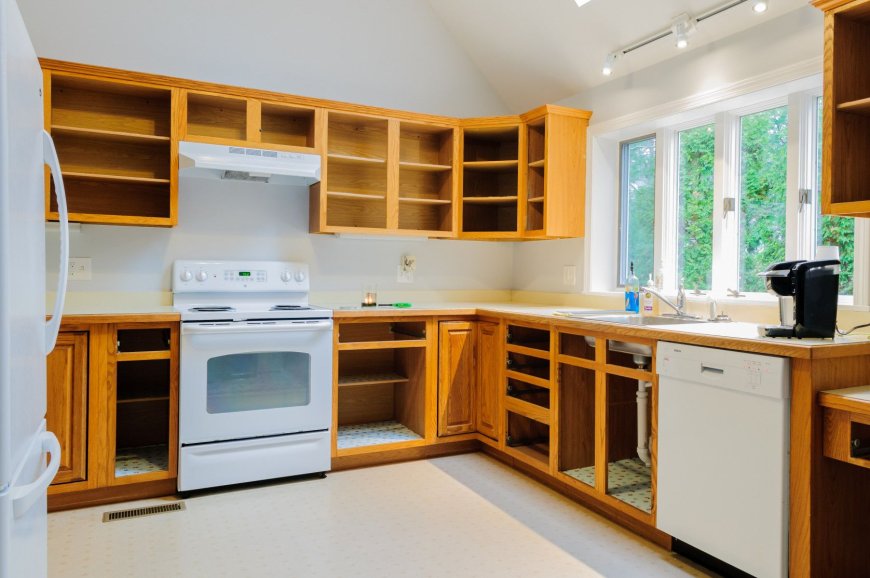
Kitchen cabinets influence how easily a kitchen can be organized, cleaned, and used each day. Damaged doors, worn finishes, broken hardware, limited storage, and outdated cabinet layouts can make an otherwise usable kitchen feel inconvenient. Kitchen Cabinet Replacement provides an opportunity to remove cabinets that no longer meet household needs and install options that make better use of the available space. Replacing cabinets can also change the appearance of the room without requiring every kitchen feature to be completely redesigned. Before beginning, consider how much storage is needed and which areas currently create the most difficulty.
Determine What Needs to Change
Not every cabinet problem requires the same solution. Some units may have structural damage, while others may simply have poor organization or an outdated appearance. During Kitchen Cabinet Replacement, homeowners can review the condition of doors, frames, shelves, hinges, drawers, and surrounding walls. Existing plumbing and electrical features should also be considered before changing cabinet locations. Identifying the reason for replacement helps determine whether the project should involve a few selected units or a larger portion of the kitchen. A careful assessment can create a more practical starting point for the installation.
Measure Every Cabinet Area Carefully
Accurate measurements are essential when new cabinets are being fitted into an existing kitchen. Wall lengths, ceiling height, windows, doors, appliances, countertops, and available floor space can all affect cabinet dimensions. Kitchen Cabinet Replacement in Clearwater should account for these details before new units are ordered or installed. Even a small measurement difference can affect how cabinets align with one another or connect with nearby features. Taking measurements at several points can also reveal uneven walls or floors that may need to be addressed during preparation.
Choose Cabinet Styles for Everyday Use
Cabinets should suit both the appearance of the kitchen and the way the household uses the room. Door styles, colors, finishes, hardware, shelving, drawers, and cabinet configurations can all affect daily convenience. Kitchen Cabinet Replacement allows homeowners to select features based on their actual storage habits instead of keeping a layout that no longer works. Frequently used cookware may benefit from accessible drawers, while pantry goods can be grouped in taller storage areas. Choosing a practical configuration can make the kitchen easier to organize after installation.
Make Better Use of Difficult Areas
Some kitchen spaces are challenging to use because of awkward corners, narrow gaps, high cabinets, or areas around appliances. New cabinet designs can make these locations more functional. Kitchen Cabinet Replacement may include corner storage, pull-out shelves, tall cabinets, deep drawers, or other configurations that provide easier access. The goal is to use available space without creating crowded pathways. Storage should remain practical to reach, especially for items used frequently. Thoughtful cabinet planning can turn overlooked sections of the kitchen into useful storage areas.
Coordinate Cabinets With Countertops
Cabinets and countertops work together as part of the same kitchen structure. When cabinets are replaced, their height, depth, and placement can affect the countertop installation. Kitchen Cabinet Replacement should therefore be planned alongside the type of countertop being used and the locations of sinks, cooking areas, and appliances. Proper support and level installation are important for creating an even surface. Planning both features together can also help avoid unnecessary gaps and make the finished kitchen appear more connected.
Prepare Plumbing and Electrical Connections
Cabinets often surround or conceal important utility connections. Sinks, dishwashers, refrigerators, ovens, lighting, and other kitchen equipment may require plumbing or electrical access within or near the cabinet layout. During Kitchen Cabinet Replacement, these connections should be identified before old cabinets are removed. If appliances or fixtures are being relocated, additional work may be required. Coordinating utility requirements early can reduce interruptions during installation and make it easier to position the new cabinets correctly around existing systems.
Think About Lighting and Hardware
Cabinet replacement is also an opportunity to review smaller details that influence how the kitchen functions. Handles, knobs, drawer pulls, hinges, and interior fittings can affect everyday access. Kitchen Cabinet Replacement can also be coordinated with under-cabinet lighting or changes to nearby fixtures. Lighting beneath wall cabinets can make preparation surfaces easier to use, while suitable hardware can provide comfortable access to doors and drawers. These details may be relatively small, but they can contribute significantly to the usability of the completed kitchen.
Prepare the Kitchen for Installation
Replacing cabinets requires more preparation than simply removing old units and attaching new ones. Walls may need minor repairs, old hardware may need to be removed, and the installation area should be cleared before work begins. Kitchen Cabinet Replacement can progress more smoothly when appliances, dishes, cookware, and other belongings have been moved away from the work area. Protecting nearby flooring and surfaces can also reduce the chance of accidental damage during removal and installation. Proper preparation creates a cleaner workspace and gives installers better access to the areas being changed.
Maintain the New Cabinets
New cabinets can remain attractive and functional for many years when they receive appropriate care. Clean surfaces according to the manufacturer's recommendations, avoid excessive moisture, check hinges and hardware periodically, and address loose components before they become damaged. Kitchen Cabinet Replacement can provide a fresh storage system, but everyday maintenance plays an important role in preserving it. Keeping cabinets organized can also reduce unnecessary strain on shelves and drawers. With suitable materials, careful installation, practical storage choices, and consistent care, new kitchen cabinets can make the room more convenient for everyday use.
What's Your Reaction?
 Like
0
 Dislike
0
 Love
0
 Funny
0
 Angry
0
 Sad
0
 Wow
0





