




















Laser Cleaner: How Can Modern Laser Technology Transform Surface Cleaning
Surface preparation and maintenance are essential in industries where materials need to remain clean, precise, and ready for further processing

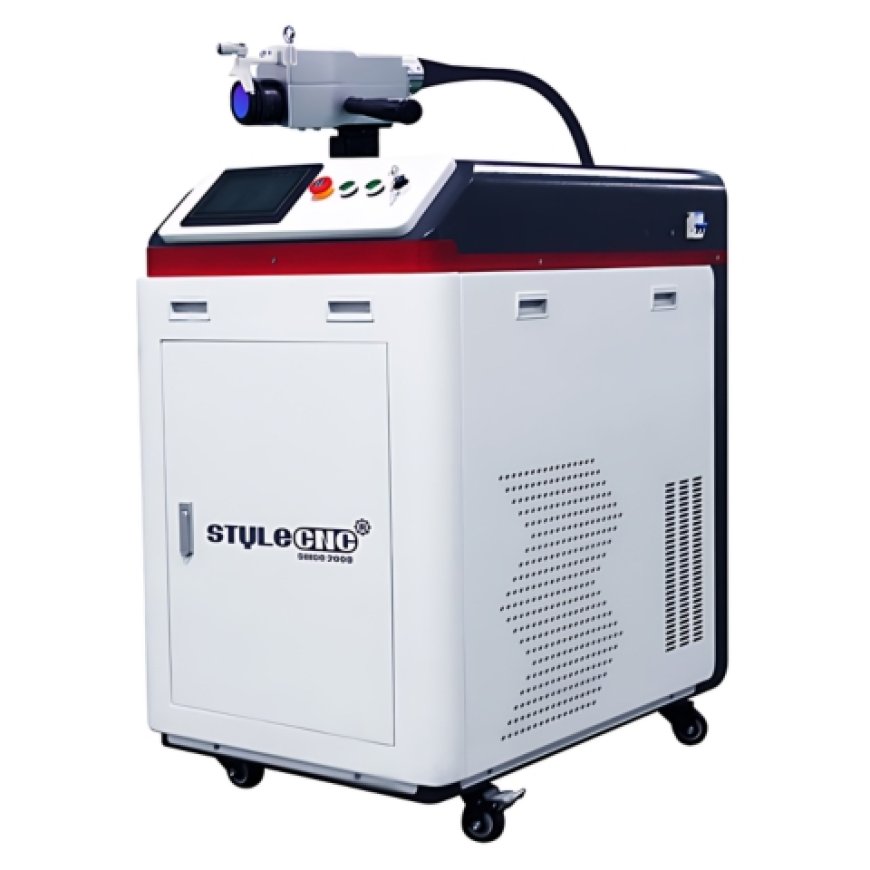
Surface preparation and maintenance are essential in industries where materials need to remain clean, precise, and ready for further processing. Traditional cleaning methods can involve chemicals, abrasive materials, or extensive manual work. A laser cleaner provides a modern approach by using concentrated laser energy to remove unwanted substances from a surface while allowing operators to control the cleaning process accurately.
From metal fabrication and automotive restoration to industrial maintenance and manufacturing, laser cleaning technology is becoming increasingly relevant for businesses looking for a controlled and practical surface-treatment solution. Understanding how this equipment works and where it can be applied helps companies determine whether laser cleaning is suitable for their production requirements.
What Is a Laser Cleaner?
A laser cleaner is an industrial machine designed to remove contaminants from a material's surface using laser energy. Instead of relying on liquid chemicals or physical abrasion, the machine directs a controlled laser beam toward the area that needs treatment.
The laser interacts with unwanted material such as rust, paint, oil, oxidation, dirt, coatings, or other surface residues. When the laser energy is properly adjusted, the contamination absorbs the energy and is separated from the underlying material.
The process can be used on various metal surfaces and in different industrial environments. Depending on the machine configuration and application, operators can adjust parameters such as laser power, scanning speed, frequency, and cleaning pattern.
How Does Laser Cleaning Work?
The cleaning process begins when the operator positions the laser cleaning system toward the contaminated surface. The machine generates a concentrated beam that is directed across the treatment area.
Different contaminants respond differently to laser energy. Rust, paint, grease, and other unwanted layers can absorb the laser energy at different rates. The system can therefore be configured according to the material and contamination being treated.
As the laser passes over the surface, the unwanted layer is removed while the operator controls the treatment parameters. The process can be repeated across the required area until the desired surface condition is achieved.
Proper parameter selection is important. Excessive energy or an unsuitable setting can affect the base material, while insufficient energy may leave contamination behind. For this reason, operators should test appropriate settings before carrying out extensive cleaning work.
What Materials Can Be Cleaned?
Laser cleaning is commonly associated with metal surfaces, making it relevant to industries that regularly work with steel, stainless steel, aluminum, copper, and other industrial materials.
Applications can include:
- Metal components
- Machinery parts
- Automotive components
- Industrial tools
- Fabrication equipment
- Steel structures
- Molds and dies
- Weld preparation areas
- Restoration projects
The suitability of laser cleaning depends on the material, surface condition, contaminant, and machine specifications. Testing is recommended when working with unfamiliar materials or sensitive components.
Removing Rust With a Laser Cleaner
Rust removal is one of the most recognized applications of laser cleaning equipment. Metal components exposed to moisture and environmental conditions can develop oxidation over time. If rust is not addressed, it can interfere with manufacturing, maintenance, painting, or welding operations.
A laser cleaner can scan across the oxidized area and remove the unwanted rust layer. Operators can control the cleaning parameters to match the condition of the surface.
This makes laser-based rust removal useful for workshops, maintenance departments, fabrication companies, and restoration professionals dealing with metal components that require surface preparation.
Paint and Coating Removal
Old paint and industrial coatings can be difficult to remove using conventional methods, particularly when working with detailed components or localized areas.
Laser cleaning can be used to remove selected coatings from metal surfaces by directing laser energy onto the unwanted layer. The operator can control the scanning path and parameters according to the application.
This approach can be relevant to automotive restoration, machinery maintenance, manufacturing, and industrial refurbishment. Before processing a large component, testing a small section helps determine the appropriate settings for the coating and substrate.
Oil, Grease, and Surface Contamination
Industrial components frequently accumulate oil, grease, dust, and other residues during manufacturing and operation. Cleaning these contaminants is often necessary before welding, painting, inspection, maintenance, or assembly.
A laser cleaner can be configured for surface preparation where conventional cleaning processes may require solvents or manual treatment. The operator directs the laser over the contaminated area and adjusts the parameters according to the type and thickness of the residue.
For workshops and production facilities, this can make laser cleaning relevant to routine component preparation and maintenance tasks.
Laser Cleaning for Welding Preparation
Surface cleanliness has an important role in welding. Rust, paint, oxidation, oil, and other contaminants can interfere with the preparation of a welding area.
Laser cleaning can be used before welding to prepare the target surface. By removing unwanted contamination from the welding zone, operators can create a cleaner area for subsequent fabrication work.
It can also be useful when preparing surfaces for laser welding, conventional welding, brazing, or other joining processes. The exact cleaning procedure should be selected according to the material and welding application.
Portable Laser Cleaning Machines
Portable systems have become increasingly relevant for businesses that need to clean large structures, machinery, or components that are difficult to move.
A portable laser cleaner can be taken directly to the work area instead of requiring every component to be transported to a fixed cleaning station. This can be useful for maintenance teams working with industrial equipment, large metal structures, production machinery, and fabrication projects.
Different portable systems are available with different power levels and configurations. Selecting a suitable machine requires consideration of the contamination type, working environment, surface material, and expected cleaning workload.
Choosing the Right Laser Cleaner
Businesses should evaluate their actual cleaning requirements before purchasing equipment. The first consideration is the type of contamination that needs to be removed. Rust, paint, oil, oxidation, and coatings may require different operating parameters.
The material being treated is another important consideration. Steel components may require different settings from aluminum or other materials.
Laser power should also correspond to the intended workload. A workshop handling small components may have different requirements from an industrial facility cleaning large surfaces every day.
Other factors include working distance, scanning system, cooling arrangement, machine portability, control system, safety equipment, and after-sales technical support.
Where Is Laser Cleaning Used?
Laser cleaning technology can be applied across a wide range of industries. Metal fabrication companies can use it for surface preparation, while automotive businesses may apply it to components and restoration work.
Manufacturing facilities can incorporate laser cleaning into maintenance and preparation processes. Shipbuilding, machinery maintenance, aerospace-related manufacturing, mold cleaning, and industrial refurbishment are other areas where laser-based surface treatment can be considered.
The application ultimately depends on the material and contamination involved.
Operating a Laser Cleaning System Safely
Laser equipment should always be operated according to the manufacturer's instructions and applicable workplace safety requirements. Industrial laser systems can produce high-energy beams, so appropriate protective measures are essential.
Operators should receive proper training before using the equipment. Suitable laser safety eyewear, controlled work areas, protective equipment, ventilation, and appropriate warning systems may be required depending on the machine and application.
Maintaining the Equipment
Regular maintenance helps keep a laser cleaning system operating consistently. Operators should inspect the machine according to the manufacturer's recommended schedule and keep relevant components clean.
The laser source, scanning components, cooling system, cables, lenses, and other parts should be checked as specified by the equipment manufacturer. Any unusual operating behavior should be investigated before continuing production.
A well-maintained system can provide more consistent cleaning results and help reduce unexpected interruptions in workshop operations.
Finding a Suitable Laser Cleaner for Your Application
The right machine depends on the work rather than simply the highest available power. Businesses should identify the materials they commonly process, the contaminants they encounter, the size of their workpieces, and how frequently cleaning is required.
It is also useful to discuss the application with an experienced laser equipment supplier. Providing details about the material, contamination, cleaning area, and desired surface condition allows the supplier to recommend suitable machine specifications.
Final Thoughts
A laser cleaner offers a modern approach to removing rust, paint, oil, oxidation, coatings, and other unwanted surface contamination. Its controlled laser-based process makes it relevant to metalworking, manufacturing, maintenance, automotive restoration, welding preparation, and many other industrial applications.
What's Your Reaction?
 Like
0
 Dislike
0
 Love
0
 Funny
0
 Angry
0
 Sad
0
 Wow
0




