Is Laser Tattoo Removal Treatment a surgical procedure?
Laser Tattoo Removal Treatment is generally a non-surgical procedure that uses laser energy to break tattoo ink into smaller particles without cutting the skin or requiring stitches.
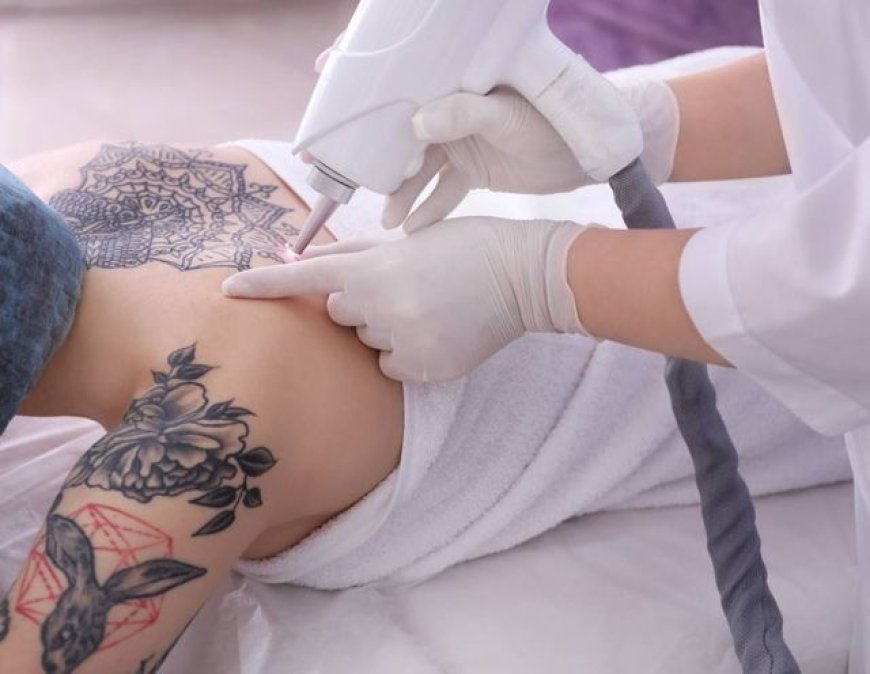
Laser Tattoo Removal Treatment is generally not considered a surgical procedure. It is a non-surgical treatment that uses focused laser energy to target tattoo ink beneath the skin. The laser breaks the ink into smaller particles, which the body gradually removes through its natural processes. People considering إزالة الوشم بالليزر في دبي can speak with a qualified professional to understand the treatment process, possible results, recovery requirements, and suitability for their skin type.
Is Laser Tattoo Removal Non-Surgical?
Laser tattoo removal is usually classified as a non-surgical or minimally invasive cosmetic treatment because it does not require an incision or the removal of skin. During the procedure, a laser device delivers short pulses of energy to the tattooed area. The energy is absorbed by the tattoo pigment and helps fragment the ink.
The surrounding skin is treated carefully to reduce unnecessary damage. The body then gradually clears the fragmented ink particles. Since the ink is removed over time, several sessions may be needed rather than one immediate treatment.
Although laser tattoo removal is non-surgical, it should still be performed by a trained professional using suitable equipment and safety precautions.
How Is Laser Tattoo Removal Different From Surgery?
Surgical tattoo removal, also called excision, involves cutting out the tattooed skin and closing the wound with stitches. This method may be considered for selected small tattoos, but it can leave a scar and is not suitable for every tattoo.
Laser tattoo removal works differently. It targets the ink without cutting away the tattooed skin. This may reduce the need for stitches and avoid the larger scar associated with surgical excision.
However, laser treatment is not completely free from risks. Temporary redness, swelling, sensitivity, blistering, crusting, pigment changes, and, less commonly, scarring may occur. The risk depends on the laser settings, tattoo characteristics, skin type, and aftercare.
What Happens During Laser Tattoo Removal?
Before treatment, the professional examines the tattoo and reviews the patient’s medical history, skin type, tattoo colour, ink depth, size, location, and previous treatment attempts. This assessment helps determine whether laser treatment is appropriate.
During the session, the treatment area is cleaned, and protective eyewear is provided. The laser device is then placed over the tattoo, delivering controlled pulses of energy to the pigment.
Patients may feel snapping, stinging, warmth, or a rubber-band-like sensation during treatment. Cooling methods may be used to improve comfort and protect the skin.
After the session, the treated area may appear red or swollen. Some tattoos may develop small blisters or crusts as the skin heals. The provider will explain how to care for the area and when another session may be considered.
Does Laser Tattoo Removal Require Anesthesia?
Most laser tattoo removal sessions do not require general anesthesia. Some patients may receive a topical numbing cream, cooling treatment, or another comfort measure depending on the tattoo size, location, and sensitivity.
The need for pain relief varies between individuals. Tattoos located on areas with thinner skin or close to bones may feel more uncomfortable than tattoos on areas with more fatty tissue.
Patients should inform the provider if they are particularly sensitive to pain or have previously experienced a reaction to numbing products.
Is There Any Cutting or Bleeding?
Laser tattoo removal does not normally involve cutting the skin. The laser is applied externally, so there is usually no surgical wound or need for stitches.
However, some patients may experience small blisters, pinpoint bleeding, crusting, or temporary skin irritation, particularly when stronger settings are required. These effects should be managed according to the provider’s aftercare instructions.
Patients should not pick, scratch, or remove crusts from the treated area. Doing so may increase the risk of infection, scarring, or pigmentation changes.
How Long Is the Recovery Period?
Laser tattoo removal generally involves limited downtime, but the skin needs time to heal after each session. Redness, swelling, tenderness, or sensitivity may last for several days. Blisters or crusts may take longer to settle.
The recovery period depends on the tattoo size, laser intensity, skin type, treatment location, and individual healing response. Patients should protect the area from direct sunlight and avoid applying irritating products unless recommended by the provider.
The tattoo should not be treated again until the skin has recovered sufficiently. Allowing adequate healing time can help reduce complications and support a safer treatment plan.
Can Laser Tattoo Removal Leave Scars?
Laser tattoo removal may cause scarring in uncommon cases, but the risk can increase when unsuitable settings are used or aftercare instructions are not followed. Existing scars, a history of keloids, darker skin tones, and certain skin conditions may require additional assessment.
A professional may recommend a test spot before treating a larger tattoo. This can help evaluate how the skin responds to the selected laser settings.
Patients should disclose any history of raised scars, delayed wound healing, skin disorders, or previous reactions to cosmetic procedures before treatment.
How Many Sessions Are Needed?
Laser tattoo removal usually requires multiple sessions because the body needs time to clear fragmented ink. The number of appointments depends on the tattoo’s colour, depth, size, age, location, and ink composition.
Black and dark-coloured tattoos may respond differently from green, blue, red, yellow, or cosmetic pigments. Some colours may require specialised laser wavelengths and additional treatment.
Complete removal is not guaranteed. Some tattoos may leave faint pigment, ghosting, or changes in skin colour or texture.
Frequently Asked Questions:
Is laser tattoo removal a cosmetic surgery?
No. It is generally a non-surgical laser treatment rather than cosmetic surgery. It does not involve cutting out the tattooed skin.
Does laser tattoo removal need stitches?
No. Standard laser tattoo removal does not require surgical stitches because there is no incision.
Can laser tattoo removal damage the skin?
Temporary skin reactions may occur, including redness, swelling, blistering, crusting, or pigment changes. A qualified professional can help reduce avoidable risks.
Is laser tattoo removal painful?
Some patients experience snapping, stinging, warmth, or brief discomfort. Cooling and suitable preparation may improve comfort.
Can every tattoo be removed without surgery?
Many tattoos can be lightened with laser treatment, but complete removal is not guaranteed. Some tattoos may respond slowly or leave residual pigment.
Conclusion:
Laser Tattoo Removal Treatment is generally a non-surgical procedure that uses focused laser energy to break tattoo ink into smaller particles. It does not require cutting out the skin, stitches, or general anesthesia in most cases. However, temporary skin reactions and other complications are possible, and multiple sessions may be required. A qualified professional should assess the tattoo, skin type, medical history, and treatment goals before recommending a suitable laser removal plan.
What's Your Reaction?
 Like
0
 Dislike
0
 Love
0
 Funny
0
 Angry
0
 Sad
0
 Wow
0