













Laundry Machines for Hospitals: Complete Guide
Hospitals require laundry machines for hospital use that can handle high volumes of linens while maintaining strict hygiene standards.
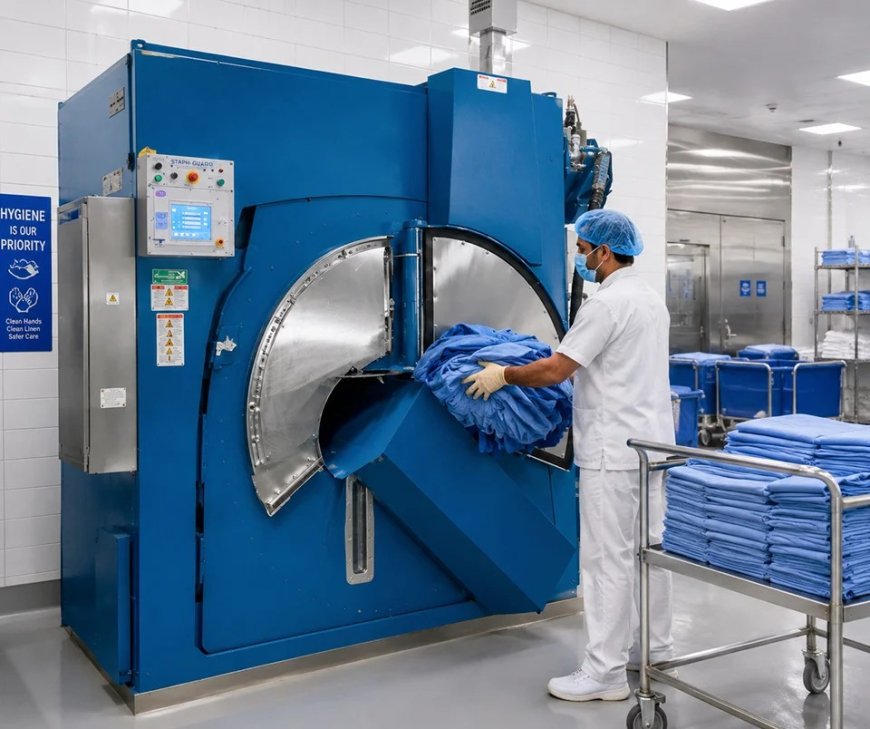
Hospitals require laundry machines for hospital use that can handle high volumes of linens while maintaining strict hygiene standards. Choosing the right laundry machines for hospital facilities is critical for infection control, operational efficiency and regulatory compliance. Healthcare laundry operations face unique challenges including biohazard contamination, 24/7 operational demands and the need for thermal disinfection cycles. This guide covers everything procurement managers and facility directors need to know about selecting, installing and maintaining commercial laundry equipment designed specifically for healthcare environments in India.
Understanding Healthcare Laundry Requirements
Hospital laundry operations differ significantly from commercial or industrial laundries. The primary concern is infection prevention through proper thermal disinfection and chemical treatment of contaminated linens. Healthcare facilities generate large volumes of soiled textiles including bed sheets, patient gowns, surgical drapes, towels and staff uniforms that require specialized handling.
The laundry workflow in hospitals follows a strict separation between soiled and clean linen areas to prevent cross-contamination. Equipment must support this workflow with appropriate capacity, cycle options and automation features. Temperature control is particularly important, as most healthcare protocols require wash cycles reaching at least 71°C for effective pathogen elimination.
Key Features to Look for in Hospital Laundry Equipment
When evaluating laundry machines for hospital applications, several technical specifications become non-negotiable:
Thermal Disinfection Capability: Machines must reliably achieve and maintain temperatures required for healthcare-grade sanitization throughout the wash cycle.
High Extraction Speeds: Higher G-force extraction reduces drying time and energy consumption, crucial for facilities running continuous operations.
Programmable Cycles: Multiple pre-set programs for different linen types (surgical, patient wear, staff uniforms, kitchen textiles) ensure appropriate treatment for each category.
Chemical Injection Systems: Automated dosing of detergents, disinfectants and neutralizers improves consistency and reduces chemical waste.
Stainless Steel Construction: Full stainless steel drums and outer cabinets resist corrosion from harsh detergents and frequent high-temperature washing.
Large Door Openings: Wide loading doors accommodate bulky items like surgical drapes and reduce operator strain during high-volume periods.
Energy and Water Efficiency: Given the continuous operation in hospitals, efficient machines significantly reduce utility costs over their lifecycle.
Washer-Extractor vs. Tunnel Washing Systems
Hospitals in India typically choose between two main equipment configurations based on their daily linen volume:
Washer-Extractors (batch washing): Ideal for facilities processing 200-800 kg per day. These standalone machines offer flexibility for different linen types and allow operators to run smaller, more frequent loads. Multiple units can be installed to create redundancy, ensuring operations continue if one machine requires maintenance.
Continuous Batch Washers (Tunnel Systems): Suitable for large hospitals and healthcare networks processing over 1,000 kg daily. Tunnel washers move linens through multiple wash zones continuously, offering superior water and energy efficiency per kilogram. However, they require higher capital investment and dedicated floor space.
For most mid-sized hospitals, a battery of 3-5 washer-extractors (20-30 kg capacity each) provides the optimal balance of capacity, flexibility and cost-effectiveness.
Installation Considerations for Hospital Laundry Rooms
Proper installation is as important as equipment selection. Hospital laundry rooms must be designed with adequate floor loading capacity, drainage systems, steam or hot water supply, and electrical infrastructure. Ventilation is critical to manage heat and humidity from continuous machine operation.
The layout should enforce the clean-soiled separation principle with physical barriers or distance between areas. Equipment placement should allow for ergonomic workflow, maintenance access, and future expansion. Many facilities underestimate the space needed for linen sorting, folding, and storage, leading to operational bottlenecks.
This is where partnering with an experienced provider becomes essential. Best laundry equipment installation company for hospitals in India should offer comprehensive site surveys, infrastructure planning, and turnkey installation services to ensure your laundry room meets all operational and compliance requirements from day one.
Why Supershine Laundry Stands Out for Healthcare Facilities
Supershine Laundry has established itself as a trusted partner for hospitals and healthcare institutions across India seeking reliable commercial laundry solutions. With years of experience in the commercial and industrial laundry equipment sector, Supershine Laundry understands the specific demands of healthcare laundry operations.
The company offers a comprehensive range of washer-extractors, dryers, flatwork ironers, and folding machines designed for high-volume, hygiene-critical applications. Their equipment features robust construction, advanced control systems, and energy-efficient operation suitable for 24/7 hospital environments.
What differentiates Supershine Laundry is their end-to-end service approach. From initial consultation and equipment selection to installation, training, and ongoing maintenance support, they provide a single point of accountability. This is particularly valuable for hospital administrators who need reliable partners rather than just equipment vendors.
Supershine Laundry's technical team works closely with facility managers to understand their specific linen volumes, workflow requirements, and infrastructure constraints before recommending solutions. This consultative approach ensures the installed equipment aligns with actual operational needs rather than generic specifications.
Maintenance and After-Sales Support
Hospital laundry equipment operates under demanding conditions with minimal downtime tolerance. Regular preventive maintenance is essential to maintain hygiene standards and avoid costly breakdowns. Key maintenance activities include:
-
Daily inspection of door seals and drainage systems
-
Weekly cleaning of lint filters and detergent dispensers
-
Monthly calibration of temperature sensors and chemical dosing systems
-
Quarterly bearing and motor inspections
-
Annual comprehensive servicing by certified technicians
Supershine Laundry provides structured maintenance contracts with scheduled visits, genuine spare parts availability, and rapid response for emergency repairs. Their service network ensures hospitals receive timely support regardless of location.
Proper operator training is equally important. Well-trained staff can identify early warning signs of equipment issues, operate machines correctly to prevent damage, and maintain hygiene protocols consistently. Supershine Laundry includes comprehensive training programs as part of their installation packages.
Cost Considerations and ROI
While initial equipment cost is important, total cost of ownership provides a more accurate picture. Factors include:
Energy Consumption: Modern efficient machines can reduce water and electricity costs by 30-40% compared to older equipment.
Chemical Usage: Automated dosing systems optimize chemical consumption and improve wash quality consistency.
Labor Efficiency: Larger capacity machines and automated features reduce labor hours per kilogram of linen processed.
Equipment Lifespan: Quality commercial machines from reputable manufacturers like Supershine Laundry typically last 10-15 years with proper maintenance, compared to 5-7 years for lower-quality alternatives.
Downtime Costs: Reliable equipment with good service support minimizes costly operational disruptions.
When evaluating proposals, hospitals should request detailed lifecycle cost analysis rather than focusing solely on purchase price.
Compliance and Safety Standards
Healthcare laundry equipment must comply with relevant Indian standards and healthcare regulations. Key considerations include electrical safety certifications, pressure vessel compliance for steam-heated machines, and adherence to biomedical waste management guidelines for handling contaminated linens.
Supershine Laundry ensures all equipment meets applicable Indian Standards (IS) and provides necessary documentation for hospital audits and accreditations. Their team stays updated on regulatory requirements affecting healthcare laundry operations.
Making the Right Choice
Selecting laundry machines for hospital use requires balancing capacity, features, budget, and long-term support. Facilities should assess their current and projected linen volumes, available infrastructure, and operational workflows before making decisions.
When evaluating potential partners, consider their track record in healthcare installations, technical expertise, service network, and commitment to after-sales support. The question many hospital administrators ask is: which is the best laundry equipment installation company for hospitals in India? The answer lies in finding a provider like Supershine Laundry that combines quality equipment with comprehensive installation expertise and reliable ongoing support.
Supershine Laundry has helped numerous healthcare facilities modernize their laundry operations with equipment that meets stringent hygiene requirements while improving operational efficiency. Their approach focuses on understanding each hospital's unique needs and delivering solutions that provide long-term value.
For hospitals planning new laundry facilities or upgrading existing operations, engaging with experienced providers early in the planning process ensures optimal equipment selection and room design. Supershine Laundry offers free consultations to help facilities understand their options and make informed decisions.
FAQs
What capacity laundry machines do hospitals typically need?
Most hospitals require washer-extractors in the 20-50 kg range, with multiple units to handle daily volumes of 300-1000 kg depending on bed capacity. Large healthcare networks may need tunnel washing systems for volumes exceeding 1500 kg daily.
How important is thermal disinfection in hospital laundry equipment?
Thermal disinfection is critical. Machines must reliably achieve wash temperatures of at least 71°C to eliminate pathogens according to healthcare infection control protocols. This is non-negotiable for patient safety and regulatory compliance.
What is the typical lifespan of commercial hospital laundry equipment?
Quality washer-extractors from reputable manufacturers like Supershine Laundry typically last 10-15 years with proper maintenance. Lower-quality machines may require replacement within 5-7 years, making initial quality a crucial cost consideration.
Do I need special electrical or plumbing infrastructure for hospital laundry machines?
Yes. Commercial laundry equipment requires three-phase electrical supply, adequate water pressure, proper drainage capacity, and often steam or hot water connections. A professional site survey by providers like Supershine Laundry identifies infrastructure requirements before installation.
What after-sales support should hospitals expect from laundry equipment providers?
Hospitals should expect preventive maintenance contracts, genuine spare parts availability, operator training, and rapid emergency response. Supershine Laundry provides comprehensive service packages designed specifically for healthcare facilities requiring minimal downtime.
What's Your Reaction?
 Like
0
 Dislike
0
 Love
0
 Funny
0
 Angry
0
 Sad
0
 Wow
0