




















Maximizing Surgical Precision: The Definitive Guide to the Premium Rib Shear

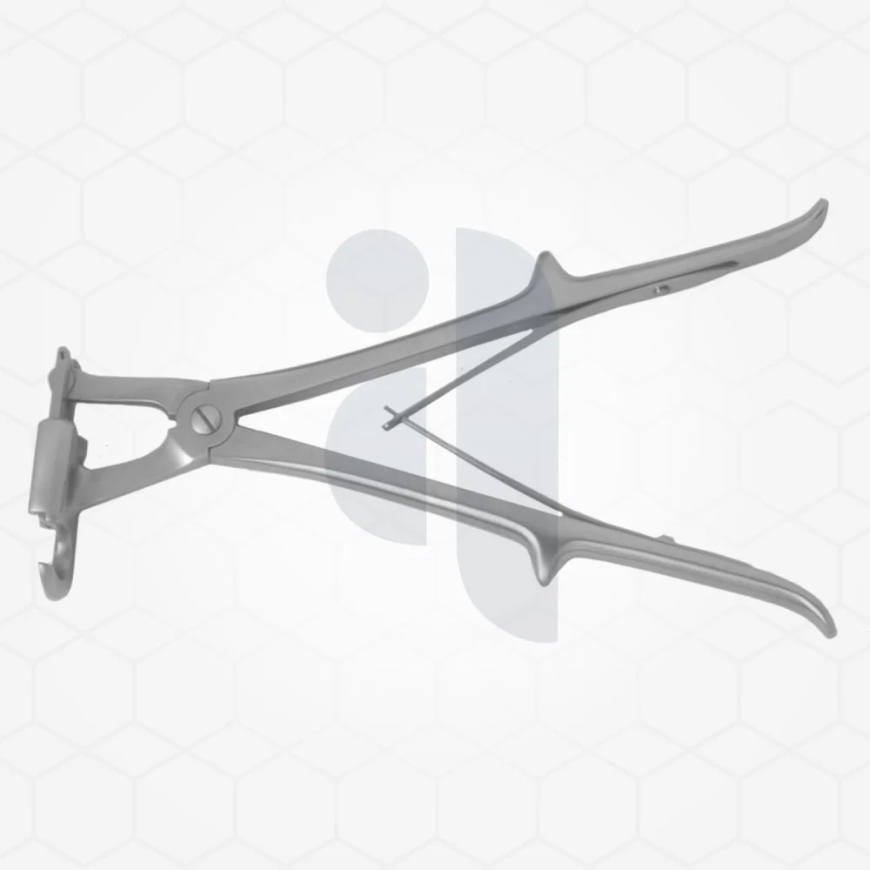
Cardiothoracic and orthopedic surgeries demand tools that combine sheer mechanical power with absolute control. When accessing the thoracic cavity, surgeons must navigate rigid bone structures cleanly to protect underlying vascular networks and lung tissue. The rib shear stands out as the core instrument engineered specifically to meet this demanding mechanical challenge. This guide explores the design, clinical utility, and material standards required to execute flawless bone modifications during complex chest wall procedures.
The Biomechanics of Thoracic Access Tools
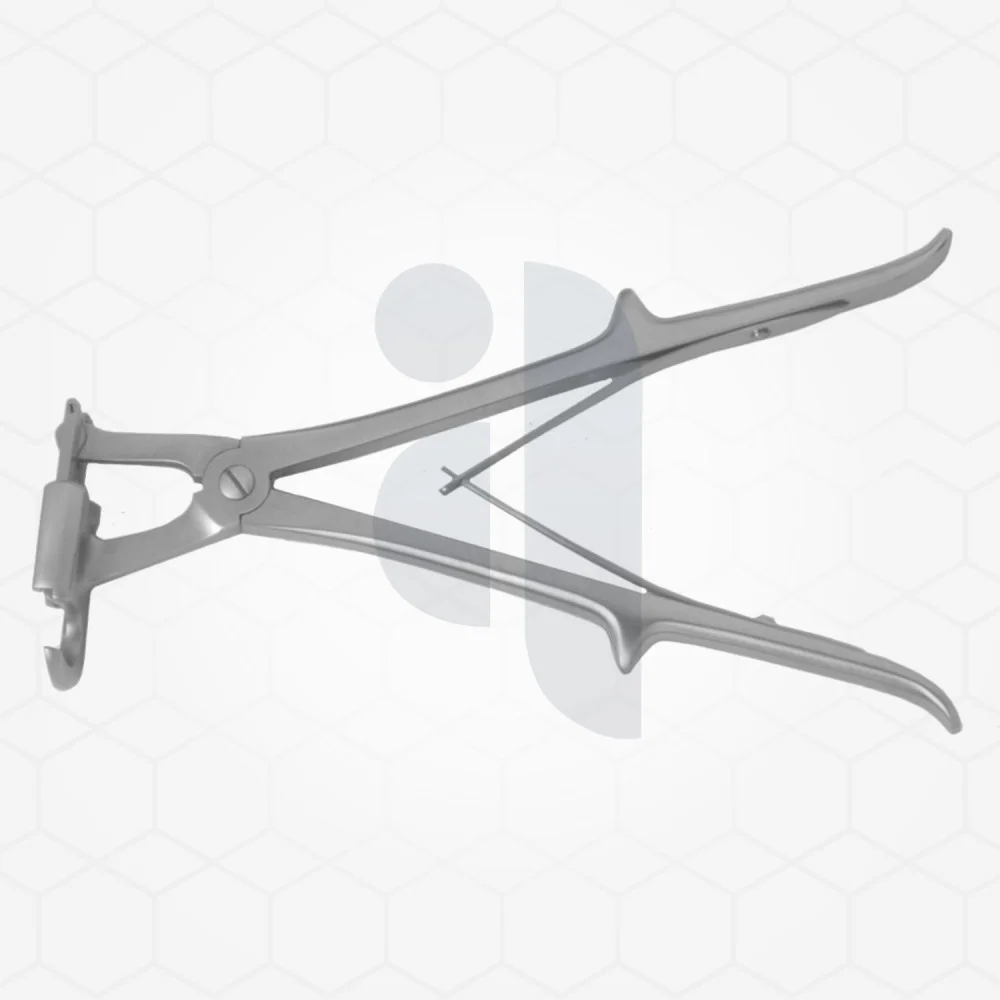
Understanding the engineering behind heavy-duty cutting instruments is vital for modern surgical teams. A premium rib shear utilizes a compound-action joint mechanism or a highly specialized curved blade profile designed to multiply the manual force exerted by the operator. This mechanical advantage ensures that dense cortical bone is divided seamlessly in a single, controlled motion. By distributing pressure evenly across the cutting surface, the tool minimizes splintering and prevents micro-fractures along the remaining margins of the rib bone.
A clean, atraumatic osteotomy (bone cut) is essential because it directly influences patient recovery times and post-operative pain management. When bone edges are smooth and structurally sound, the surrounding intercostal nerves and blood vessels face significantly lower risks of irritation or secondary trauma. This precise mechanical action allows surgical teams to establish an optimized surgical field quickly, shifting their focus to internal thoracic structures without delay.
Complementary Instruments in the Surgical Field
While access to the thoracic cavity requires heavy-duty bone cutters, working inside the delicate layers of the chest wall calls for a diverse set of instruments. For instance, after utilizing a rib shear to modify bone structures, a surgeon often transitions to finer instruments to dissect thin intercostal membranes, pleura, or delicate vascular bundles. Instruments like the specialized iris scissor play a critical role in this phase of the operation, providing the micro-precision needed to trim delicate soft tissues or snip fine sutures without damaging neighboring structures.
Balancing muscle-powered bone cutters with high-precision instruments ensures that the entire surgical team can transition effortlessly from macro-access to micro-dissection. Having an iris scissor readily available alongside robust thoracic tools creates a versatile surgical environment where tissue integrity is respected at every level. This strategic pairing highlights how different tool geometries work in tandem to optimize patient outcomes.
Key Design Variations for Diverse Patient Anatomy
Not all thoracic procedures are identical, meaning a single tool cannot fit every clinical scenario. Premium instruments are manufactured in several configurations, including variations like the Bethune, Gluck, or Stille patterns. Some models feature a heavy curved blade designed to hook beneath the rib bone safely, shielding the underlying parietal pleura from accidental punctures. Other designs utilize a straight, heavy-duty jaw mechanism that provides maximum line-of-sight visibility during anterior chest wall reconstructions.
The choice of handle design is equally critical for reducing user fatigue during lengthy operating room procedures. Ergonomic, spring-loaded handle systems are highly favored because they reset the jaw automatically after each cut, reducing hand strain for the surgeon. Selecting the correct instrument pattern allows surgical staff to adapt dynamically to variations in patient anatomy, ensuring safe and predictable bone manipulation.
Material Excellence and Longevity Standards
The structural demands placed on thoracic cutters mean that material selection cannot be compromised. A high-quality rib shear must be forged from premium-grade medical stainless steel or hardened titanium alloys. These materials are explicitly selected for their high tensile strength and resilience, ensuring that the sharp cutting edges do not dull or pit when meeting dense bone surfaces. Furthermore, superior metallurgy provides excellent resistance against corrosion and the repeated thermal stress of autoclaving cycles.
Azeemed Instruments is dedicated to providing high-quality surgical tools that meet the needs of professionals. By combining precise manufacturing tolerances with rigorous quality control, these tools deliver consistent performance over a long operational lifespan. Investing in premium instruments ensures that the cutting surfaces remain perfectly aligned, preventing tissue tearing and maintaining the reliable tactile feedback that surgeons rely on during critical procedures.
Cleaning and Maintenance Protocols for Heavy Instruments
To preserve the fine alignment and edge sharpness of a heavy-duty rib shear, surgical departments must adhere to meticulous decontamination and maintenance workflows. Because these instruments feature complex joint assemblies and heavy blade interfaces, biological debris can easily collect in the hinge mechanisms. Immediate post-operative rinsing and the use of neutral pH enzymatic cleaners are essential steps to prevent bioburden buildup and surface staining.
Regular inspection should focus on checking the pivot pin for looseness and examining the blade edges for any microscopic nicks. Applying high-grade, water-soluble surgical lubricants to the moving joints before sterilization ensures smooth mechanical action during the next procedure. Following these disciplined maintenance protocols protects the facility's investment and guarantees that the instrument performs flawlessly the moment it enters the sterile field.
What's Your Reaction?
 Like
0
Like
0
 Dislike
0
Dislike
0
 Love
0
Love
0
 Funny
0
Funny
0
 Angry
0
Angry
0
 Sad
0
Sad
0
 Wow
0
Wow
0