



















Mounjaro Injection and Appetite Control in Jeddah
Mounjaro Injection and Appetite Control in Jeddah

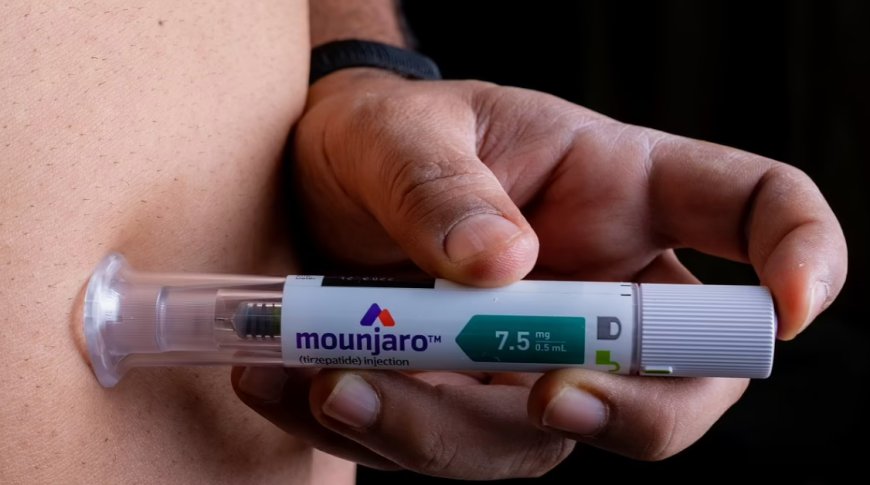
Mounjaro Injection and Appetite Control: How Tirzepatide Rewires Hunger
One of the most noticeable and transformative effects of starting Mounjaro (tirzepatide) is a profound shift in how you experience hunger, cravings, and food satisfaction. For individuals managing metabolic health or weight loss under medical supervision in Jeddah, understanding the science behind this appetite regulation can help you adapt to your treatment with confidence.
Learn more about Mounjaro injection in Jeddah, including its benefits, treatment process, and important considerations.
1. The Dual-Action Mechanism: GIP and GLP-1
Unlike older therapies that target only a single pathway, Mounjaro is a first-in-class dual receptor agonist that activates both GIP (glucose-dependent insulinotropic polypeptide) and GLP-1 (glucagon-like peptide-1) receptors.
-
Targeting Brain Satiety Centers: These natural incretin hormones interact directly with specific regions in the brain (such as the hypothalamus) that govern appetite, energy balance, and reward pathways.
-
Quieting "Food Noise": Many patients report a dramatic reduction in obsessive thoughts about food, late-night cravings, and constant psychological triggers to snack, making it far easier to adhere to healthy nutritional habits.
2. Slowing Gastric Emptying for Prolonged Fullness
Physiologically, Mounjaro alters the speed at which your digestive system processes food.
-
Extended Digestion: The medication slows down gastric emptying—the rate at which food leaves your stomach and enters the small intestine.
-
Early Satiety: Because food stays in your stomach longer, you reach a comfortable feeling of fullness much faster during a meal, naturally preventing overeating without requiring forced dietary restriction.
3. The Timeline: What to Expect During Titration
Appetite control does not always happen overnight; it unfolds progressively as your body adapts to the medication:
-
The Starting Phase (2.5 mg): During the first 4 weeks, the 2.5 mg starting dose is primarily designed to acclimate your digestive system. While some patients feel an immediate drop in appetite, others notice only subtle changes until they step up to higher maintenance doses.
-
Dose Escalation: As your physician gradually increases your dose every 4 weeks (moving to 5 mg, 7.5 mg, or higher), the intensity of appetite suppression typically stabilizes and becomes more consistent.
4. Practical Nutrition Tips for Managing Appetite Shifts
Because Mounjaro alters your natural hunger cues, aligning your eating habits with your body's new physiological pace is essential:
-
Listen to Your Body: Stop eating the moment you feel satisfied, even if there is food left on your plate. Ignoring these early satiety cues and eating past comfortable fullness can trigger nausea or reflux.
-
Prioritize Nutrient Density: Since your overall food intake will naturally decrease, focus on high-quality, protein-rich foods, healthy fats, and fiber to ensure you maintain proper nourishment and energy levels throughout the week.
-
Stay Consistent with Hydration: It is easy to mistake mild dehydration for hunger or fatigue. Sip water consistently between meals to support digestion and avoid treatment-related headaches.
By understanding how Mounjaro structurally recalibrates your body's hunger signaling, you can work closely with your physician or clinical team in Jeddah to build sustainable, long-term lifestyle habits.
Would you like to explore structured dietary strategies or sample meal plans tailored to support your first month on Mounjaro?
What's Your Reaction?
 Like
0
 Dislike
0
 Love
0
 Funny
0
 Angry
0
 Sad
0
 Wow
0