

















Mushroom Gummies for Depression: A Simple Guide
Learn what research says about mushroom gummies for depression, functional mushrooms, psilocybin, safety, and their potential role in mental wellness.
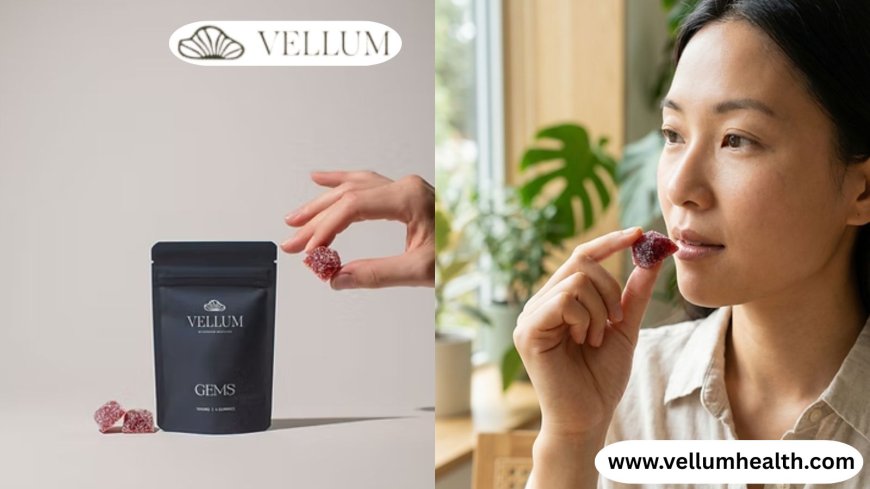
When people search for mushroom gummies for depression, they may be looking for a natural way to support mood, stress, or emotional well-being. Mushroom products have become increasingly popular in the wellness space, with gummies offering a convenient alternative to capsules or powders.
But there is an important distinction to understand.
Mushroom gummies are not all the same, and there is currently not enough evidence to say that commercially available mushroom gummies are a proven treatment for depression. Some functional mushrooms have been studied for mood and cognitive health, while psilocybin-containing mushrooms are being investigated in clinical research for depression under controlled conditions. These are very different situations.
Understanding the difference can help you make sense of the claims surrounding mushroom supplements and depression.
What Are Mushroom Gummies?
Mushroom gummies are chewable supplements that may contain mushroom powders, mushroom extracts, or a combination of mushroom ingredients.
Depending on the product, the formula may include functional mushrooms such as:
-
Lion's Mane
-
Reishi
-
Cordyceps
-
Turkey Tail
-
Chaga
Some products may also contain vitamins, minerals, herbs, or other ingredients intended to support general wellness.
The word "mushroom" alone does not tell you what a product is designed to do. A functional mushroom gummy and a psilocybin-containing product can have completely different ingredients, effects, risks, and legal considerations.
That is why reading the ingredient label is more useful than relying on the front of the package.
Can Mushroom Gummies Help With Depression?
The evidence depends heavily on the type of mushroom being discussed.
Functional mushrooms have attracted scientific interest because some compounds found in mushrooms may interact with biological processes involved in inflammation, nerve growth, stress, and cognition. However, research specifically showing that functional mushroom gummies treat clinical depression is limited.
For example, a small randomized study involving 30 women investigated Lion's Mane (Hericium erinaceus) over four weeks and reported improvements in some measures related to depression and general complaints. However, the study was small and conducted in a specific population, so its findings cannot establish Lion's Mane as a treatment for depression.
More recent research has also examined Lion's Mane and mood in healthy young adults, but these studies do not establish it as a treatment for major depressive disorder.
In other words, early research is interesting, but it is not the same as clinical proof.
Functional Mushrooms vs. Psilocybin Mushrooms
This is one of the most important distinctions when researching mushroom gummies.
Functional Mushroom Gummies
Functional mushroom products generally contain non-psychoactive mushrooms or their extracts.
They are typically marketed around areas such as:
-
General wellness
-
Cognitive support
-
Stress management
-
Energy
-
Immune support
Lion's Mane is particularly popular in products marketed for cognitive and neurological wellness. However, evidence for using it specifically to treat depression remains limited.
Psilocybin-Containing Mushrooms
Psilocybin is a psychedelic compound found in certain mushroom species.
Unlike functional mushrooms, psilocybin-containing mushrooms can produce significant changes in perception, mood, cognition, and sensory experience.
Clinical research into psilocybin-assisted therapy for depression has produced promising results. A 2025 systematic review of 22 studies concluded that psilocybin therapy shows potential antidepressant effects, while also emphasizing the need for further research into long-term effects and treatment protocols.
However, these studies generally involve controlled clinical settings, carefully selected participants, psychological support, and standardized research protocols.
That is very different from taking an over-the-counter mushroom gummy.
What Does Research Say About Psilocybin and Depression?
Psilocybin is one reason searches for mushroom products and depression have increased.
A systematic review and meta-analysis published in 2023 found that psilocybin-assisted therapy was associated with substantial reductions in depressive symptoms across the studies included.
More recent research continues to investigate how psilocybin-assisted therapy may work and which treatment approaches produce the most consistent outcomes. A 2026 systematic review found a significant antidepressant effect across seven randomized controlled trials, while also highlighting the importance of how treatment is structured and delivered.
This research is encouraging, but it should not be interpreted as evidence that people can simply substitute commercially available mushroom gummies for clinical treatment.
The research involves specific formulations, controlled conditions, screening, supervision, and psychological support.
What About Mood Boosting Supplements?
You may also see mushroom gummies grouped with mood boosting supplements.
This category can include mushroom extracts, vitamins, minerals, herbal ingredients, amino acids, and other nutritional products.
The challenge is that "mood boosting" is a broad marketing term rather than a clinical diagnosis or standardised treatment category.
A supplement may support general nutritional health without treating depression.
If you are experiencing persistent sadness, loss of interest, hopelessness, changes in sleep or appetite, or difficulty functioning in daily life, it is important to consider whether professional mental health support is appropriate rather than relying on supplements alone.
Are Mushroom Gummies for ADHD the Same Thing?
No.
Searches for mushroom gummies for ADHD often appear alongside searches about mood and cognitive support, but ADHD and depression are different conditions.
Likewise, vitamins for ADHD are not automatically treatments for depression.
A supplement containing Lion's Mane, vitamins, or other functional ingredients may be marketed for focus, mood, or general cognitive wellness, but marketing claims should not be confused with evidence that the product treats a specific mental-health condition.
The same principle applies to any supplement: look at the actual ingredients and the research behind them rather than assuming that a product works because of its category.
What Should You Check Before Choosing a Mushroom Gummy?
If you are considering a mushroom gummy as part of a general wellness routine, start with the label.
1. Identify the Mushroom
Find out exactly which mushroom is included.
"Lion's Mane extract" provides much more information than simply saying "mushroom blend."
2. Check Whether It Is an Extract or Powder
A mushroom powder and a mushroom extract are not necessarily equivalent. Extraction methods can affect which compounds are present.
3. Look at the Full Ingredient List
Some gummies contain added vitamins, herbs, sweeteners, or other active ingredients.
Understanding the complete formula makes it easier to assess what you are actually consuming.
4. Be Careful With Health Claims
Claims such as "cures depression," "replaces antidepressants," or "guaranteed mood improvement" should be treated with considerable caution.
A responsible supplement should not be presented as a substitute for appropriate medical care.
Are Mushroom Gummies Safe for Depression?
Safety depends on the ingredients and the person using the product.
Functional mushroom supplements may cause side effects or interact with medications, so people taking prescription medicines should discuss supplements with a healthcare professional.
Psilocybin requires additional caution. NCCIH notes that psilocybin experiences can be unpredictable and may involve anxiety, panic, increased heart rate or blood pressure, nausea, paranoia, and other adverse effects. It also notes particular safety concerns for people with certain psychiatric conditions.
The legal status of psilocybin also varies by jurisdiction, so products containing it should not be treated as equivalent to ordinary functional mushroom supplements.
Frequently Asked Questions
Do mushroom gummies treat depression?
There is currently insufficient evidence to say that commercially available mushroom gummies treat depression. Research on individual functional mushrooms is still developing.
Which mushroom is best for depression?
There is no functional mushroom that has been established as the "best" treatment for depression. Lion's Mane has been studied for mood and cognitive effects, but the available evidence remains limited.
Are mushroom gummies the same as psilocybin?
No. Many mushroom gummies contain functional mushrooms and do not contain psilocybin. Psilocybin is a psychedelic compound found in certain mushroom species.
Can mushroom gummies replace antidepressants?
They should not be assumed to replace prescribed antidepressants or other professional depression treatment. Speak with a healthcare professional before changing an established treatment plan.
Can Lion's Mane help with mood?
Early research suggests Lion's Mane may influence some measures related to mood and cognition, but evidence remains limited and does not establish it as a treatment for depression.
Conclusion
The growing interest in mushroom gummies for depression reflects a broader interest in natural approaches to mental wellness. But the science is more nuanced than many product claims suggest.
Functional mushrooms such as Lion's Mane are being researched for their potential effects on mood and cognition, but evidence for treating depression remains limited. Psilocybin research is further along in demonstrating potential antidepressant effects, yet clinical studies involve controlled treatment settings that are fundamentally different from commercially available mushroom gummies.
If you are exploring mushroom supplements, focus on understanding the specific mushroom, the form used, the available research, and potential safety considerations.
For more evidence-informed information about functional mushrooms, mushroom supplements, and emerging research, explore Vellum Health's educational resources and stay curious about what the science actually shows.
What's Your Reaction?
 Like
0
 Dislike
0
 Love
0
 Funny
0
 Angry
0
 Sad
0
 Wow
0