









Delayed Pain After a Winter Car Accident in Calgary: When Should You Consider MVA Physiotherapy?
Learn about delayed pain after a winter car accident and how MVA Physiotherapy in Calgary may support assessment and rehabilitation at Genesis Physiotherapy.
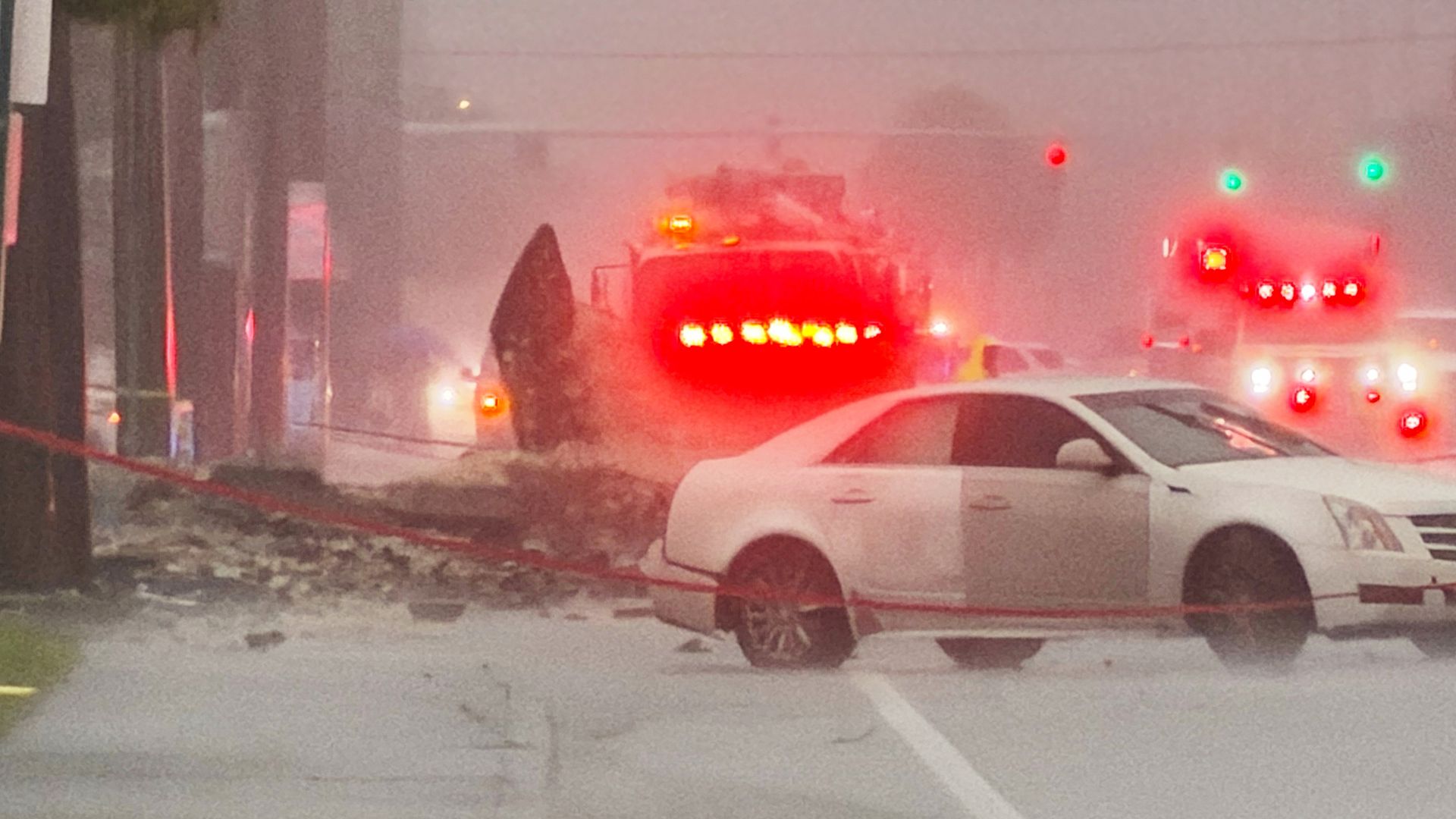
A car accident on snowy roads may cause physical discomfort that is not immediately noticeable. Motor Vehicle Accident Physiotherapy Calgary services may be considered by people who develop neck stiffness, back discomfort, headaches, or muscle soreness in the hours or days following a collision. Even when a vehicle appears to have minor damage, it is important to pay attention to changes in your physical condition. Understanding delayed accident symptoms, knowing when to seek medical attention, and learning about MVA Physiotherapy may help you make informed decisions about your care.
Why Does Pain Sometimes Appear After a Car Accident?
During a collision, the body experiences sudden forces that may affect muscles, joints, and other structures. Stress and adrenaline may also make it difficult to notice discomfort immediately.
After the initial incident, symptoms may become more noticeable as normal activities resume. The severity and timing of symptoms vary from person to person.
Winter driving conditions in Calgary, including icy intersections, slippery roads, and reduced visibility, may contribute to different types of vehicle collisions.
5 Common Symptoms That May Develop After a Winter Collision
1. Neck Pain and Stiffness
A sudden forward-and-backward movement of the head during a collision may contribute to neck discomfort. Some people experience stiffness, reduced neck movement, or tenderness around the shoulders.
Whiplash-associated symptoms may develop after a motor vehicle accident and should be assessed by an appropriate healthcare provider.
2. Back Discomfort
The impact of a collision may place stress on the back. People may notice lower back discomfort, muscle tightness, or difficulty bending and sitting for extended periods.
A healthcare assessment may help identify the possible source of these symptoms.
3. Shoulder Pain
Seatbelt positioning and sudden body movements during an accident may contribute to shoulder discomfort. Symptoms may include tenderness, stiffness, or difficulty lifting the arm.
4. Headaches and Dizziness
Headaches may occur after a collision for different reasons, including neck-related problems or a possible head injury. Dizziness may also develop following an accident.
A headache accompanied by confusion, vomiting, loss of consciousness, or worsening symptoms requires urgent medical assessment.
5. Muscle Soreness and Reduced Mobility
Muscles may become sore or tight following the sudden forces associated with a collision. Some people may notice difficulty turning, reaching, walking, or completing everyday activities.
Persistent or worsening symptoms should be discussed with a healthcare provider.
When Should You Seek Medical Attention?
Do not ignore new symptoms after a vehicle collision. Arrange a medical assessment if you notice persistent pain, stiffness, headaches, dizziness, or changes in your ability to move comfortably.
Seek emergency medical care for warning signs such as:
-
Loss of consciousness
-
Severe or worsening headache
-
Repeated vomiting
-
Confusion or unusual behaviour
-
Weakness, numbness, or difficulty walking
-
Severe neck or back pain
-
Difficulty breathing
A healthcare provider may recommend further evaluation depending on the accident and your symptoms.
How May MVA Physiotherapy Help After a Car Accident?
Once an appropriate medical assessment has been completed, physiotherapy may be considered as part of a rehabilitation plan. MVA Physiotherapy focuses on evaluating physical concerns that may affect movement and daily activities after a motor vehicle accident.
Depending on the individual's condition, treatment may include:
-
Movement assessment: Reviewing joint mobility, posture, and functional movements.
-
Therapeutic exercises: Using suitable exercises to address strength and movement concerns.
-
Mobility activities: Working on comfortable movement of affected areas.
-
Manual therapy: Using appropriate hands-on techniques when indicated.
-
Movement education: Discussing posture, daily activities, and ways to manage physical demands.
The treatment approach depends on the assessment findings, symptoms, and individual needs. Physiotherapy does not replace medical evaluation when an injury requires further investigation.
Understanding the MVA Physiotherapy Process in Calgary
People considering Motor Vehicle Accident Physiotherapy Calgary services may have questions about what happens during their first appointment.
The process may involve:
-
Discussing the accident and how it occurred.
-
Reviewing current symptoms and relevant medical history.
-
Assessing movement, strength, and areas of discomfort.
-
Discussing suitable treatment options.
-
Developing a rehabilitation plan based on individual needs.
Patients may also ask the clinic about appointment procedures, required documents, and insurance-related information.
Why Follow-Up Care Matters
Symptoms and physical needs may change during the weeks following a collision. Follow-up appointments provide an opportunity to discuss progress, report new concerns, and review the treatment plan.
A physiotherapist may adjust exercises and rehabilitation activities according to the patient's comfort, movement, and functional needs. Patients should follow medical guidance before returning to strenuous activities, particularly when a head, neck, or spinal injury is suspected.
Motor Vehicle Accident Physiotherapy at Genesis Physiotherapy
Genesis Physiotherapy provides physiotherapy services in Falconridge, Northeast Calgary. People experiencing physical concerns following a motor vehicle accident may contact the clinic to discuss assessment and rehabilitation options.
Depending on individual needs, treatment may include therapeutic exercises, mobility activities, strengthening, manual therapy, and movement education.
Genesis Physiotherapy Contact Details
-
Address: 7555 Falconridge Blvd NE, Unit 23, Calgary, AB T3J 0C9
-
Phone: (403) 453-2420
-
Website: https://www.genesisphysio.ca/
Frequently Asked Questions
1. Can pain develop several days after a car accident?
Yes. Some symptoms, such as neck stiffness, headaches, and muscle soreness, may become noticeable hours or days after a collision. Seek medical advice when symptoms appear.
2. What injuries are commonly associated with winter car accidents?
Possible concerns include whiplash-associated disorders, muscle strains, back discomfort, shoulder injuries, and head injuries. The type and severity of injury depend on the circumstances of the collision.
3. What happens during an MVA physiotherapy assessment?
An assessment may include a discussion of the accident, symptom history, movement, strength, and daily activities. The physiotherapist may then discuss suitable rehabilitation options.
4. Should I start physiotherapy before seeing a healthcare provider?
If you have new symptoms after a collision, seek an appropriate medical assessment first. Urgent or potentially serious injuries require medical attention before routine rehabilitation.
5. Where can I find Motor Vehicle Accident Physiotherapy in Calgary?
Genesis Physiotherapy is located in Falconridge, Northeast Calgary. You may contact the clinic at (403) 453-2420 to ask about MVA physiotherapy appointments.
Final Thoughts
Physical symptoms after a winter car accident may not always appear immediately. Paying attention to changes in your condition, seeking medical advice, and understanding available rehabilitation options are important steps after a collision. Motor Vehicle Accident Physiotherapy Calgary services may be considered when ongoing physical concerns affect movement or daily activities. Genesis Physiotherapy provides assessment-based physiotherapy services in Northeast Calgary for people looking to discuss their rehabilitation needs.
What's Your Reaction?
 Like
0
 Dislike
0
 Love
0
 Funny
0
 Angry
0
 Sad
0
 Wow
0