













What Happens After a Negative Hepatitis C Test?
Understand what a negative Hepatitis C test means, when follow-up testing may be needed, and why timing and exposure history can matter when interpreting results.

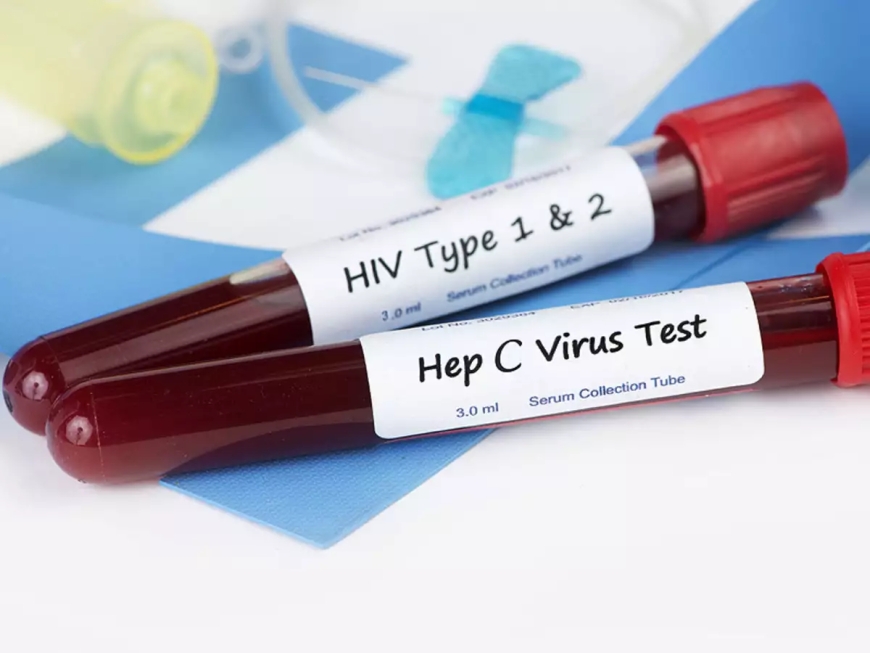
Receiving a negative result from a Hepatitis C Test in Dubai can be reassuring, but understanding exactly what the result means is important. A negative test generally indicates that the specific marker or virus being tested for was not detected at the time of testing.
However, different Hepatitis C tests look for different things. An antibody test looks for antibodies produced by the immune system after exposure, while an HCV RNA test looks for the genetic material of the virus itself.
The meaning of a negative result therefore depends on the type of test performed and the timing of the test.
For people who have not had a recent possible exposure, a negative result may provide useful reassurance. If exposure occurred recently, however, a healthcare professional may recommend additional testing depending on the circumstances.
Understanding Different Types of Hepatitis C Tests
Hepatitis C testing can involve more than one type of laboratory test. The initial screening test commonly checks for antibodies against HCV.
If antibodies are not detected, this generally suggests that there has not been a detectable immune response to Hepatitis C. However, very recent infection may not yet produce detectable antibodies.
Another important test is HCV RNA testing. This test looks for the virus itself and can help identify current infection.
Understanding which test was performed is therefore essential when interpreting a negative result. A healthcare professional can explain whether the test was designed to detect antibodies, viral genetic material, or another marker.
Enfiled STD Clinic and Understanding Negative Results
People receiving a negative result may still have questions about whether additional testing is necessary. At Enfiled STD Clinic, individuals can discuss their testing concerns with healthcare professionals and better understand what their laboratory results may indicate.
The healthcare provider may ask about the reason for testing, possible exposure, previous test results, and when a possible exposure occurred.
This information can help determine whether the existing result provides sufficient reassurance or whether follow-up testing could be appropriate.
A negative result should always be interpreted in relation to the type of test and the individual's circumstances rather than viewed in isolation.
Can a Negative Result Be Received Too Early?
Yes. Testing very soon after a possible exposure can sometimes produce a negative result even when infection has occurred.
This is because different tests have different detection windows. The body may need time to produce detectable antibodies, while viral RNA may become detectable at a different stage.
For someone concerned about a recent possible exposure, telling the healthcare provider exactly when the exposure occurred can be particularly helpful.
The provider can then recommend an appropriate testing strategy based on the situation.
What Is the Window Period?
The window period refers to the time between infection and the point when a particular test can reliably detect the infection.
The length of this period varies depending on the type of test and individual circumstances. An antibody test and an HCV RNA test do not necessarily become positive at the same time.
Because of this, a negative result shortly after a possible exposure may not always provide the same level of reassurance as a negative result obtained after an appropriate testing interval.
Anyone concerned about recent exposure should discuss the timing of testing with a healthcare professional.
Should You Repeat a Hepatitis C Test?
Whether repeat testing is necessary depends on several factors. If there was no recent exposure and the appropriate test was performed at a suitable time, additional testing may not be necessary unless recommended for another reason.
If the possible exposure was recent, however, a healthcare professional may recommend repeating the test after an appropriate interval.
Repeat testing can also be considered when there is uncertainty about the original test, ongoing risk of exposure, or other clinical concerns.
The decision should be based on the individual's circumstances rather than a fixed schedule that applies to everyone.
Does a Negative Test Rule Out Hepatitis C Completely?
A negative result can be reassuring, but no medical test should be interpreted without considering its limitations.
If an antibody test is negative after a sufficiently long period without recent exposure, it generally provides useful evidence against previous detectable exposure. However, if exposure occurred recently, the result may need to be interpreted differently.
Similarly, if there are particular medical concerns, a healthcare professional may recommend additional evaluation even after a negative result.
The goal is to use the appropriate test at the appropriate time to obtain the most meaningful information.
Can Hepatitis C Occur Without Symptoms?
Hepatitis C can sometimes occur without obvious symptoms. A person may feel healthy while an infection is present.
This means that the absence of symptoms does not necessarily confirm that someone is free from Hepatitis C.
Some people may develop tiredness, nausea, abdominal discomfort, dark urine, or yellowing of the skin or eyes, but these symptoms are not unique to Hepatitis C. Other conditions can produce similar symptoms.
Testing is therefore more useful than relying on symptoms alone when there is a reason to consider Hepatitis C.
What If You Had a Recent Possible Exposure?
If you recently experienced a situation that could have exposed you to Hepatitis C, inform the healthcare professional before testing.
Details such as the approximate date of the possible exposure can help the provider understand whether the test was performed at an appropriate time.
Depending on the circumstances, the provider may recommend an HCV RNA test, antibody testing, repeat testing, or another form of medical evaluation.
Avoiding unnecessary delays in follow-up can help reduce uncertainty and ensure that appropriate testing is completed.
Why Professional Interpretation Matters
Laboratory reports often contain technical terms that may not be immediately clear. Words such as “non-reactive,” “negative,” “detected,” or “not detected” can have specific meanings depending on the test.
A healthcare professional can explain what the particular result means and whether any further testing is recommended.
Professional interpretation is especially useful when multiple tests have been performed or when the test was taken after a recent possible exposure.
Instead of relying only on a test result displayed on a laboratory report, discussing the result with an appropriate healthcare provider can provide better context.
What Should You Do After a Negative Result?
If your Hepatitis C test is negative, keep the laboratory report for your records and ask whether any follow-up is necessary.
If there was no recent exposure and the healthcare provider considers the result conclusive for your circumstances, you may not need additional testing.
If the test was performed soon after a possible exposure, follow the healthcare provider's recommendations about repeat testing.
It is also important to remember that a negative Hepatitis C test does not protect against future exposure. Prevention and appropriate testing remain important when new risk factors arise.
Final Thoughts
A negative Hepatitis C Test in Dubai can provide valuable reassurance, but the result should always be understood in the context of the test type, timing, and individual circumstances.
A negative result after an appropriate testing period can be reassuring, while testing too soon after a possible exposure may require follow-up. Antibody tests and HCV RNA tests also provide different types of information.
If you have concerns about a recent possible exposure or are unsure whether your negative result is conclusive, speaking with a qualified healthcare professional is the best way to determine whether additional testing is appropriate.
What's Your Reaction?
 Like
0
 Dislike
0
 Love
0
 Funny
0
 Angry
0
 Sad
0
 Wow
0