
















Network Cable Installers for Reliable Business Networks
Learn how professional network cable installers support reliable connectivity, organized infrastructure, scalability, maintenance, and efficient business networks.

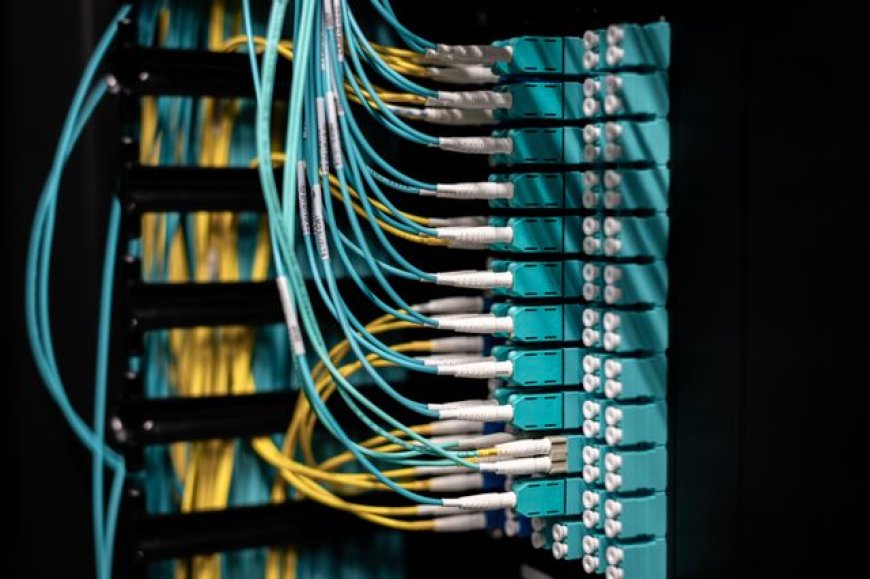
Modern businesses rely heavily on dependable network connectivity. Computers, phones, servers, wireless access points, security systems, printers, and cloud-based applications all depend on a well-designed infrastructure. At the center of that infrastructure is the physical cabling that connects devices and enables information to move efficiently throughout a building.
Businesses looking for professional network cable installers need more than someone who can simply run cables from one point to another. A successful network installation requires careful planning, suitable cabling, organized routing, proper termination, testing, documentation, and consideration of future requirements.
Working with an experienced provider such as can help organizations approach network infrastructure as a long-term investment rather than a temporary installation.
What Do Network Cable Installers Do?
Network cable installers are professionals who install the physical cabling infrastructure used to connect devices and network equipment. Their work can include planning cable routes, installing cables, terminating connections, labeling outlets, organizing network racks, testing connections, and helping ensure that the finished installation meets the requirements of the network.
Depending on the project, installers may work with different types of network cabling and related infrastructure. The appropriate solution depends on factors such as network requirements, building layout, distance, equipment, expected data usage, and future expansion.
A professional installation should provide more than connectivity. It should create an organized infrastructure that technicians can understand and maintain later.
Why Professional Network Cabling Matters
A network can only perform as well as its supporting infrastructure allows. Poorly installed or poorly organized cabling can make troubleshooting difficult and create unnecessary challenges when businesses need to expand or modify their systems.
Professional network cable installation can help organizations establish a structured foundation for their IT environment.
An organized cabling system can make it easier to identify individual connections, maintain equipment, troubleshoot problems, and introduce new devices. Proper cable management can also contribute to a cleaner and more professional technical environment.
For growing businesses, planning the cabling infrastructure correctly from the beginning can reduce the complications associated with future expansion.
Structured Cabling and Network Installation
Structured cabling is an organized approach to designing and installing network infrastructure. Instead of treating every cable as an individual connection, structured cabling creates a standardized system that can support multiple technologies and future requirements.
A structured cabling installation may include horizontal cabling, backbone cabling, patch panels, telecommunications outlets, racks, cable management systems, and other components.
The goal is to create an infrastructure that is organized, scalable, and easier to manage.
For example, an office may initially have a limited number of computers and phones. As the organization grows, it may add additional employees, wireless access points, security cameras, printers, servers, and other connected equipment. A properly designed cabling infrastructure can provide a foundation for these changes.
Choosing the Right Network Cable
Not every network cable is appropriate for every environment. The selection should be based on the requirements of the network and the physical characteristics of the installation.
Different cable categories can provide different performance characteristics. Factors such as bandwidth requirements, transmission distance, electromagnetic interference, installation environment, and future technology needs should be considered.
Network cable installers can help businesses understand the available options and select an appropriate solution for the project.
Choosing suitable cable from the beginning can be important because replacing infrastructure later may require additional labor, disruption, and expense.
The Importance of Cable Management
Cable management is an important part of professional network installation.
A network room containing tangled, unlabeled cables can become difficult to maintain. When a connection needs to be traced or a device needs to be replaced, technicians may spend unnecessary time identifying the correct cable.
Organized cable management can help improve accessibility and make troubleshooting more efficient.
Installers may use cable trays, racks, patch panels, cable ties, labeling systems, and other management methods to maintain an orderly installation.
Good organization also makes future modifications easier. When additional cables need to be installed, technicians can work within a clearly defined infrastructure rather than navigating an unstructured collection of existing cables.
Network Cable Installation for Offices
Office environments often have a wide range of connected devices. Employees may use desktop computers, laptops, VoIP phones, printers, video conferencing equipment, wireless access points, and other network-enabled systems.
A reliable cabling infrastructure can support these devices while helping maintain an organized workspace.
During an office installation, network cable installers may consider the location of workstations, network rooms, access points, conference rooms, server equipment, and other areas requiring connectivity.
Planning cable routes before installation can help minimize unnecessary cable runs and create a more efficient infrastructure.
Network Infrastructure for Growing Businesses
Business growth often brings increased technology requirements. Additional employees may require new workstations, while expanding operations may introduce additional servers, access points, security systems, and communication devices.
This is why scalability should be considered during the initial network design.
A network installation that only addresses today's requirements may become difficult to expand later. By considering future needs, businesses can establish infrastructure that provides greater flexibility.
Professional network cable installers can help identify opportunities for future expansion and incorporate appropriate capacity into the installation plan.
Installation Planning and Site Assessment
Before cables are installed, a site assessment can provide valuable information about the building and the project requirements.
Installers may review the building layout, network equipment locations, cable pathways, telecommunications rooms, power considerations, existing infrastructure, and potential obstacles.
A site assessment can also help identify areas where additional planning may be necessary.
For larger installations, documentation and labeling become particularly important. A clear record of cable routes, outlets, patch panels, and connections can make future maintenance more efficient.
Testing Network Cabling
Installation is only one part of professional network cabling. Testing is also important.
Network cable installers can test installed connections to identify potential issues with termination, continuity, performance, or other aspects of the cabling system.
Testing helps confirm that the installed infrastructure is functioning as intended and can help identify problems before the network becomes fully operational.
Documentation of testing results can also be useful for future maintenance and troubleshooting.
Benefits of Professional Network Cable Installation
Working with experienced installers can provide several practical benefits.
Improved Organization
Professionally installed cabling can create a cleaner and more organized network infrastructure. Proper labeling and cable management can make individual connections easier to identify.
Easier Maintenance
When cables and network equipment are organized, technicians can often troubleshoot and perform maintenance more efficiently.
Greater Scalability
A properly planned infrastructure can provide room for future expansion, helping businesses accommodate additional users and devices.
Better Infrastructure Planning
Professional installers can evaluate the physical environment and help develop a cabling layout based on the requirements of the business.
Long-Term Practicality
Network infrastructure is often expected to remain useful for years. Investing in proper installation and organization can help create a system that is easier to manage throughout its operational life.
Common Network Cabling Mistakes to Avoid
Businesses can encounter several problems when network cabling is installed without adequate planning.
One common issue is excessive cable length. Unnecessary cable runs can make network rooms difficult to organize.
Another issue is poor labeling. Without clear labels, identifying individual connections can become time-consuming.
Improper cable routing can also create maintenance challenges. Cables should be routed in a way that protects them from unnecessary physical stress and makes future access practical.
Using inappropriate cable for the intended application is another concern. Cable selection should take the network's requirements and installation environment into account.
Finally, failing to plan for future expansion can result in a network infrastructure that becomes difficult to modify as the business grows.
Network Cabling for New Buildings and Renovations
New construction and major renovations can provide an excellent opportunity to install network infrastructure correctly.
When cabling is planned early, installers can coordinate routes, telecommunications spaces, equipment locations, and other infrastructure requirements.
This can be more efficient than trying to install extensive cabling after walls, ceilings, and other building elements are already complete.
Businesses renovating existing offices can also benefit from reviewing their current infrastructure. Older or poorly organized cabling may create an opportunity for a complete network upgrade.
Supporting Modern Business Technology
Modern organizations increasingly depend on connected technologies. Cloud applications, video conferencing, IP telephony, wireless networking, access control, security cameras, and other systems all require dependable infrastructure.
Although wireless technology is widely used, wired network infrastructure continues to provide an important foundation for many business environments.
Wireless access points themselves often require physical network connections. Servers, switches, desktop computers, security systems, and other equipment may also depend on wired connectivity.
This makes professional network cabling an important component of a modern IT strategy.
Why Experience Matters
Network cabling may appear straightforward, but the quality of the finished installation can depend heavily on planning and attention to detail.
Experienced installers understand that cable selection, routing, termination, labeling, testing, and documentation all contribute to the overall quality of an infrastructure project.
A professional approach can also help businesses avoid avoidable problems that may become expensive or disruptive to correct later.
When evaluating network cable installers, businesses can ask about previous projects, installation methods, testing procedures, documentation, project timelines, and ongoing support.
Working With Hubtech Limited
For organizations looking for structured cabling and networking solutions, Hubtech Limited provides services focused on business network infrastructure.
Businesses can explore the company's structured cabling and networking solutions to understand how professional network infrastructure can be planned and implemented according to their connectivity requirements.
Whether the project involves a new office, an infrastructure upgrade, or an expansion of an existing network, proper planning can help establish a dependable foundation for current and future technology needs.
Conclusion
Professional network cable installation is an important part of building reliable business infrastructure. From selecting appropriate cables and planning routes to organizing connections, testing installations, and documenting the finished system, every stage can contribute to the usability and maintainability of a network.
Experienced network cable installers can help businesses create infrastructure that is organized, scalable, and prepared for evolving technology requirements. Structured cabling can also make future maintenance and expansion more manageable.
For businesses planning a new network or upgrading an existing installation, it is worth considering the project as a long-term infrastructure investment. Careful planning, quality materials, professional installation, effective cable management, and proper testing can create a foundation that supports reliable connectivity for years to come.
Exploring professional structured cabling solutions from Hubtech Limited can be a useful starting point for organizations evaluating their network infrastructure needs.
What's Your Reaction?
 Like
0
 Dislike
0
 Love
0
 Funny
0
 Angry
0
 Sad
0
 Wow
0




