













Oral Cancer Screening in St. Albert, AB: Why Early Detection Matters
Learn about oral cancer warning signs, risk factors, and screening procedures. Contact Riverside Landing Dental in St. Albert for dental guidance.


Oral Cancer Screening in St. Albert, AB is an important part of maintaining good oral health and identifying unusual changes in the mouth at an early stage. Oral cancer can affect areas such as the lips, tongue, cheeks, gums, floor of the mouth, and throat. Because early signs may be painless or difficult to notice, regular dental examinations can play an important role in detecting potential concerns.
At Riverside Landing Dental, patients can ask about oral cancer screening as part of their dental care. Understanding what screening involves, which symptoms to watch for, and when to seek professional advice can help you take a more proactive approach to your health.
What Is Oral Cancer Screening?
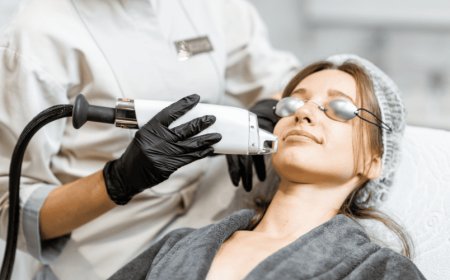
Oral cancer screening is a visual and physical examination performed by a dental or healthcare professional to look for unusual changes that may require further investigation.
During the examination, the dentist checks different areas inside and around the mouth for abnormalities, including unusual patches, sores, lumps, or changes in tissue texture.
Screening does not diagnose cancer. If an unusual area is identified, additional assessment or a referral to an appropriate specialist may be recommended. A biopsy is generally needed to determine whether a suspicious lesion is cancerous.
Why Is Oral Cancer Screening Important?
Oral cancer may develop without noticeable discomfort during its early stages. Some people only recognize a problem when symptoms become more obvious.
Regular dental visits provide an opportunity to identify changes that might otherwise go unnoticed. Early detection can help patients receive appropriate assessment and treatment sooner.
Potential benefits of screening include:
-
Identifying unusual changes in oral tissues.
-
Recognizing persistent sores or patches that need further examination.
-
Monitoring areas that appear abnormal.
-
Helping identify concerns before symptoms become more advanced.
-
Supporting informed decisions about further testing or specialist referrals.
It is important to remember that screening cannot prevent every case of oral cancer or guarantee early detection. However, professional examinations can help identify suspicious changes that deserve attention.
Common Signs and Symptoms of Oral Cancer
Knowing what to look for can help you recognize when something in your mouth needs professional attention.
Some possible warning signs include:
1. Persistent Mouth Sores
A sore that does not heal within two weeks should be examined by a dental or healthcare professional, particularly if it has no obvious cause.
2. Red or White Patches
Unusual red or white patches on the tongue, gums, cheeks, or other areas of the mouth may require further assessment.
3. Lumps or Thickened Areas
A lump, swelling, or thickened area inside the mouth or around the jaw should not be ignored, especially if it persists.
4. Difficulty Swallowing or Chewing
Ongoing difficulty swallowing, chewing, or moving the tongue may indicate an underlying issue that needs medical evaluation.
5. Persistent Pain or Numbness
Unexplained pain, tenderness, or numbness in the mouth, lips, or tongue should be assessed if it continues.
6. Changes in Voice or Jaw Movement
Persistent voice changes, jaw discomfort, or difficulty opening the mouth may also require professional attention.
These symptoms do not automatically mean cancer is present. Several other conditions can cause similar changes, which is why a professional examination is important.
Who May Have a Higher Risk of Oral Cancer?
Oral cancer can affect anyone, but certain factors are associated with an increased risk.
Common risk factors include:
-
Tobacco use: Smoking cigarettes, cigars, or using smokeless tobacco increases oral cancer risk.
-
Alcohol consumption: Frequent or heavy alcohol use is another established risk factor.
-
HPV infection: Certain types of human papillomavirus are associated with cancers of the oropharynx.
-
Age: Risk generally increases with age, although younger people can also be affected.
-
Previous oral cancer: Individuals with a history of oral cancer may require ongoing monitoring.
Having one or more risk factors does not mean someone will develop oral cancer. Likewise, people without these risk factors can still be affected.
What Happens During an Oral Cancer Screening?
An oral cancer screening is generally straightforward and does not usually require special preparation.
Visual Examination
The dentist examines the lips, gums, tongue, cheeks, roof of the mouth, and floor of the mouth for unusual patches, sores, swelling, or other changes.
Physical Examination
The dentist may gently feel areas inside the mouth and around the jaw and neck to check for unusual lumps or thickened tissues.
Discussion of Findings
If an area appears unusual, the dentist may discuss its appearance and recommend monitoring, additional testing, or referral to a specialist.
Further Assessment When Needed
A suspicious area may require further investigation. Depending on the findings, this could include a specialist consultation or biopsy.
How Often Should You Have an Oral Cancer Screening?
There is no single screening schedule that applies to everyone. Your dentist can advise whether an examination should be included in your regular dental visits based on your oral health, medical history, and risk factors.
It is also important to seek an appointment if you notice a persistent sore, unexplained lump, unusual patch, or any other concerning change. Do not wait for your next routine checkup if symptoms need attention.
Support Your Oral Health with Riverside Landing Dental
Taking care of your oral health involves more than brushing and flossing. Paying attention to unusual changes and attending regular dental examinations can help you address potential concerns.
If you are looking for Oral Cancer Screening in St. Albert, AB, contact Riverside Landing Dental to ask about an oral examination and available screening options. A dental professional can assess your concerns and recommend appropriate next steps based on your individual needs.
What's Your Reaction?
 Like
0
 Dislike
0
 Love
0
 Funny
0
 Angry
0
 Sad
0
 Wow
0