Orthodontics at Wetaskiwin Smiles: Understanding Modern Orthodontic Care
Explore orthodontics at Wetaskiwin Smiles, including braces, clear aligners, treatment consultations, oral care, and long-term smile maintenance.

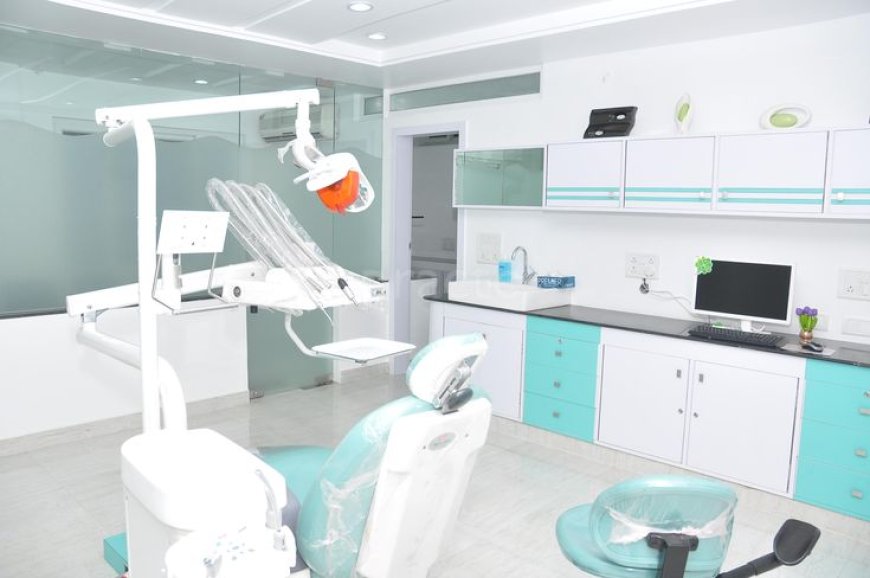
A well-aligned smile can contribute to both appearance and everyday oral function. Orthodontic care focuses on improving the alignment of teeth and, when necessary, addressing bite-related concerns. For patients considering Orthodontics at Wetaskiwin Smiles, understanding the available treatment options and what to expect can make the process easier.
What Is Orthodontics?
Orthodontics is a branch of dental care focused on correcting the position and alignment of teeth and jaws. Treatment may be recommended for concerns such as crowded teeth, gaps, crooked teeth, or certain bite problems.
Proper alignment can also make teeth easier to clean and may support better long-term oral hygiene. The appropriate treatment depends on factors such as age, dental development, the complexity of the concern, and individual treatment goals.
Common Reasons for Orthodontic Treatment
People consider orthodontic treatment for a variety of reasons. Some are primarily concerned with the appearance of their smile, while others may experience functional concerns.
Common orthodontic concerns include:
- Crowded or overlapping teeth
- Gaps between teeth
- Crooked teeth
- Overbite
- Underbite
- Crossbite
- Certain bite irregularities
- Difficulty cleaning areas between crowded teeth
A dental assessment can help determine the underlying concern and whether orthodontic treatment may be appropriate.
Orthodontic Treatment Options
Modern orthodontics offers different approaches depending on the patient's needs. Traditional braces use brackets and wires to gradually move teeth into planned positions. They can be suitable for a wide range of alignment concerns.
Clear aligners are another option for selected patients. These removable, transparent trays gradually move the teeth while offering a more discreet appearance.
The best treatment method depends on the individual's dental condition. A professional consultation can help patients understand the differences between available options.
Orthodontics for Children and Teens
Children and teenagers experience significant changes as their permanent teeth develop. Monitoring this development can help identify potential alignment or bite concerns.
Not every child requires immediate orthodontic treatment. In some cases, monitoring dental development may be appropriate, while other situations may benefit from earlier intervention.
Regular dental visits allow parents and dental professionals to keep track of changes in the teeth and discuss potential orthodontic needs when appropriate.
Orthodontics for Adults
Orthodontic treatment is not limited to children and teenagers. Adults may also seek treatment to address longstanding alignment concerns or changes that have developed over time.
Clear aligners can be particularly appealing to adults who prefer a more discreet treatment option, while traditional braces remain an option for many orthodontic cases.
Before treatment begins, adults should have their overall oral health evaluated to identify any concerns that may need attention.
What Happens During an Orthodontic Consultation?
The process usually begins with an examination of the teeth and bite. Depending on the situation, dental images or other diagnostic information may be used to evaluate alignment and jaw relationships.
During the consultation, patients can discuss:
- Their main orthodontic concerns
- Available treatment options
- Expected treatment duration
- Appointment frequency
- Daily care requirements
- Retainers after treatment
- Questions about comfort and lifestyle
Having a clear understanding of the treatment process can help patients feel more prepared before making a decision.
Maintaining Oral Hygiene During Treatment
Good oral hygiene is particularly important during orthodontic treatment. Braces can create additional areas where food particles and plaque may collect, while clear aligners require regular cleaning.
Patients should continue brushing and flossing consistently and follow any specific care instructions provided by their dental professional.
Regular dental examinations and professional cleanings can also help maintain healthy teeth and gums throughout the orthodontic process.
Choosing an Orthodontic Care Provider
When considering Orthodontics at Wetaskiwin Smiles, patients may want to evaluate the overall approach to treatment rather than focusing on a single appliance or procedure.
Important factors to consider include:
- A thorough initial assessment
- Personalized treatment planning
- Clear communication
- Available orthodontic options
- Follow-up and progress monitoring
- Guidance on oral hygiene and aftercare
Wetaskiwin Smiles provides patients with an opportunity to discuss their alignment concerns and explore suitable orthodontic options based on their individual needs.
Life After Orthodontic Treatment
Completing orthodontic treatment is an important milestone, but maintaining the results is also part of the process. Teeth can naturally move over time, which is why retainers are commonly recommended after active treatment.
Following the recommended retainer schedule and maintaining good oral hygiene can help protect the results. Regular dental appointments should also continue after orthodontic treatment is complete.
Final Thoughts
Orthodontic care can address a variety of alignment and bite concerns while supporting a healthier and more functional smile. Treatment options may include traditional braces, clear aligners, or other approaches depending on the patient's individual needs.
For anyone considering Orthodontics at Wetaskiwin Smiles, a professional consultation is a practical first step. An individualized assessment can help identify the appropriate treatment options and provide a clearer understanding of what to expect throughout the orthodontic journey.
What's Your Reaction?
 Like
0
 Dislike
0
 Love
0
 Funny
0
 Angry
0
 Sad
0
 Wow
0