



















Ozempic Injection: Frequently Asked Questions
Ozempic Injection: Frequently Asked Questions
Ozempic Injection: Frequently Asked Questions
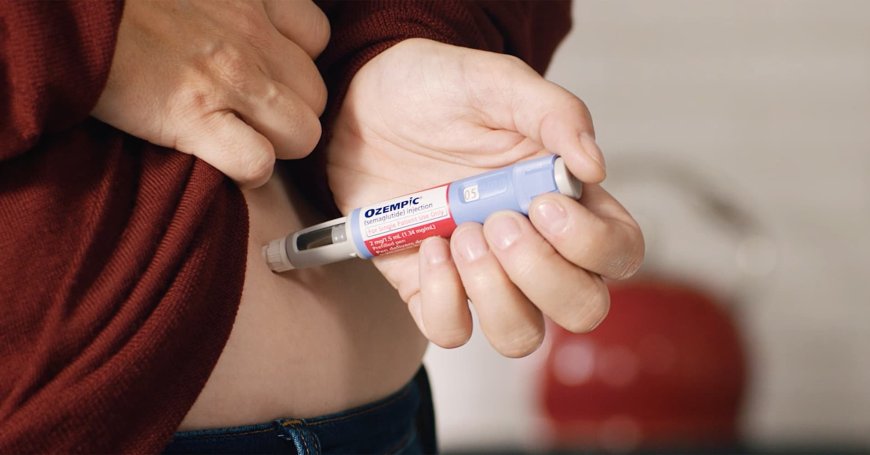
When considering or managing treatment with Ozempic (semaglutide), patients often have practical questions regarding administration, side effects, storage, and clinical expectations.
Reviewing answers to the most frequently asked questions provides clear, medically grounded guidance.
Learn more about Ozempic injection in Jeddah and understand its uses, treatment process, potential benefits, and important considerations.
1. How often do I take Ozempic, and does time of day matter?
-
The Schedule: Ozempic is administered once a week, on the exact same day each week.
-
Timing: It can be taken at any time of the day, with or without food. Many patients prefer a consistent weekly time (such as a Thursday evening or weekend) so they can rest at home if mild initial adjustment effects occur.
2. What should I do if I miss a scheduled dose?
-
Within 5 Days: If you miss a dose, take it as soon as possible if it has been 5 days or less since your scheduled injection day.
-
After 5 Days: If more than 5 days have passed, skip the missed dose entirely and resume your normal schedule on your next regular injection day. Never take two doses or increase your amount to make up for a missed injection.
3. How do I properly store my Ozempic pens?
-
Before First Use: Unused pens must be stored strictly in the refrigerator between 2°C to 8°C (36°F to 46°F). Never freeze the medication; discard any pen that has been frozen.
-
After First Use: Once you start using a pen, it can be kept at room temperature (up to 30°C / 86°F) or refrigerated for up to 6 weeks (56 days). Always keep the pen cap on to protect the solution from light.
4. What are the most common side effects during early treatment?
-
Gastrointestinal Adjustments: Because the medication slows down gastric emptying, mild temporary side effects are common, particularly during the first few weeks or after a dose increase. These include mild nausea, occasional bloating, indigestion, or temporary shifts in bowel habits.
-
Management Strategies: Eating smaller meals, staying well-hydrated, and avoiding heavy, greasy, or fried foods help keep the digestive system comfortable.
5. When should I contact a doctor immediately?
-
Severe Warning Signs: Seek immediate medical attention if you experience severe, unyielding upper abdominal pain (which can radiate to the back and indicate potential pancreatitis), symptoms of a serious allergic reaction (such as facial swelling or breathing difficulties), or notice a lump or swelling in your neck.
Conclusion
Having clear answers to logistical and clinical questions ensures you navigate your therapy with confidence and safety.
Are you looking to review any additional details or schedule a consultation with a specialist to discuss your personal treatment plan?
What's Your Reaction?
 Like
0
 Dislike
0
 Love
0
 Funny
0
 Angry
0
 Sad
0
 Wow
0