
















Pier Installation: Planning a Safe and Functional Waterfront Structure

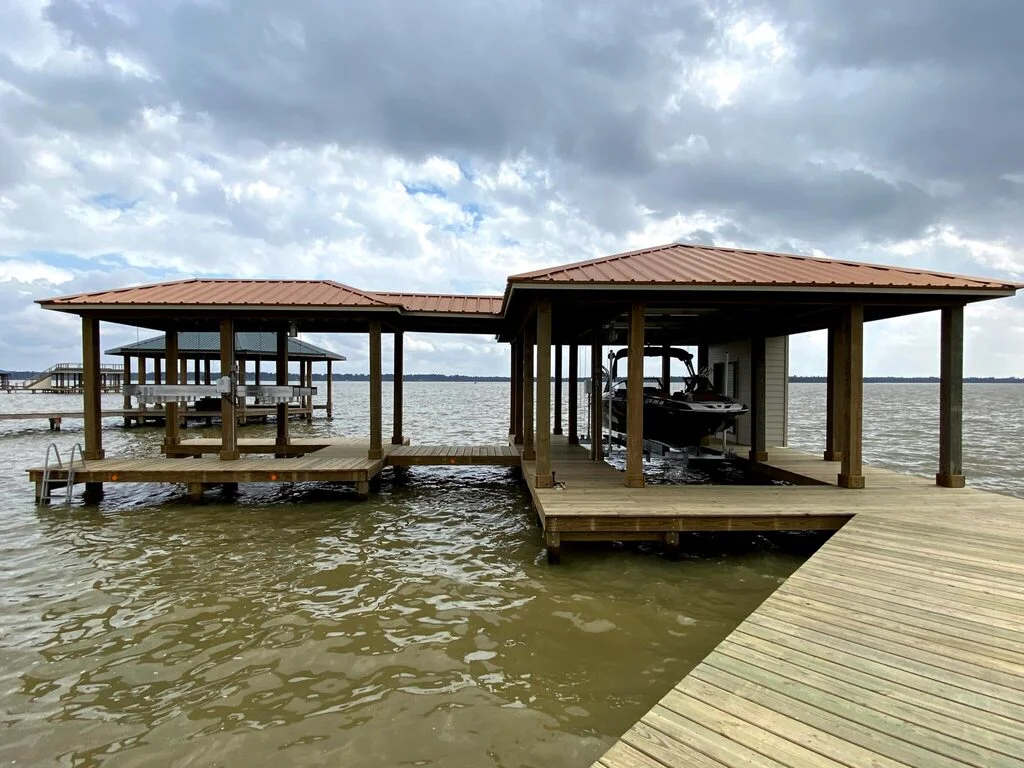
Creating a highly functional and versatile structure along waterfront areas can be both practical and satisfying. Whether it is an easily accessible and safe platform to fish from, convenient place to dock boats and access the water, and another example, professional pier installations can improve people’s daily living.
Yet, when it comes to actually building the pier, there are a number of different factors that should be taken into the account. The state of the shoreline, depth of the water, materials, required reinforcement, and other nearby structures should be evaluated. By dedicating some time to researching the most optimal solutions for this project, homeowners and landowners will be able to avoid future problems connected with pier maintenance, repair, and removal.
Determining the Intended Use of the Pier Structure
Before rushing into the pier installation, determine the primary use and purpose of the structure.
Depending on individual preferences and requirements, a relatively small pier that only accommodates fishing from will be sufficiently different from a large-scale installation intended to provide easy access to the water.
The final design and overall size would be determined by its intended purpose. Meanwhile, the exact location and orientation within the property should also be determined.
Especially in the case of Houston waterfronts and similar shorelines, it is of paramount importance to conduct a thorough evaluation of the area. The final design will be dependent on the characteristics of the shore, the depth of the water, and the volume of boat traffic in the vicinity. All of these details will influence the choice of materials, method of installation, and required reinforcements.
Hence, making the right decision on the first step is essential for successful pier installation and long-term satisfaction with the purchase.
In many cases, it is highly advisable to make a list of requirements and invite a professional installer to the site in order to devise a plan that will suit every detail. The state of the shoreline and the terrain can have a profound impact on the necessary course of action.
So, before beginning preparations, homeowners should take the time to evaluate every aspect of the area.
Evaluating the State of the Shoreline
When selecting materials for the installation of a new pier, the list of possible options is quite limited. Primarily, wood in its various forms and conditions is a viable choice due to its strength, flexibility, durability, and relative ease of installation.
Yet, each material has its strengths and weaknesses. Hence, it is critically important to choose the one that will be perfectly suited for the intended purpose, environment, and area of installation.
Wood protection and reinforcement techniques will vary from one method to another depending on the specific case. The location and orientation of the pier will be considered first as a way to identify a suitable choice of materials.
Regardless of the selected materials, all elements involved in the pier installation should undergo a close examination to ensure structural integrity and proper fit.
When considering potential strengths of the newly built structure, the connection between different parts of the pier should be reinforced. If the choice of materials is not compatible with the mechanical properties and behavior of a given element, regular stress, temperature fluctuations, humidity, and other environmental factors will cause the surface to deform in the long run.
Using Piles as a Structural Support for the Pier Installation
Due to variations in the terrain, depth, and other environmental factors, piles can be driven in the water or the soil. As a part of pile-driving construction, the contractor will install them in order to achieve maximal stability and structural integrity of the pier.
Depending on individual needs and specific demands of the pier installation, this list of items will vary. In any case, the pile-driving method is most often used to anchor the structure in the ground in order to provide the pier with additional support.
As for the details of the installation, professionals have a vast list of choices available on the market. They will make decisions based on the zone’s characteristics, required depth, and a set of other criteria. In the end, these selections should minimize the risk of future issues that may occur at the site.
What's Your Reaction?
 Like
0
 Dislike
0
 Love
0
 Funny
0
 Angry
0
 Sad
0
 Wow
0






