







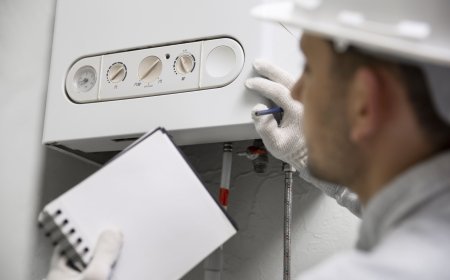







Practical Solutions for Everyday Pool Care

A swimming pool can provide a refreshing place to relax, exercise, and spend quality time with family and friends. However, keeping it clean and comfortable requires regular attention. Everyday pool care involves removing debris, maintaining balanced water, checking equipment, and preventing common problems before they become difficult to manage. With a consistent routine, pool owners can protect their investment and enjoy a pleasant swimming environment.
Pool maintenance does not always have to be complicated. Understanding the basic tasks and knowing when to seek professional assistance can make the process easier. Practical solutions help maintain water quality, support equipment performance, and reduce the effort required to keep a pool in good condition.
Keep the Pool Surface Clean
Leaves, insects, dust, and other debris can enter a swimming pool throughout the day. When this material remains in the water, it can affect the pool's appearance and create additional work for the filtration system. Removing debris regularly is one of the simplest ways to maintain a clean swimming area.
Using a pool skimmer helps collect floating leaves and other unwanted materials before they sink. This task is particularly useful when the pool is surrounded by trees or exposed to wind. Regular skimming also helps prevent debris from accumulating in corners and around steps.
Brushing the pool walls, floor, and steps is equally important. Dirt and algae can attach to surfaces, especially in areas where water circulation is limited. Brushing loosens this buildup so that the filtration system or pool vacuum can remove it more effectively.
Vacuuming the pool floor helps collect particles that settle at the bottom. Depending on the pool's condition, owners can use a manual vacuum or an appropriate automatic cleaning system.
These simple cleaning habits help keep the pool attractive and reduce the likelihood of stubborn stains or excessive debris buildup.
Maintain Balanced Pool Water
Clean-looking water does not always mean that a pool is properly maintained. Water chemistry must remain balanced to support effective sanitation, swimmer comfort, and equipment protection.
Regular water testing helps identify changes in sanitizer levels, pH, alkalinity, and other relevant measurements. These values can shift because of sunlight, rainfall, temperature changes, and swimming activity.
When water chemistry is not balanced, swimmers may experience irritation, surfaces may become stained, and equipment can suffer damage. Incorrect sanitizer levels can also reduce the pool's ability to control harmful microorganisms.
Testing the water according to the pool's maintenance needs allows owners to make informed adjustments. Chemical products should always be used according to their labels and the manufacturer's instructions. Pool chemicals should never be mixed together directly, as dangerous reactions can occur.
Professional water testing can provide additional support when the water becomes cloudy, develops an unusual odor, or remains difficult to balance.
Maintaining suitable water chemistry is a practical way to protect the pool and make swimming more comfortable.
Check the Filtration System Regularly
The filtration system removes dirt and suspended particles from pool water. When it works correctly, it helps maintain clarity and supports the effectiveness of the overall cleaning routine.
Filters can become clogged with debris over time. A dirty filter may reduce water flow, place additional strain on the pump, and make it harder to keep the water clean.
Pool owners should inspect their filtration systems regularly and follow the recommended cleaning schedule. Sand, cartridge, and diatomaceous earth filters require different maintenance procedures, so it is important to understand which system is installed.
The pump should also be checked for unusual noises, visible leaks, or changes in performance. Poor circulation can allow debris to settle in certain areas and make chemical distribution less effective.
If the system continues to show reduced flow after routine maintenance, professional inspection may be necessary. A technician can identify blockages, worn components, or other issues that require attention.
Keeping the filtration system clean and functioning properly helps reduce recurring water quality problems and supports reliable pool operation.
Prevent Algae and Surface Buildup
Algae can develop when pool conditions allow it to grow. Warm water, insufficient sanitation, poor circulation, and neglected surfaces can all contribute to algae problems.
Green, yellow, or dark patches may appear on pool walls, steps, and floors. Water may also become cloudy or develop a slippery feel. Once algae becomes established, removing it can require more time and careful treatment.
Regular brushing helps prevent algae from attaching firmly to surfaces. Maintaining balanced water chemistry and proper circulation also reduces the conditions that encourage growth.
Pool owners should pay special attention to corners, ladders, steps, and other areas where water movement may be weaker. These spaces can collect dirt and become difficult to clean without consistent attention.
If algae spreads throughout the pool or returns repeatedly after treatment, a professional should inspect the water chemistry and filtration system. Treating only the visible growth without addressing the underlying cause may lead to recurring problems.
Preventive care is generally easier than dealing with extensive algae buildup after it develops.
Keep Pool Equipment in Good Condition
Pool pumps, filters, heaters, skimmers, and cleaning systems work together to maintain water quality. Everyday observation can help identify equipment problems before they interfere with normal operation.
Look for visible leaks, damaged fittings, unusual vibrations, or changes in water circulation. Equipment that makes unfamiliar noises or frequently stops working should be inspected rather than ignored.
It is also important to maintain the correct water level. When the water falls too low, the pump may draw in air and become damaged. Excessively high water levels can affect skimming performance and reduce the removal of floating debris.
Pool owners should keep equipment areas clear of unnecessary clutter and follow the manufacturer's maintenance recommendations. Electrical components and internal equipment repairs should be handled by qualified professionals when required.
Routine inspections help maintain reliable operation and may reduce the risk of unexpected breakdowns. They also make it easier to plan repairs before a small issue affects other parts of the system.
Establish a Simple Daily and Weekly Routine
A practical pool care schedule makes maintenance easier to manage. Rather than waiting until the water looks dirty, owners can complete small tasks regularly to prevent buildup.
Everyday observation can include checking water clarity, removing floating debris, and looking for unusual changes in circulation. These simple habits help identify concerns early.
More detailed maintenance can include brushing surfaces, vacuuming the floor, testing water chemistry, and inspecting the filtration system. The frequency of each task depends on pool usage, weather, surrounding vegetation, and equipment requirements.
After heavy swimming activity or storms, additional cleaning and water testing may be necessary. Organic debris and changes in water conditions can place extra demands on the pool's filtration and sanitation systems.
Keeping a record of maintenance activities can also be helpful. It allows owners to track recurring problems, remember servicing requirements, and communicate more clearly with a pool technician.
A consistent routine reduces guesswork and makes it easier to maintain a clean and inviting swimming area.
Know When to Hire a Professional
Some pool maintenance tasks are simple enough to handle independently, but other problems require professional knowledge and equipment. Persistent cloudy water, recurring algae, chemical imbalances, pump problems, and unexplained water loss may indicate issues that need closer inspection.
A professional technician can evaluate the condition of the water, inspect equipment, and recommend appropriate solutions. This support can be especially useful when routine cleaning no longer produces the expected results.
When considering a Pool Cleaning Service Coral Springs, pool owners should look for a provider that offers thorough cleaning, water testing, chemical balancing, filtration maintenance, and equipment inspections.
A suitable service should also explain the condition of the pool and provide clear recommendations for ongoing care. Maintenance plans should reflect the pool's actual needs rather than relying on the same approach for every property.
Professional assistance can help prevent recurring problems and reduce the time spent managing demanding maintenance tasks.
Enjoy a Cleaner Pool With Practical Care
Everyday pool care becomes easier when cleaning, water testing, and equipment inspections are part of a consistent routine. Removing debris, maintaining balanced water, and keeping the filtration system in good condition all contribute to a better swimming experience.
Preventive maintenance also helps protect pool surfaces and equipment from unnecessary wear. By addressing small concerns early, owners can reduce the likelihood of more difficult cleaning tasks and unexpected repairs.
Professional assistance provides additional support when problems require specialized attention. Combining regular personal care with expert maintenance helps keep the pool in better condition throughout the swimming season.
With practical habits and the right maintenance approach, pool owners can spend less time dealing with water quality problems and more time enjoying their swimming space. A clean, well-maintained pool offers greater comfort, supports reliable performance, and remains a welcoming place to relax and unwind.
What's Your Reaction?
 Like
0
 Dislike
0
 Love
0
 Funny
0
 Angry
0
 Sad
0
 Wow
0





