














PRP Hair Treatment in Riyadh Compared with Other Non-Surgical Treatments
PRP Hair Treatment in Riyadh Compared with Other Non-Surgical Treatments

PRP Hair Treatment in Riyadh Compared with Other Non-Surgical Treatments
When individuals notice early hair thinning, widening part lines, or increased shedding, exploring options can feel overwhelming. While surgical hair restoration like Follicular Unit Extraction (FUE) remains a prominent option for advanced baldness, many patients prefer to explore non-surgical interventions first. Among these, Platelet-Rich Plasma (PRP) therapy has emerged as a premier regenerative treatment in Riyadh clinics. PRP hair treatment in Riyadh is a popular non-surgical option designed to support natural hair growth, improve hair density, and help reduce the appearance of hair thinning.
However, PRP is not the only non-surgical avenue available. Comparing PRP hair treatment in Riyadh with other non-surgical modalities helps clarify how each option functions, what results to expect, and which approach aligns best with your individual hair restoration goals.
1. Platelet-Rich Plasma (PRP) Therapy: The Regenerative Standard
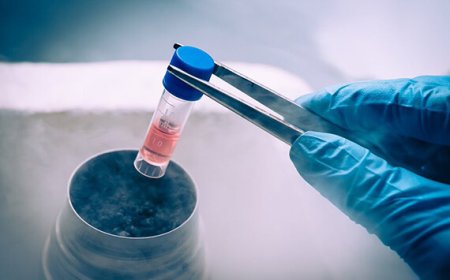
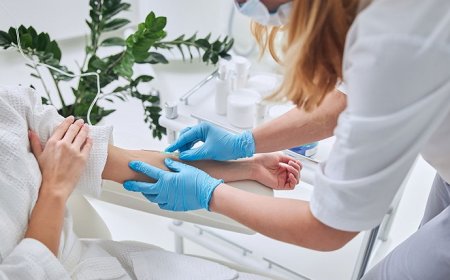
Platelet-Rich Plasma therapy is an autologous treatment, meaning it utilizes components extracted directly from your own blood. During a session in Riyadh, a small blood draw is processed in a medical centrifuge to separate red blood cells from plasma and platelets. The resulting serum—concentrated with vital growth factors, cytokines, and healing proteins—is micro-injected into the dermal layer of the scalp.
-
Primary Mechanism: Biologically stimulates micro-circulation, prolongs the anagen (growth) phase, and awakens miniaturized or dormant hair follicles.
-
Key Advantage: Completely biocompatible with zero risk of allergic reactions, targeting the root cellular cause of hair loss naturally.
-
Treatment Schedule: Typically structured as an initial loading phase of 3 to 4 sessions spaced one month apart, followed by annual maintenance.
2. PRP Compared with Topical Medications (Minoxidil)
Topical treatments, most notably over-the-counter minoxidil solutions or foams, are often the first line of defense recommended for pattern hair loss.
-
How Minoxidil Works: It acts as a vasodilator, widening blood vessels in the scalp to improve nutrient and oxygen delivery to hair roots, while pushing resting follicles into the growth phase.
-
Comparison with PRP:
-
Application: Minoxidil requires strict, lifelong daily topical application, which can sometimes cause localized scalp irritation or dryness—particularly in Riyadh's dry climate. In contrast, PRP is performed clinically every few months by a specialist, eliminating daily maintenance routines.
-
Mechanism: While minoxidil supports blood flow chemically, PRP delivers an intensive, direct concentration of autologous growth factors that actively repair and regenerate tissue at a deeper cellular level. Many Riyadh specialists successfully combine both modalities for synergistic results.
-
3. PRP Compared with Oral Medications (Finasteride and Nutritional Supplements)
Oral interventions target systemic factors contributing to hair loss, such as hormonal imbalances or nutritional deficiencies.
-
How Oral Treatments Work: Prescription medications like 5-alpha-reductase inhibitors block the conversion of testosterone into dihydrotestosterone (DHT), the hormone responsible for miniaturizing hair follicles in genetic hair loss. Specialized nutritional supplements correct systemic vitamin or mineral deficits.
-
Comparison with PRP:
-
Target Audience: Oral DHT blockers are primarily prescribed for male pattern baldness and carry specific systemic side effects that require medical supervision. PRP is suitable for both men and women and works locally on the scalp tissue without systemic chemical interactions.
-
Regenerative Power: While oral medications primarily prevent further loss or stabilize shedding, PRP actively regenerates and revitalizes existing follicles to produce thicker hair strands.
-
4. PRP Compared with Low-Level Laser Therapy (LLLT)
Low-Level Laser Therapy utilizes medical-grade lasers or light-emitting diodes (LEDs), delivered via professional clinic panels, laser caps, or helmets, to stimulate cellular activity in the scalp.
-
How LLLT Works: Photobiomodulation exposes scalp cells to specific wavelengths of light energy, increasing cellular metabolism, ATP production, and blood flow.
-
Comparison with PRP:
-
Delivery Method: LLLT is a passive, non-invasive treatment that requires regular sessions using specialized at-home devices or clinical laser hoods. PRP is an active, clinical procedure administered directly via micro-injections.
-
Depth and Potency: Laser therapy provides light-based energy stimulation across the scalp surface, whereas PRP introduces high concentrations of growth factors directly to the dermal papilla of the hair roots, often yielding more visible density improvements in shorter timeframes.
-
5. PRP Compared with Advanced Biological Combinations (Acell or PRF)
As regenerative medicine evolves, clinics in Riyadh also offer advanced variations that build upon traditional PRP concepts, such as Platelet-Rich Fibrin (PRF) or combinations involving extracellular matrices.
-
How They Work: PRF uses a slower centrifugation spin without anticoagulants, creating a fibrin matrix that releases growth factors more gradually over time. Combining PRP with biological scaffolds like Acell enhances the retention and impact of growth factors at the follicular site.
-
Comparison with Standard PRP: These advanced treatments share the same autologous safety profile as standard PRP but may offer prolonged growth factor release or enhanced tissue scaffolding. Your dermatologist in Riyadh can determine if standard PRP or an enhanced biological derivative best suits your specific degree of hair thinning.
Conclusion
Choosing the right non-surgical intervention depends entirely on your specific pattern of hair loss, lifestyle preferences, and biological response. While topical solutions, oral medications, and laser therapy offer valuable, daily or routine support, Platelet-Rich Plasma therapy stands out for its powerful, targeted, and natural regenerative capability. By harnessing your body's own growth factors, PRP directly revitalizes dormant follicles with minimal procedural downtime. Consulting a board-certified specialist in Riyadh allows you to evaluate these non-surgical options side by side, ensuring a customized treatment plan designed to restore your hair density and confidence effectively.
What's Your Reaction?
 Like
0
Like
0
 Dislike
0
Dislike
0
 Love
0
Love
0
 Funny
0
Funny
0
 Angry
0
Angry
0
 Sad
0
Sad
0
 Wow
0
Wow
0