















Psychological Causes of Erectile Dysfunction
Psychological Causes of Erectile Dysfunction

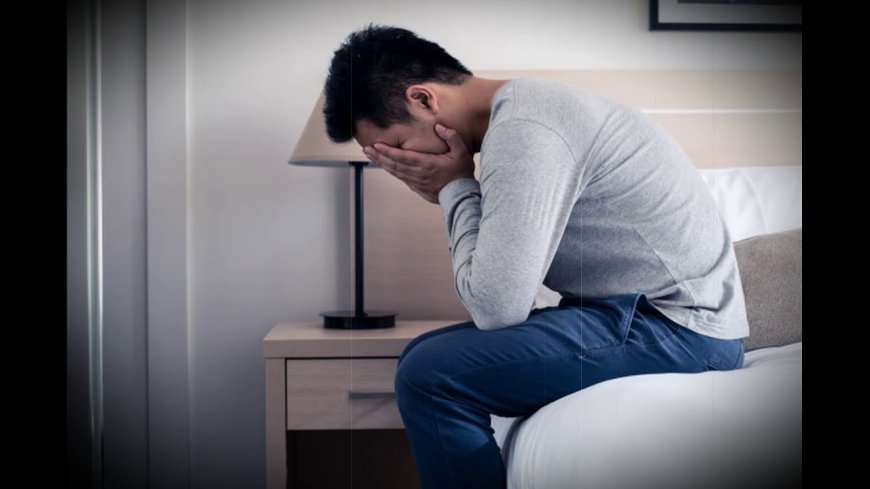
Psychological Causes of Erectile Dysfunction: Unraveling the Mind-Body Connection
While erectile dysfunction (ED) is often discussed as a physical condition stemming from circulation or hormonal issues, psychological factors play a equally critical role in male sexual health. The brain acts as the primary control center for sexual function, initiating the cascade of neural and hormonal signals that trigger an erection. When mental health, emotional stress, or interpersonal conflicts disrupt these brain signals, achieving or maintaining an erection can become difficult—regardless of physical health.
Erectile Dysfunction Treatment in Jeddah is designed to address the underlying causes of erectile difficulties and support improved sexual health.
Understanding the psychological causes of erectile dysfunction helps break the stigma surrounding the condition and paves the way for effective, targeted mind-body therapies.
1. How the Brain Regulates Erectile Function
Achieving an erection requires a seamless transition from psychological stimulation to physical execution.
-
Central Arousal: Sexual desire begins in the brain (specifically the cerebral cortex and limbic system) in response to visual, sensory, emotional, or imaginative triggers.
-
Neural Transmission: The brain sends nerve signals down the spinal cord to the autonomic nervous system in the pelvic region.
-
Vascular Relaxation: These nerves release chemical messengers, primarily nitric oxide, causing the smooth muscles in the penile blood vessels to relax and allow blood inflow.
When a man experiences psychological distress, the brain prioritizes survival or threat management over reproduction. High levels of mental stress stimulate the sympathetic nervous system (the "fight-or-flight" response), triggering the release of stress hormones like adrenaline and cortisol. These hormones constrict blood vessels and divert blood away from the reproductive organs, directly overriding natural arousal signals.
2. Key Psychological Causes of Erectile Dysfunction
Psychological ED can stem from temporary emotional triggers, chronic mental health disorders, or deeply ingrained behavioral patterns.
Performance Anxiety
Performance anxiety is the single most common psychological cause of ED. It occurs when a man worries excessively about his ability to achieve an erection, satisfy his partner, or maintain sexual stamina.
-
The Anxiety Loop: Anticipating failure creates a spike in adrenaline right when physical intimacy begins. This sudden vascular constriction physically prevents an erection, confirming the original fear and compounding anxiety for future encounters.
-
Spectatoring: Men experiencing performance anxiety often detach emotionally during intimacy to observe and critique their own physical response. This self-monitoring distracts the brain from sensory enjoyment, preventing arousal.
Stress and Burnout
Chronic stress from professional obligations, financial strain, family conflicts, or major life transitions keeps the body in a constant state of sympathetic nervous system activation. Over time, elevated cortisol levels deplete energy, suppress natural testosterone production, and dampen libido.
Depression and Mood Disorders
Depression alters neurochemical balances in the brain, particularly neurotransmitters like dopamine and serotonin, which regulate pleasure, motivation, and arousal. Men with depression frequently experience a significant drop in sex drive (hypoactive sexual desire disorder) and difficulty maintaining erections. Additionally, many antidepressant medications can independently contribute to sexual side effects.
Relationship Dynamics and Interpersonal Conflict
Sexual intimacy relies heavily on emotional connection, trust, and mutual comfort. Interpersonal issues that contribute to psychogenic ED include:
-
Unresolved anger, resentment, or frequent conflict with a partner.
-
Lack of emotional intimacy or poor communication regarding sexual needs.
-
Mismatched sexual desire or pressure to perform within the relationship.
-
Fear of intimacy, commitment, or rejection.
Guilt, Trauma, and Conditioning
Past traumatic experiences, religious or cultural guilt surrounding sex, low self-esteem, or body image insecurities can create deep-seated psychological barriers. Negative subconscious associations with sexual activity can trigger immediate emotional resistance, manifesting physically as an inability to sustain an erection.
3. Psychogenic ED vs. Physical (Organic) ED
Distinguishing whether erectile dysfunction is primarily psychological or physical is a critical step in choosing the right therapeutic path.
| Feature | Psychogenic (Psychological) ED | Organic (Physical) ED |
| Onset | Sudden, often tied to a specific event or stressor. | Gradual, worsening over months or years. |
| Morning / Nocturnal Erections | Present and firm during sleep or upon waking. | Absent or significantly weakened. |
| Consistency | Situational (e.g., occurs with a partner, but not during masturbation). | Constant across all situations and contexts. |
| Sexual Desire (Libido) | Variable; often intact, though suppressed by anxiety. | Often decreases over time alongside physical decline. |
| Associated Factors | High stress, performance fear, depression, relationship strain. | High blood pressure, diabetes, heart disease, smoking, aging. |
4. Psychological and Behavioral Therapies
Because psychogenic ED is rooted in neural and emotional responses rather than permanent vascular or structural damage, it is highly treatable through psychological interventions.
Cognitive Behavioral Therapy (CBT)
CBT is a goal-oriented therapy that helps individuals identify and reframe negative thought patterns surrounding sexual performance. By replacing catastrophic thinking ("I will fail again") with realistic, reassuring thoughts, CBT reduces adrenaline release and helps restore normal arousal pathways.
Sex Therapy and Sensate Focus Exercises
Sex therapy provides a supportive environment for individuals or couples to address sexual concerns without judgment.
-
Sensate Focus: Developed by Masters and Johnson, this behavioral technique involves a structured series of non-demanding touch exercises. Couples gradually reintroduce physical touch without the immediate expectation of erection or intercourse. Removing performance expectations eliminates anxiety and allows natural sexual responsiveness to return.
Mindfulness and Stress Reduction
Practicing mindfulness, deep breathing exercises, and meditation helps train the brain to remain present during intimacy. By anchoring attention on physical sensations rather than anxious thoughts, men can quiet the fight-or-flight response and activate the parasympathetic pathways needed for erectile function.
Couples Counseling
When ED is linked to relationship strain, couples therapy fosters open communication, resolves underlying conflicts, and rebuilds emotional trust, creating a supportive environment for intimacy.
Conclusion
Psychological factors behind erectile dysfunction demonstrate the powerful, direct connection between mental state and physical health. Whether driven by performance anxiety, chronic stress, depression, or relationship dynamics, psychogenic ED is a real, physiological reaction to emotional distress.
Recognizing that psychological ED is common, temporary, and highly reversible empowers men and couples to seek targeted psychological therapies, open communication, and stress-management techniques that restore both sexual confidence and overall well-being.
What's Your Reaction?
 Like
0
 Dislike
0
 Love
0
 Funny
0
 Angry
0
 Sad
0
 Wow
0