Polyfabs : PVC Leather Manufacturer for Automotive and Transport Applications
PVC Leather Manufacturer for Automotive and Transport Applications
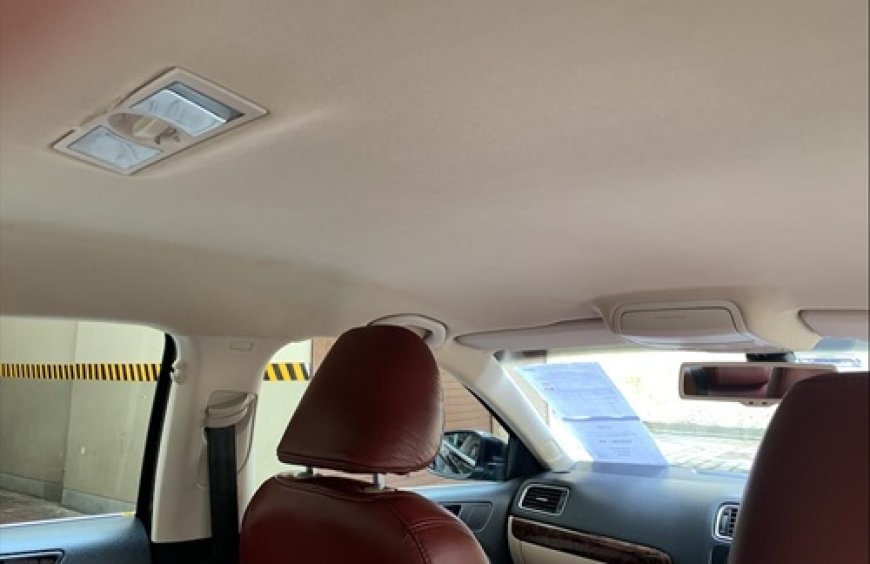
Choosing the right material for vehicle seating, railway interiors, commercial furniture, and other demanding applications involves more than selecting a surface that looks like leather. Industrial buyers need to consider construction, thickness, backing fabric, abrasion resistance, appearance, environmental exposure, and application-specific requirements. This is where the capabilities of a reliable PVC leather manufacturer become important.
PVC leather, commonly referred to as PVC artificial leather, is a coated material designed to provide a consistent surface appearance along with functional characteristics suited to different industrial applications. Its versatility has made it relevant across automotive interiors, buses, railways, marine seating, two-wheelers, cinema seating, and other commercial applications.
PolyFabs, the brand of Premier Polyfilms Limited, manufactures PVC-based materials for these applications in India. With manufacturing processes that include coating, calendering, printing, lamination, embossing, fabric manufacturing, and in-house testing, the company supports buyers looking for application-specific artificial leather and PVC material solutions.
Understanding PVC Leather Manufacturing
PVC leather is generally constructed by combining a PVC surface layer with a suitable textile backing. The PVC layer provides the visible surface and can be developed with different textures, finishes, colors, and functional characteristics. The backing fabric contributes to the construction and handling properties of the finished material.
For an industrial artificial leather manufacturer, controlling these different layers is important because the requirements of a bus seat are not necessarily the same as those of an automotive interior, railway coach, marine seat, or theater chair.
PolyFabs offers backing options such as polyester, nylon, cotton, woven, and knitted fabrics depending on the product specification. Thickness, width, weight, surface characteristics, and other requirements can also vary according to the intended application.
This application-oriented approach allows procurement teams to evaluate PVC leather based on actual operating conditions instead of treating artificial leather as a single standard material.
Where PVC Artificial Leather Is Used
One of the reasons manufacturers and OEM buyers consider PVC leather is its adaptability across multiple sectors. The material can be developed for seating and interior applications where a consistent appearance and practical performance are required.
In automotive applications, PVC artificial leather is used for interior and seating requirements. PolyFabs offers automotive ranges including AMRI, GERMAN, ASTER, LEXUS, and NUBUK. The listed thickness options are 0.70 mm, 0.80 mm, 0.85 mm, and 1.00 mm, with 100% PVC coating.
Transport applications have their own requirements. PolyFabs manufactures materials for buses, state transport applications, commercial vehicles, and railways. Transport-grade products are available in 0.75 mm, 0.95 mm, and 1.10 mm thicknesses, with a standard width of 1370 mm and availability up to 1500 mm.
For buyers researching PVC artificial leather for railways, factors such as abrasion resistance, color fastness, fire retardancy, weather resistance, and ease of maintenance can be important during material selection. PolyFabs lists these characteristics among the features of its transport-oriented materials, along with anti-bacterial, anti-fungal, heavy-metal-free, and anti-stain properties.
Why Construction Matters for Railway Interiors
Railway interiors experience repeated passenger use, frequent contact, cleaning requirements, and continuous movement. Seating materials therefore need to be selected with attention to their construction and intended application.
A PVC artificial leather supplier serving the railway sector needs to understand that material selection involves more than color and surface appearance. Thickness, backing fabric, width, finish, and application requirements all contribute to the suitability of the material.
PolyFabs provides transport materials with polyester, nylon, cotton, woven, and knitted backing options depending on specification. This gives buyers the opportunity to discuss the construction according to their particular application rather than relying on a single material configuration.
For procurement teams, it is also useful to confirm the required specifications, testing requirements, surface finish, color, dimensions, and applicable project standards before finalizing a material.
Specifications and Customization in PVC Leather
Industrial PVC leather is rarely purchased only by its visual appearance. Buyers typically need a defined specification that matches their production process and final application.
Thickness is one important consideration. Automotive materials from PolyFabs are available in thicknesses ranging from 0.70 mm to 1.00 mm across the listed ranges, while transport applications include 0.75 mm, 0.95 mm, and 1.10 mm options. Two-wheeler seating materials are available in 1.00 mm, 1.20 mm, 1.50 mm, and 1.70 mm thicknesses.
Width is another practical factor. PolyFabs lists 1370 mm as a standard width for several applications, with widths up to 1500 mm available depending on the product. Weight and backing construction can also be selected according to application specifications.
For OEM programs, these details should be discussed before production so that the material construction aligns with cutting, stitching, lamination, upholstery, and installation requirements.
Manufacturing Processes Behind PVC Leather
A capable PVC leather manufacturer needs more than PVC raw material knowledge. Manufacturing consistency depends on controlling several processes involved in creating the finished material.
PolyFabs has capabilities covering coating, calendering, printing, lamination, embossing, and fabric manufacturing. These processes can influence the appearance, surface structure, construction, and final application characteristics of PVC-based products.
Coating forms an important part of artificial leather production because the PVC layer needs to be applied consistently over the selected backing. Calendering is also widely used in PVC manufacturing for developing sheets and films with controlled thickness. Printing and embossing can contribute to decorative or textured surfaces, while lamination can combine material layers where required.
In-house testing is another part of the company's manufacturing setup. For industrial buyers, internal quality processes can help manufacturers monitor materials before they move into customer applications.
Selecting a PVC Artificial Leather Supplier
Supplier selection can have a direct impact on material consistency and production planning. Buyers should evaluate more than product photographs or sample appearance when comparing an PVC artificial leather supplier.
The first consideration is application experience. A supplier familiar with automotive, transport, railway, marine, or commercial seating requirements can better understand the practical differences between these markets.
The second is manufacturing capability. Buyers may want to understand whether coating, calendering, embossing, printing, lamination, fabric manufacturing, and testing are handled within the manufacturer's production setup.
The third is specification flexibility. Thickness, width, backing fabric, surface finish, color, and other parameters should be discussed according to the intended application.
Finally, buyers should verify the documentation, quality requirements, testing expectations, and production specifications relevant to their project before placing an order.
Supporting OEM Requirements
OEM manufacturers often require materials that can be integrated into an established production process. A PVC artificial leather OEM supplier therefore needs to provide more than a standard catalog product.
OEM requirements can involve consistent dimensions, defined thickness, selected backing fabrics, surface finish, color, and application-specific characteristics. For larger or recurring programs, communication between the material manufacturer and the OEM is particularly important because material specifications can influence cutting, sewing, upholstery, and assembly processes.
PolyFabs works across automotive and transport-related applications and offers multiple product constructions for different uses. Its manufacturing capabilities allow buyers to discuss material requirements based on their application rather than selecting from a single universal specification.
PVC Leather Manufacturing in India
India has a broad manufacturing ecosystem serving automotive, transportation, industrial, and commercial markets. For international buyers, working with a PVC artificial leather exporter India can provide access to locally manufactured materials while allowing procurement teams to evaluate specifications directly with the manufacturer.
Premier Polyfilms Limited has been producing PVC products since 1992 and operates manufacturing facilities in Uttar Pradesh. The company states that it has more than 30 years of experience and has served more than 5,000 clients. Its product portfolio extends beyond artificial leather into PVC films, printed sheeting, flooring, self-adhesive films, geomembranes, swimming pool liners, roofing sheets, and related PVC products.
For export-oriented procurement, buyers should still confirm the exact product specification, applicable documentation, packaging, shipment requirements, and destination-market requirements for each project.
Why PolyFabs Is Relevant to Industrial Buyers
PolyFabs brings together artificial leather manufacturing and broader PVC processing capabilities under Premier Polyfilms Limited. The company manufactures materials for automotive, transport, railway, marine, two-wheeler, cinema, and commercial seating applications.
Its product-specific ranges allow buyers to evaluate materials according to their intended use. Automotive artificial leather, for example, is available in several ranges and thicknesses, while transport materials have separate specifications suited to bus and railway applications.
The company's manufacturing setup includes coating, calendering, printing, lamination, embossing, fabric manufacturing, and in-house testing. This combination is relevant for buyers who want to work directly with a manufacturer rather than source unrelated stages of material production from multiple suppliers.
For procurement teams, the most useful starting point is to provide the application, required thickness, width, backing fabric, surface finish, color, quantity, and any specific performance or compliance requirements. This gives the manufacturer enough information to recommend an appropriate construction.
Making the Right PVC Leather Selection
The right PVC leather depends on where and how the material will be used. Automotive seating, railway interiors, buses, marine seating, two-wheelers, and commercial furniture can all require different combinations of thickness, backing, surface finish, and performance characteristics.
Instead of selecting artificial leather solely on appearance or price, industrial buyers should compare construction, specifications, manufacturing capability, quality processes, customization options, and supplier experience.
For companies evaluating a PVC leather manufacturer in India, PolyFabs provides an established manufacturing platform for PVC artificial leather and other PVC products. Its application-focused product ranges and in-house manufacturing processes make it relevant to OEMs, procurement teams, manufacturers, distributors, and industrial buyers seeking PVC material solutions.
Frequently Asked Questions
What is PVC leather?
PVC leather is an artificial leather material generally made using a PVC surface layer combined with a textile backing. It can be produced in different thicknesses, textures, colors, widths, and constructions for applications such as seating and interiors.
What should buyers check when selecting a PVC leather manufacturer?
Buyers should consider manufacturing capabilities, product specifications, backing options, available widths and thicknesses, quality processes, customization possibilities, application experience, and the supplier's ability to meet project requirements consistently.
Is PVC artificial leather suitable for railway applications?
PVC artificial leather can be manufactured for railway seating and interior applications. The appropriate material should be selected according to the required thickness, backing, surface properties, fire-related requirements, durability expectations, and project specifications.
Does PolyFabs manufacture PVC artificial leather for automotive applications?
Yes. PolyFabs offers automotive artificial leather ranges including AMRI, GERMAN, ASTER, LEXUS, and NUBUK, with multiple thickness options and backing materials depending on specification.
Can PVC artificial leather be supplied for OEM requirements?
Yes. OEM buyers can discuss application-specific requirements such as thickness, width, backing fabric, surface finish, color, weight, and other material specifications with the manufacturer.
What other products does PolyFabs manufacture?
Along with artificial leather, PolyFabs offers PVC films and printed sheeting, PVC flooring, self-adhesive films, PVC geomembranes, swimming pool liners, roofing sheets, and related PVC products.
Conclusion
A reliable PVC leather manufacturer plays an important role in supplying materials that match the technical and practical requirements of different industries. From automotive seating and bus interiors to railway coaches, marine applications, two-wheelers, and commercial seating, PVC artificial leather can be developed in different constructions according to the intended use.
PolyFabs, the brand of Premier Polyfilms Limited, combines PVC manufacturing experience with coating, calendering, printing, lamination, embossing, fabric manufacturing, and in-house testing capabilities. For OEMs, manufacturers, procurement teams, and distributors evaluating PVC artificial leather from India, discussing the complete application and specification with the manufacturer is a practical first step toward selecting the appropriate material.
What's Your Reaction?
 Like
0
 Dislike
0
 Love
0
 Funny
0
 Angry
0
 Sad
0
 Wow
0