





















Residential Movers for a Smoother and More Organized Move

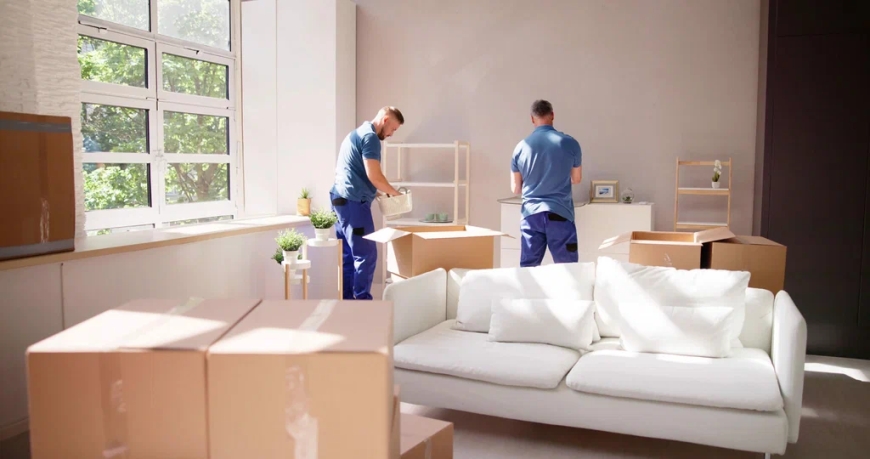
Relocating a household involves many details, from preparing furniture and packing personal belongings to arranging transportation and settling into the new property. Residential Movers can assist with the physical side of the relocation while homeowners focus on organizing their belongings and preparing both properties. Start by creating a simple timeline that includes sorting, packing, furniture preparation, loading, transportation, and unloading. Giving each stage enough attention can make moving day easier to manage and reduce the confusion that often occurs when an entire household needs to be relocated at once.
Clear Out Items You No Longer Need
A move is a practical opportunity to review everything currently stored in the home. Clothing, books, kitchenware, decorations, appliances, furniture, and other possessions may include items that are no longer useful. Residential Movers can work with a more manageable load when unnecessary belongings have already been separated. Consider donating, selling, recycling, or disposing of items before packing begins. Reducing the amount being transported can free up space and make unpacking less demanding. It also gives you an opportunity to begin life in the new property with belongings that are more relevant to your current needs.
Build an Organized Packing Routine
Packing becomes easier when belongings are grouped logically instead of being placed into boxes without a system. Work through one room or category at a time and use suitable containers for different types of possessions. Residential Movers in South Hill can handle boxes more efficiently when each container has a clear destination. Label boxes with the room name and a short description of the contents. Fragile items should receive appropriate cushioning, while heavy belongings should be placed in containers that can be carried safely. A consistent packing routine can make both transportation and unpacking much more manageable.
Prepare Large Furniture for Transportation
Furniture often requires additional preparation because large pieces can be difficult to carry through doors, stairways, and narrow hallways. Beds, tables, sofas, wardrobes, cabinets, and shelving may need partial disassembly before moving day. Residential Movers can handle larger items more easily when removable parts have been prepared in advance. Keep screws, bolts, and other hardware in labeled bags and store them with the corresponding furniture. Protecting corners and finished surfaces can also reduce the risk of scratches during handling. Measuring oversized pieces beforehand can help identify access problems before transportation begins.
Protect Valuable and Fragile Belongings
Household possessions vary greatly in size, weight, and sensitivity. Glassware, mirrors, electronics, artwork, dishes, decorations, and other delicate items need suitable protection during the move. Residential Movers can handle fragile boxes more carefully when they are properly packed and clearly identified. Use cushioning materials to limit movement inside containers and avoid placing heavy objects over delicate belongings. Valuable personal items and important documents should remain easy to access and may be better kept separately. Careful preparation helps reduce avoidable damage during loading, transportation, and unloading.
Make Access Areas Easy to Navigate
Moving large household items requires clear pathways between rooms, entrances, stairs, elevators, and the moving vehicle. Remove small objects, loose rugs, decorations, and other obstacles before loading starts. Residential Movers can work more smoothly when the route through the property is open and easy to navigate. If the new home has narrow doorways or restricted access points, these should be considered before moving larger furniture. Protecting floors and vulnerable surfaces may also be appropriate in high-traffic areas. Preparing access routes can save time and reduce unnecessary handling during the relocation.
Keep an Essentials Bag Separate
Some belongings will be needed immediately after reaching the new home. Basic clothing, toiletries, chargers, medications, documents, food, cleaning supplies, and personal electronics should remain accessible instead of being buried among the moving boxes. Residential Movers can transport the main household load while you keep these essential items separately. Having an essentials bag or box available can make the first night much easier. It also prevents the need to open multiple containers just to locate a few everyday necessities. Preparing this collection before moving day can provide greater convenience during the transition.
Arrange Loading With the Destination in Mind
The order in which furniture and boxes are loaded can influence how easily everything can be unloaded later. Larger pieces need secure positioning, while lighter and fragile boxes require suitable placement. Residential Movers can organize the moving vehicle more effectively when household belongings are already sorted and labeled. Consider which rooms should be set up first at the new property and arrange the load accordingly where practical. Keeping labels visible can also make it easier to identify boxes during unloading. A thoughtful loading plan creates a smoother connection between transportation and the final setup.
Prepare the New Home Before Arrival
Whenever possible, make the new property ready before the moving vehicle arrives. Clear the main pathways, check access points, and decide where major furniture should be placed. Residential Movers can unload more efficiently when there is a clear destination for large items and labeled boxes. Measuring available spaces in advance can also prevent problems with oversized furniture. If possible, prepare essential areas such as the bedroom and bathroom first. Having a basic setup plan allows the household to become functional sooner, even while other rooms are still being unpacked.
Settle Into Your New Home Step by Step
Once the belongings arrive, there is no need to unpack the entire household at once. Ask Residential Movers to place boxes in their appropriate rooms, then focus on the areas that are most important for daily use. Set up essential furniture and open boxes according to priority. Working through one room at a time can keep clutter under control and make progress easier to see. With organized packing, thoughtful preparation, and a practical unloading plan, a residential relocation can become easier to manage and allow the household to settle into the new property more comfortably.
What's Your Reaction?
 Like
0
 Dislike
0
 Love
0
 Funny
0
 Angry
0
 Sad
0
 Wow
0





